


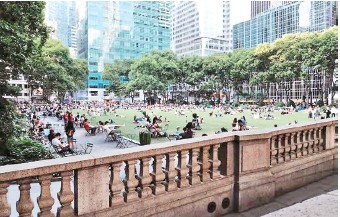
Public spaces—parks, streets, markets, libraries, and community squares—are often taken for granted. Yet, they play a critical role in shaping how societies function and how people relate to one another. In an age marked by increasing isolation, privatization, and digital interaction, public spaces are becoming more important than ever.
At their simplest level, public spaces provide areas where people can exist without obligation. Unlike shopping malls or private venues, they do not require spending money to participate. This accessibility makes public spaces deeply democratic. People of different ages, incomes, and backgrounds share the same environment, reinforcing the idea of collective belonging.
Urban parks offer a clear example of this value. They provide physical and mental relief from dense, crowded living conditions. Access to green spaces has been linked to improved mental health, reduced stress, and better physical well-being. Children benefit from unstructured play, while older residents find places for walking, social interaction, and rest.
Public spaces also encourage social cohesion. Casual encounters—short conversations, shared activities, and everyday observations—build familiarity among residents. These small interactions create trust over time, strengthening communities and reducing feelings of alienation. In neighborhoods with active public spaces, people are more likely to look out for one another.
Civic engagement is another important outcome. Historically, public squares have served as venues for discussion, debate, and collective expression. While political activity today often shifts online, physical spaces still provide visibility, accountability, and shared experience. Peaceful gatherings and cultural events help communities express identity and address concerns collectively.
Economic benefits also flow from well-designed public spaces. Local vendors, artists, and performers thrive where foot traffic is high. Markets and pedestrian streets support small businesses and informal economies, offering livelihoods without high entry barriers.
These spaces create economic activity while preserving social interaction.
Design and maintenance significantly influence the success of public spaces. Safe lighting, seating, cleanliness, and accessibility determine who feels welcome. Inclusive design ensures that children, the elderly, and people with disabilities can use the space comfortably. When public spaces are neglected, they often become exclusionary or unsafe, undermining their purpose.
Technology, rather than replacing public spaces, can enhance them. Free public Wi-Fi, smart lighting, and community information boards can improve usability while preserving human interaction. The key lies in integrating technology without turning public areas into commercial or surveillance-driven zones.
Public spaces also contribute to resilience during crises. During natural disasters, pandemics, or heatwaves, parks and open areas become critical gathering points and relief zones. Communities with accessible public spaces are often better equipped to respond collectively to emergencies.
Despite their importance, public spaces face threats from commercialization, shrinking budgets, and urban congestion. Protecting them requires policy commitment and community involvement. When people actively use and care for these spaces, they signal their value to decision-makers.
Ultimately, public spaces reflect the health of a society. They reveal how much value is placed on inclusion, interaction, and shared life. As cities grow and lifestyles become more fragmented, investing in public spaces is not a luxury—it is a necessity for social well-being.