


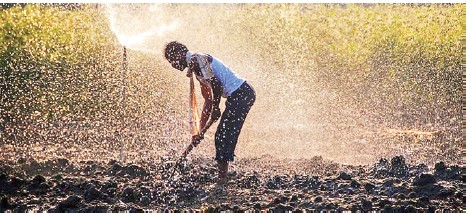
Water conservation has become one of the defining challenges of the twenty-first century. As populations grow, climate patterns shift, and consumption increases, freshwater resources are under mounting pressure. Water scarcity is no longer limited to arid regions; it is emerging in cities, agricultural belts, and even areas once considered water-rich. Addressing this challenge requires changes in infrastructure, policy, and everyday behaviour.Agriculture remains the largest consumer of freshwater worldwide. Traditional irrigation practices often rely on flood irrigation, which leads to significant water loss through evaporation and runoff. In many regions, groundwater extraction exceeds natural recharge rates, causing water tables to fall steadily.
This not only threatens long-term water availability but also increases energy use, as deeper pumping requires more power. Improving irrigation efficiency through methods such as drip and sprinkler systems can significantly reduce water use while maintaining crop yields.Urban water demand is also rising. Expanding cities place stress on rivers, reservoirs, and groundwater sources. Leakage from ageing pipelines results in substantial losses before water even reaches households.
At the consumer level, inefficient fixtures and careless usage further strain supplies. Simple measures such as repairing leaks, installing low-flow taps, and reusing greywater can collectively make a substantial difference when adopted at scale.Rainwater harvesting offers an underused solution. Capturing rain from rooftops and paved surfaces reduces dependence on external sources and helps recharge groundwater. Many regions have introduced regulations mandating rainwater harvesting in new buildings, but implementation and maintenance remain uneven. When properly designed and monitored, these systems can provide reliable supplementary water and reduce urban flooding during heavy rainfall.Water conservation is closely linked to energy and climate. Treating, pumping, and distributing water consume significant energy. Reducing water demand therefore also lowers energy use and associated emissions. Conversely, climate change is altering rainfall patterns, increasing the frequency of droughts and extreme events. Conservation strategies must account for this uncertainty, prioritising resilience and flexibility.