


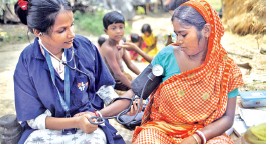
In a small village in eastern Uttar Pradesh, the nearest government health centre is nearly 15 kilometres away. For residents without private transport, a medical emergency often means hours of delay, borrowed money, and a desperate race against time. This reality is repeated across rural India, where healthcare remains uneven, under-resourced, and often out of reach.Despite decades of policy promises, rural health outcomes continue to lag behind urban areas. Maternal mortality, childhood malnutrition, tuberculosis, and untreated chronic illnesses remain disproportionately high in villages.
The gap is not merely about facilities — it is about access, trust, and continuity of care.India has built thousands of sub-centres and primary health centres (PHCs), yet many remain understaffed or non-functional. Doctors are reluctant to serve in remote areas due to poor infrastructure, lack of security, limited career growth, and inadequate housing.In many PHCs, a single nurse or compounder handles patients, deliveries, vaccinations, and paperwork. Diagnostic facilities are minimal, and referrals to district hospitals are frequent but difficult to access.“When people know there’s no doctor, they stop coming,” said a health worker in Madhya Pradesh. “They wait until it’s too late.”Distance turns illness into debt.
Families often spend heavily on transport, private clinics, and medicines, even for treatable conditions. For daily wage earners, a day spent seeking care also means lost income.Women face additional barriers. Cultural norms, lack of mobility, and caregiving responsibilities delay treatment. Pregnant women, in particular, remain vulnerable despite institutional delivery schemes.Rural India is no longer shielded from lifestyle-related diseases. Hypertension, diabetes, and respiratory illnesses are rising, driven by poor nutrition, pesticide exposure, tobacco use, and pollution from biomass fuels.
Yet rural health systems are still designed around maternal and child health, leaving chronic disease management largely neglected. Regular monitoring, counselling, and follow-up care are rare.Accredited Social Health Activists (ASHAs) and anganwadi workers form the backbone of rural healthcare. They conduct home visits, track pregnancies, support immunisation drives, and deliver health messages. Yet they remain underpaid, overburdened, and often treated as volunteers rather than professionals. Delayed payments and expanding responsibilities threaten burnout.Experts argue that strengthening rural healthcare requires more than building facilities.