Last Updated: October 24, 2026
Last Updated: October 24, 2026





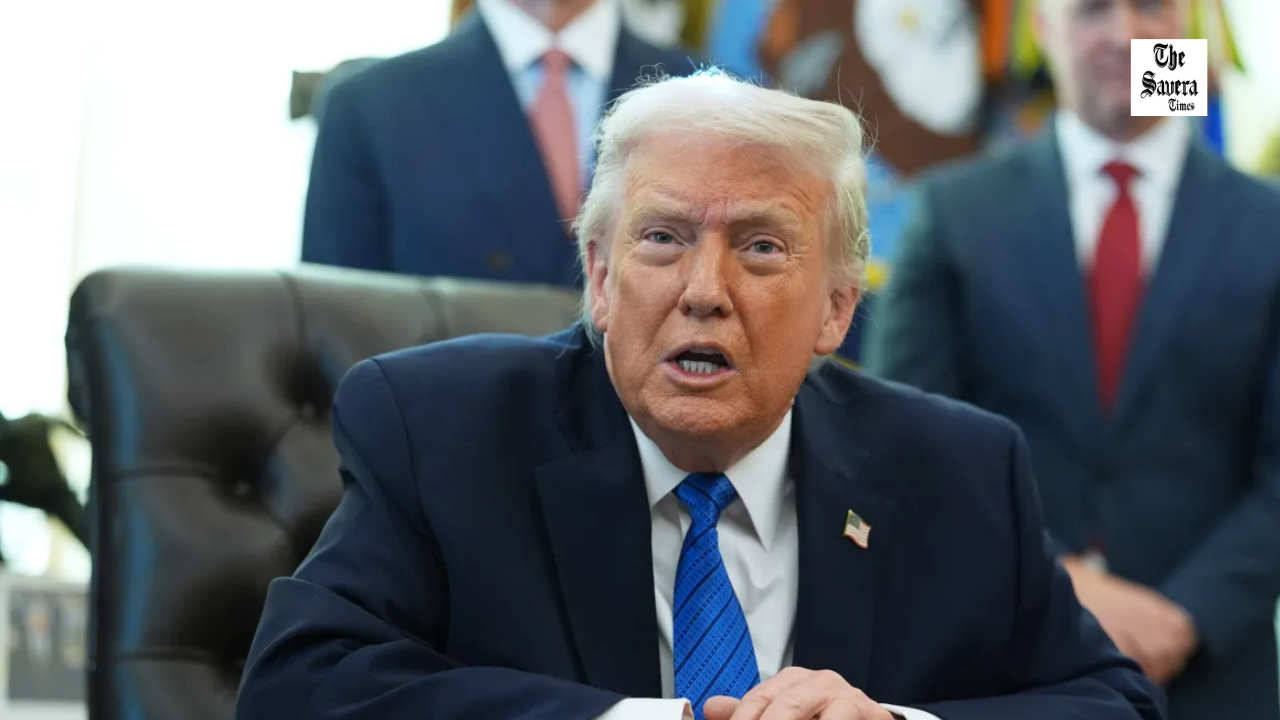
Washington, January 31, 2026: The United States government entered a partial shutdown early Saturday after Congress failed to approve key funding bills before the federal budget deadline, triggering a lapse in appropriations for several government agencies. The shutdown began at 12:01 a.m. (ET) As lawmakers remained deadlocked over unresolved budget disputes, forcing non-essential federal operations to halt temporarily.
The shutdown was caused by Congress’s inability to pass the remaining appropriations bills required to fund the federal government for the 2026 fiscal year. While the Senate passed a large spending package to fund most departments, disagreements particularly over funding for the Department of Homeland Security prevented final approval before the deadline. The House of Representatives did not vote on the Senate-passed bill in time, resulting in an automatic shutdown.
Due to the funding lapse, several federal agencies have begun suspending non-essential services. Departments including Homeland Security, Transportation, Housing and Urban Development, Labor, and Health and Human Services are affected. Essential services related to national security, law enforcement, air traffic control, and emergency response continue to operate, though many federal employees may be furloughed or required to work without immediate pay.
Thousands of federal workers across unfunded agencies face temporary furloughs, while essential staff remain on duty. Social Security benefits, Medicare payments, and postal services continue unaffected as they are funded separately. However, delays are expected in visa processing, housing assistance programs, and regulatory services until funding is restored.
The funding impasse stems largely from political disagreements over immigration policy and border security funding. Lawmakers from opposing parties have blamed each other for the failure to reach consensus, with negotiations stalling over conditions tied to immigration enforcement and homeland security reforms. Despite the standoff, leaders from both parties have indicated that talks are ongoing.
Congressional leaders have suggested that the shutdown may be short-lived, as lawmakers are expected to resume negotiations once the House reconvenes. A temporary funding extension or stopgap bill could be passed to reopen affected agencies while broader budget talks continue. Until then, the partial shutdown remains in effect.
Multiple earthquakes of preliminary magnitudes 7.2, 6.9 and 6.3 were reported near the Vanuatu Islands on Saturday. India's...
Washington: US President Donald Trump has acknowledged that the war with Iran has driven up oil prices and...
Washington: US President Donald Trump has announced a new labelling initiative to identify American-produced seafood, seeking to give...
Kinshasa: A major clinical trial to evaluate vaccines against the Bundibugyo Ebola virus began Friday in the eastern...
Washington: US President Donald Trump has warned that American forces could launch another round of military strikes against...
The Indian Army on Friday rejected claims on social media that the Army had taken action against the...
Aries: The day will be auspicious...