Last Updated: October 16, 2026
Last Updated: October 16, 2026





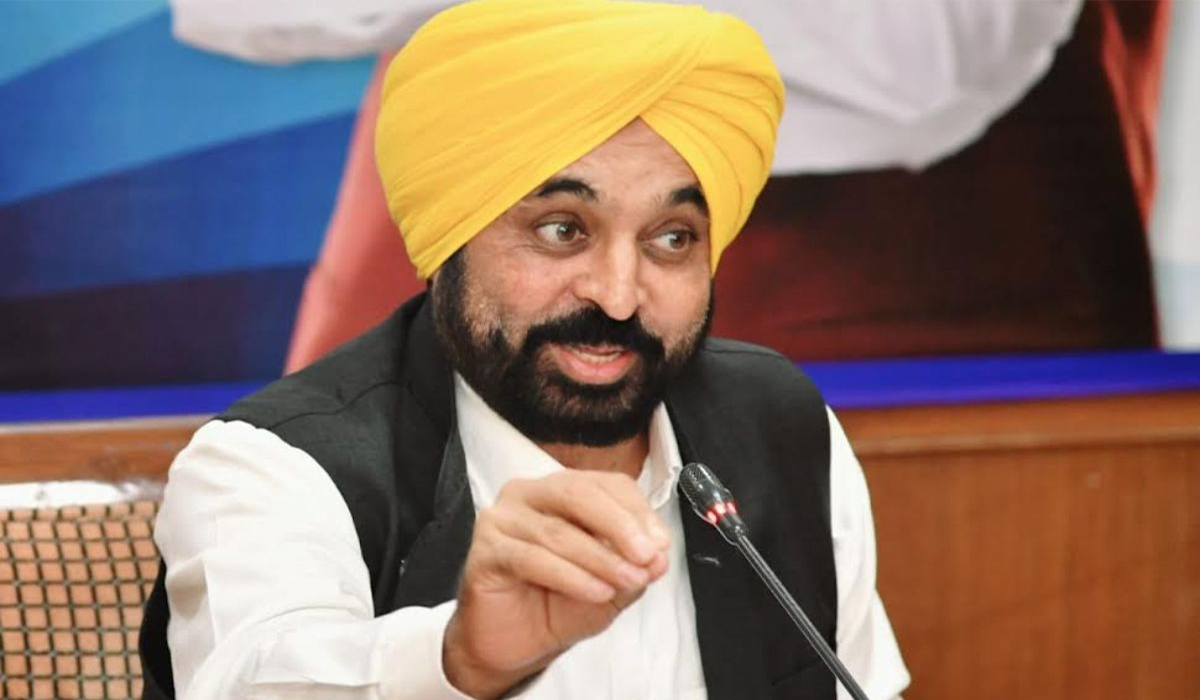
In a landmark move aimed at strengthening the financial position of farmers and reducing their dependence on moneylenders, Punjab Chief Minister Bhagwant Singh Mann has announced a major overhaul of the 26-year-old Kisan Credit Card (KCC) system. The revised framework introduces higher institutional credit limits, lower interest rates, and a shift towards a more digital and transparent lending process.
The state government’s initiative is expected to benefit over 13 lakh farmers across Punjab by aligning credit availability with actual crop cultivation costs and expanding support for allied agricultural activities, high-value crops, and stubble management.
Chief Minister Bhagwant Singh Mann described the reforms as a “historic step” towards making agriculture more profitable and sustainable. He said the new system would ensure greater financial inclusion, strengthen cooperative credit institutions, and help farmers break free from the debt cycle created by informal lending sources.
Major Increase in Crop-wise Credit Limits
Under the revised KCC framework, credit limits for key crops have been significantly enhanced. The loan limit for wheat has been increased from ₹24,380 per acre to ₹30,000 per acre, while the limit for paddy has been raised from ₹25,440 per acre to ₹39,000 per acre.
For horticultural crops, the credit support has seen a substantial jump, with loan availability increasing up to ₹1.57 lakh per acre, compared to the earlier uniform limit of ₹32,000 per acre.
The Chief Minister said these revisions would ensure that farmers receive credit that reflects the real cost of cultivation, thereby improving their financial stability.
Focus on Crop Residue Management and Sustainability
A key highlight of the reform is the inclusion of crop residue (stubble) management within the KCC framework for the first time in India. Out of the revised paddy credit limit, ₹2,000 per acre has been specifically earmarked for stubble management.
Calling it a pioneering step, the Chief Minister said this provision would encourage environmentally responsible farming practices while providing farmers with financial support for managing crop residue.
Boost for Sugarcane Growers
The government has also announced significant benefits for sugarcane farmers. The credit limit for planted sugarcane has been increased from ₹44,000 per acre to ₹1 lakh per acre. Additionally, a new credit facility of ₹65,000 per acre has been introduced for ratoon crops.
Officials said these measures would reduce farmers’ dependence on high-interest informal loans from moneylenders and non-banking financial companies (NBFCs), ensuring easier access to affordable institutional credit.
Shift Towards Digital and Transparent Lending System
The revamped KCC framework replaces the earlier system introduced in 2000, which relied heavily on manual paperwork, passbooks, and chequebooks. The new model integrates digital tools to make loan processing faster, more transparent, and farmer-friendly.
Chief Minister Bhagwant Singh Mann said the reforms would eliminate bureaucratic delays and ensure direct transfer of funds to farmers’ bank accounts. He added that Primary Agricultural Cooperative Societies (PACS) and District Central Cooperative Banks would now play a more efficient role in delivering credit services.
A Step Towards Economic Empowerment of Farmers
The Chief Minister said the reforms are not just policy changes but a transformative step aimed at the economic empowerment of Punjab’s farming community. He reiterated the government’s commitment to expanding crop diversification and strengthening the cooperative banking system.
he said, With these reforms, we are ensuring that farmers get adequate financial support at the right time and at the right cost. This will help them move away from debt traps and adopt modern, profitable farming practices.
The Punjab government expects the revamped Kisan Credit Card system to significantly improve rural credit access and accelerate agricultural growth across the state.
Charanjit Singh Channi travelled in a tipper truck to a riverbank site at night as part of Mission...

Manjit Singh Bedi, 64, has been returned to the United States after being arrested in India. He faces...

Punjab Chief Minister Bhagwant Mann dedicated 154 new Aam Aadmi Clinics to the public in Hoshiarpur, expanding access...

Shiromani Rangreta Dal Punjab President Sardar Dharmendra Singh has accused the Congress of having an anti-Dalit mindset, alleging...

Ludhiana, Punjab: Tensions erupted in Ludhiana city’s Old Sabzi Mandi, Karabara Road area on Thursday afternoon when angry...

The Punjab Police's Anti-Gangster Task Force (AGTF) has arrested Gurlal Singh in a joint operation with the Haryana...

Aries: The day will be auspicious...