Last Updated: October 10, 2026
Last Updated: October 10, 2026





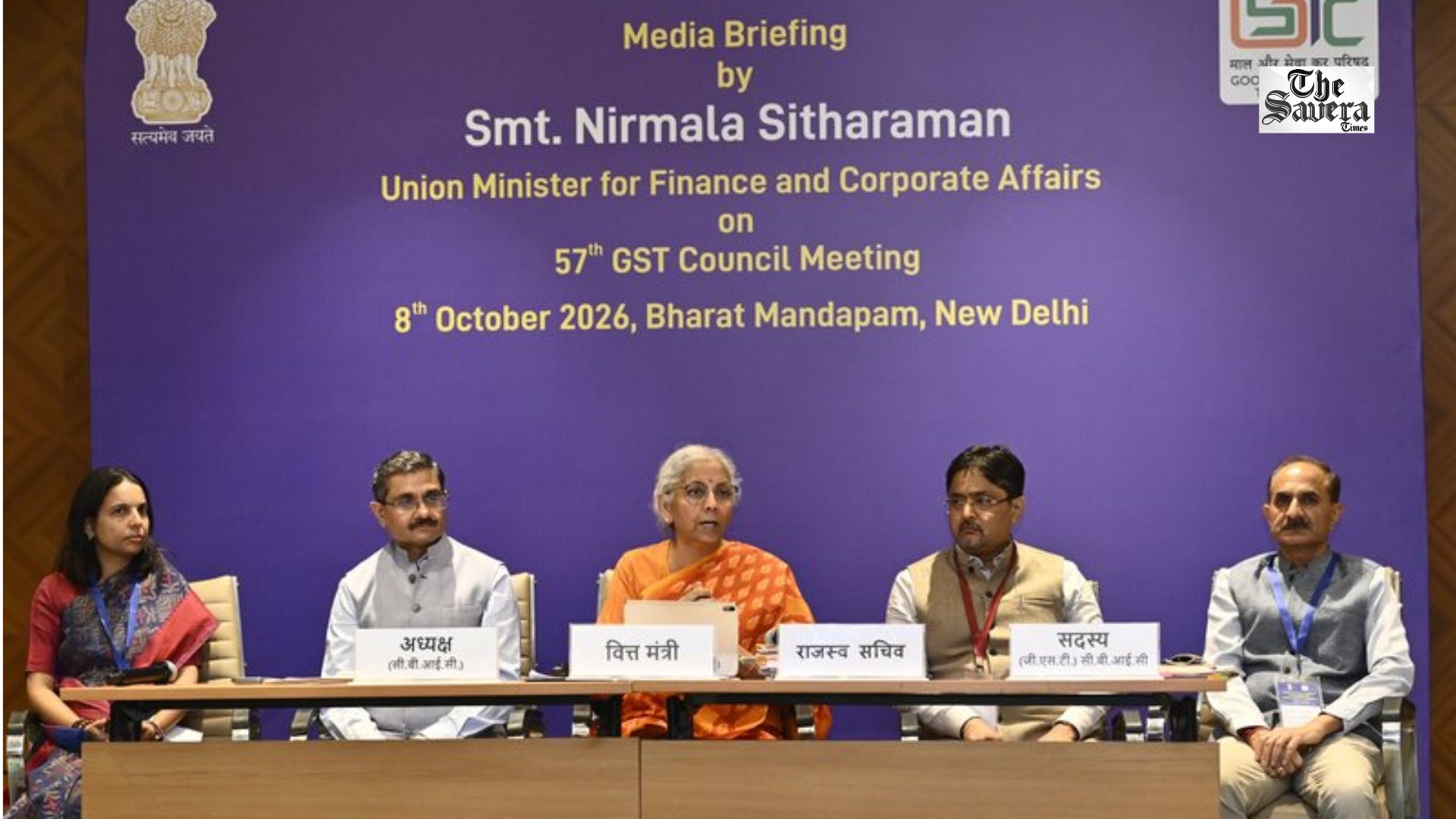
New Delhi: The 57th GST Council meeting has recommended a series of measures to simplify GST registration, speed up refunds, clarify input tax credit (ITC) rules and reduce certain penalties, with the aim of improving ease of doing business and making the tax system more taxpayer-friendly.
According to a government factsheet released on Saturday, the recommendations under the GST 2.0 reforms seek to address concerns raised by businesses, small sellers and service exporters while simplifying compliance and dispute resolution.
The reforms come as India’s GST taxpayer base continues to expand. The number of registered taxpayers increased from around 60 lakh in 2017 to 1.70 crore by September 2026.
As of September 30, the GST system had cumulatively processed 3,053 crore invoice uploads and 833.82 crore e-way bills. Gross GST collections stood at Rs 12.46 lakh crore during April-September 2026, marking an 11.6 per cent increase year-on-year.
GST Registration and Cancellation Process to Be Simplified
The Council has recommended automatic acceptance of amendments to registration details through the GST portal, except for changes involving the Principal Place of Business (PPoB). For taxpayers registered through the automatic route, amendments to all registration particulars, including the PPoB, would be accepted automatically.
The recommendations also propose automatic acceptance of GST cancellation applications once pending returns have been filed and all outstanding dues paid, subject to specified conditions relating to input tax credit and the filing of the final return.
A simplified registration mechanism has also been proposed for small taxpayers supplying goods or services through e-commerce platforms, potentially making it easier for smaller businesses to participate in online trade.
Faster GST Refunds and Reduced Acknowledgement Time
The GST Council has recommended automatic refunds of excess balances in electronic cash ledgers to help businesses access their funds more quickly.
The acknowledgement period for refund applications would be reduced from 15 days to 10 days. Deemed acknowledgement would apply in cases where no response is issued within the prescribed period.
The factsheet also states that, subject to risk assessment, 90 per cent of the claimed refund amount is expected to be sanctioned for claims involving zero-rated supplies and an inverted duty structure.
These measures are intended to improve cash flow for businesses and reduce delays associated with GST refund processing.
Lower Penalties and Changes to GST Dispute Resolution
The recommendations include changes to show-cause notices, penalties and appeals. No show-cause notices would be issued where the tax amount involved is below Rs 10,000. Pending notices and appeals involving amounts below this threshold would also be dealt with under the proposed minimum threshold provision.
The Council has recommended that, where the full tax amount is voluntarily paid along with interest and penalty within the specified time limit, the penalty would be termed a “charge”.
A reduced penalty of 5 per cent would apply where tax and interest are paid within 30 days under Section 73 or within 60 days under Section 74A of the relevant adjudication order.
The minimum penalty of Rs 10,000 is proposed to be removed in non-fraud cases. The maximum general penalty would also be reduced from Rs 25,000 to Rs 10,000.
For appeals before the Appellate Authority or Appellate Tribunal in cases involving only a penalty and no tax demand, an upper limit of Rs 40 crore has been proposed for the pre-deposit requirement.
According to the government factsheet, the recommendations build on the expansion of the GST system and aim to improve compliance, strengthen trade and create a more efficient and taxpayer-friendly tax framework.
New Delhi: Former Vice President M. Venkaiah Naidu on Saturday criticised attempts by certain political parties to malign...
Washington: President Donald Trump’s agreement to secure Russian diesel supplies has triggered accusations of double standards from American...

Mumbai: Mumbai Police detained Mahatma Gandhi’s great-grandson Tushar Gandhi on Saturday, October 10, while he was heading to...

Foreign investors sold shares worth Rs 30,294 crore during the week ending October 9, 2026, while domestic institutional...

NDA leaders questioned Rahul Gandhi's public remarks about his meeting with President Droupadi Murmu, following the INDIA bloc's...

New Delhi: BJP national president Nitin Nabin on Saturday accused Congress leader Rahul Gandhi and Aam Aadmi Party...

Aries: The day will be auspicious...