Last Updated: October 18, 2026
Last Updated: October 18, 2026





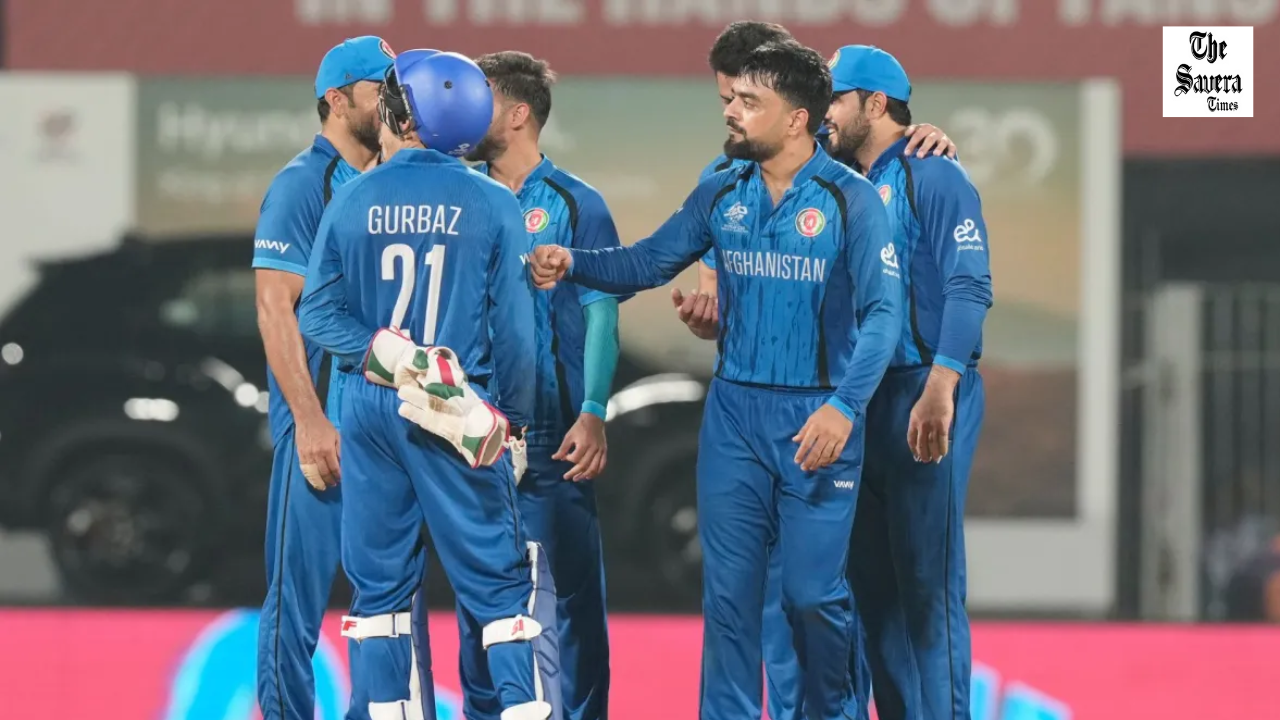
Kabul/New Delhi, March 3, 2026: Afghanistan’s national cricket team is poised for a leadership overhaul following a subpar campaign at the ICC Men’s T20 World Cup 2026, with the Afghanistan Cricket Board (ACB) already making key changes to coaching and captaincy structures as part of a broader attempt to reset direction ahead of upcoming international commitments.
The star-studded side, which entered the tournament with high expectations, failed to progress beyond the group stage a significant drop from its memorable semi-final finish at the 2024 T20 World Cup. Cricket insiders say the team’s early exit has prompted a series of strategic decisions aimed at reviving confidence and performance levels.
One of the most consequential decisions by the ACB came with the appointment of seasoned English coach Richard Pybus as head coach, succeeding Jonathan Trott after the conclusion of the T20 World Cup.
Pybus a veteran coach with extensive international experience, including roles with Pakistan, West Indies, and Bangladesh signed on with the national team earlier this year. The ACB confirmed that Pybus will lead Afghanistan through upcoming white-ball series and rebuild efforts.
“It’s an exciting opportunity to work closely with Afghan talent,” Pybus said, signaling his commitment to scouting local players and improving the team’s competitiveness across formats. His first assignments include preparing the squad for a limited-overs series against Sri Lanka in the UAE set to begin in March.
ACB Chief Executive Naseeb Khan has underscored that the board’s vision includes having coaching staff based in Afghanistan, rather than overseas, in order to foster deeper engagement with domestic cricket and identify emerging talent.
In addition to the coaching switch, reports from Afghan media suggest that the board is eyeing changes in T20 leadership, with one prominent source indicating that legendary leg-spinner Rashid Khan may be replaced as T20 captain after the team’s underperformance.
Rashid, who has been one of Afghanistan’s most influential players and leaders in recent years, has led the side through significant milestones. However, the team’s early group exit in the current World Cup and inconsistent results in key matches have reportedly triggered calls for a fresh on-field strategy and leadership approach.
Top-order batsman Ibrahim Zadran, a consistent run-getter in international cricket, is emerging as a likely candidate to take over captaincy duties in T20 format a move that would signal a generational leadership shift.
Afghanistan’s T20 World Cup campaign saw mixed results where they struggled to string together victories in a tough group but managed competitive outings against established sides. The team’s early exit, combined with its recent form, has underlined a need for renewed focus on consistency and adaptation to evolving global T20 standards.
Cricket analysts say that fresh leadership, both on and off the field, could be pivotal in redefining the team’s identity and competitive edge, particularly as Afghanistan prepares for a busy international calendar that includes a Test and ODI tour of India in June 2026.
The bilateral series against India featuring a one-off Test and three ODIs represents a significant opportunity for Afghanistan to test its depth and adaptability across formats and build momentum under new leadership.
Fans and former players have expressed mixed reactions to the leadership shake-up, with some advocating patience and support for long-standing leaders, while others call for fresh voices to inject energy and tactical innovation into the squad.
Cricket experts note that while Afghanistan’s cricketing journey has been remarkable marked by rapid growth and memorable victories sustained success will require cumulative improvements in strategy, leadership structure, and domestic development.
Haryana Hurricanes and Ayodhya Garjan have qualified for the Volleyball Champions League semi-finals after winning their Super 6...

Krunal Pandya will lead India at the Hong Kong Sixes from October 30 to November 1, while Kulwant...
Mighty Marathas beat Chero Archers 6-0 and Kakatiya Knights defeated Prithviraaj Yodhas 6-2 to secure the top two...

Brighton and Hove Albion opened their UEFA Conference League campaign with a 4-0 win over Kauno Zalgiris. Georginio...

Delhi Dynamites claimed the final Super 6 spot in the Volleyball Champions League with a 2-1 win over...

New Delhi: Prime Minister Narendra Modi is scheduled to interact with the Indian contingent that participated in the...
Aries: The day will be auspicious...