Last Updated: October 1, 2026
Last Updated: October 1, 2026





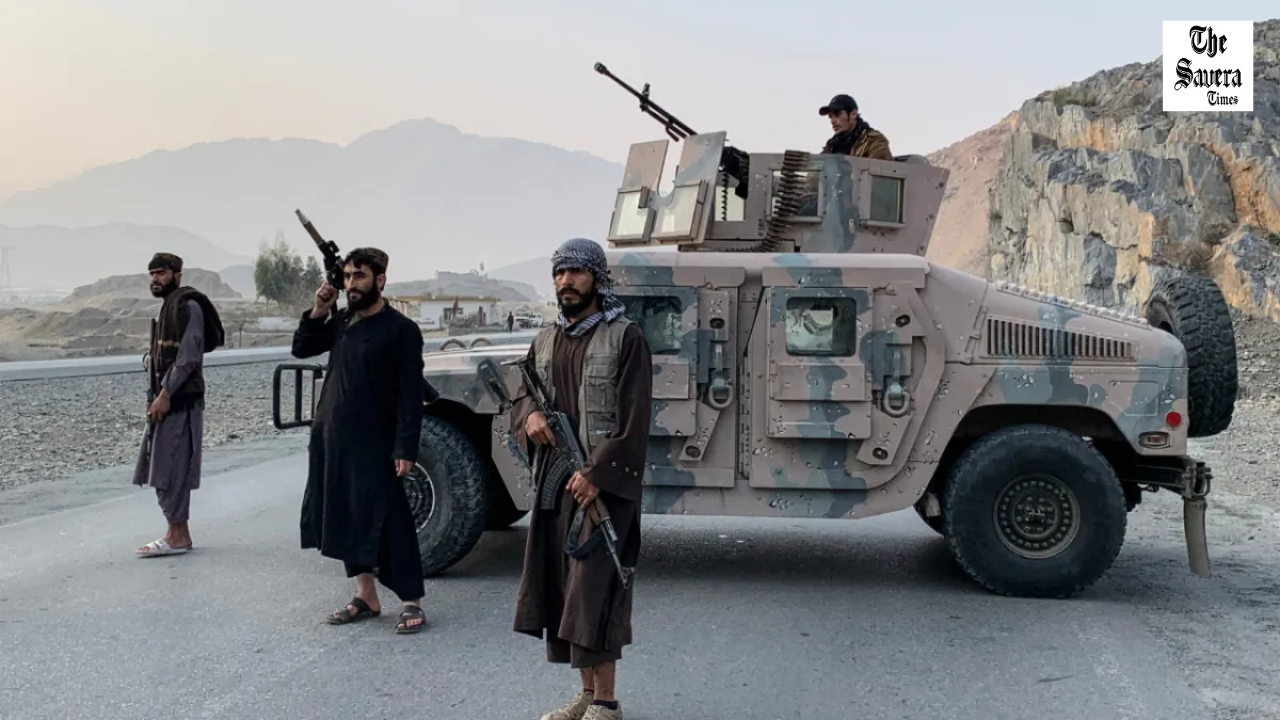
Border tensions between Afghanistan and Pakistan have rapidly intensified, with diplomatic efforts underway even as both sides trade military strikes along their frontier. The sharp escalation follows days of cross-border shelling and airstrikes, prompting international calls for dialogue to prevent a wider conflict.
The clashes mark the most serious hostilities since the conflict reignited in late February 2026, part of the ongoing Afghanistan–Pakistan war that began on 21 February and has already seen significant casualties on both sides.
Pakistan’s Defence Minister, Khawaja Mohammad Asif, declared that Islamabad is now in a state of “open war” with Afghanistan, stating that Pakistan’s “patience has ended” after repeated alleged incursions by Afghan Taliban fighters. The warning came alongside a stern message that no targets would be “beyond reach” if further aggression continues.
Earlier this week, Pakistan launched Operation Ghazab Lil Haq translated as “Wrath for the Truth” aimed at Taliban positions in Kabul, Kandahar, and Paktia provinces. Pakistani officials claim that over 130 Afghan Taliban fighters were killed and several military installations destroyed.
The Afghan Taliban, however, has disputed these figures and asserts that its forces inflicted casualties on Pakistani troops, captured bases, and destroyed forward posts along the Durand Line. Both sides have released conflicting casualty reports that remain difficult to independently verify.
Amid the escalation, Iran’s Foreign Minister Abbas Araghchi offered Tehran’s assistance to facilitate talks between Islamabad and Kabul to de-escalate tensions. Araghchi emphasised the need for constructive dialogue rooted in good-neighbourly relations during the holy month of Ramadan — pledging Iran’s readiness to support any peace initiative.
Saudi Arabia has also signalled support for mediation efforts, urging both nations to reduce tensions and pursue diplomatic solutions. The involvement of these regional powers illustrates growing international concern about the potential for further conflict in South Asia.
Meanwhile, Russian officials have echoed calls for restraint and suggested Moscow could serve as a mediator if requested by the warring parties, highlighting broader geopolitical interest in stabilising the region.
The current hostilities have had significant humanitarian repercussions. Civilian casualties and displacement have been reported amid the fighting, particularly in border provinces such as Nangarhar and Paktika. Afghan authorities say civilians have been killed and injured by Pakistani strikes, including attacks on residential areas — allegations Islamabad denies.
These developments come against the backdrop of a long-running dispute over alleged militant sanctuaries in Afghan territory. Pakistan accuses the Afghan Taliban administration of harbouring elements of the Tehreek-e-Taliban Pakistan (TTP) and other militant groups that have launched attacks inside Pakistan. The Taliban government refutes the claim, insisting it does not support foreign insurgencies.
Experts say that despite deep mistrust, diplomatic engagement remains the only viable path to avoiding a full-scale war. Previous ceasefire understandings had been reached with support from international mediators, but a fragile peace has repeatedly collapsed, underscoring the volatility of the situation.
Iran’s offer to facilitate talks, backed by supportive signals from Saudi Arabia and Russia, represents a renewed effort to bring the two neighbours back to the negotiating table. Whether these initiatives can succeed hinges on the willingness of both Islamabad and Kabul to prioritise diplomacy over military confrontation.
Israel PM Benjamin Netanyahu has claimed that a flydubai pilot wanted to crash the aircraft and praised passengers...
Donald Trump jokingly called Google CEO Sundar Pichai a “monster” during a White House interaction, with Pichai responding...

A spelling error on a White House document linked to Donald Trump’s Super Intelligence initiative has gone viral...
An Indian captain reportedly fought back after an alleged cockpit attack on a flydubai flight, helping avert a...

Washington/Baghdad: The United States and its allies have officially ended ‘Operation Inherent Resolve’ against the Islamic State (IS)...
Telangana-origin lawyer Sandhya Reddy has been elected the 73rd Mayor of Sydney’s Strathfield Council after serving as a...

Aries: The day will be auspicious...