Last Updated: October 17, 2026
Last Updated: October 17, 2026





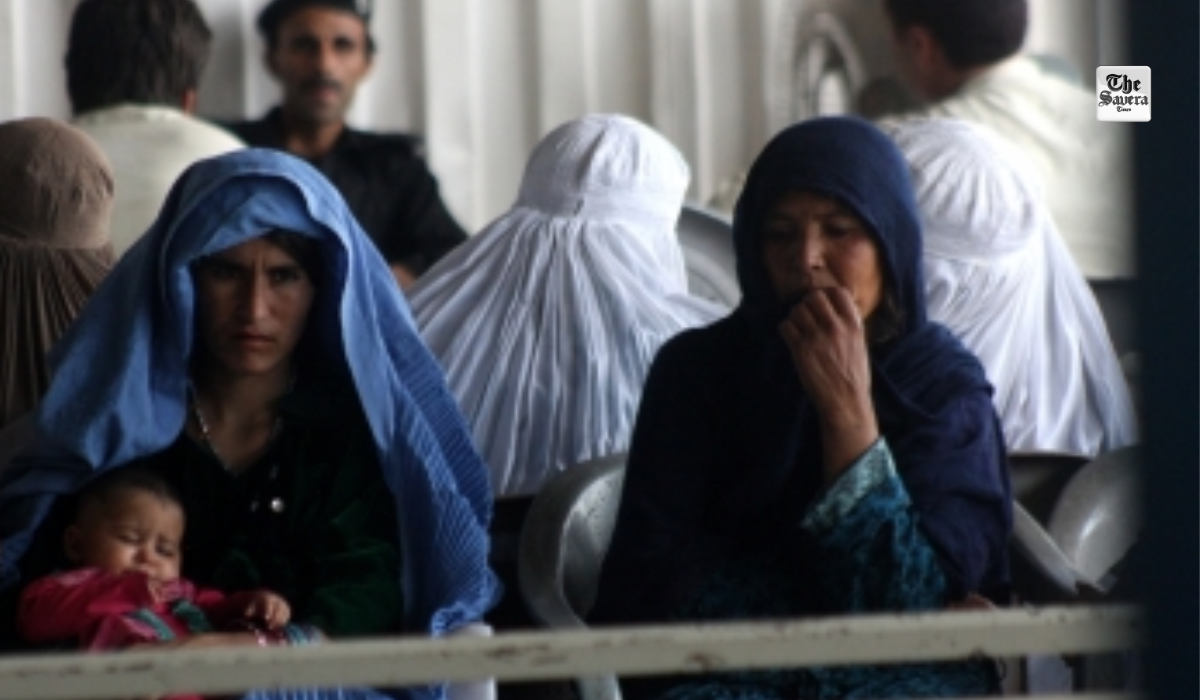
Kabul: Nearly 2.8 million refugees returned to their homeland in 2025, a significant event after decades of conflict and instability. For the past four decades, millions of Afghan citizens had taken refuge in Pakistan and Iran.
According to the Afghan Ministry of Economy, this return points to the country’s growing economic prospects.
“Nearly 2.8 million refugees returned home in one year. The economy has grown, and hopes for future economic stability have increased,” ministry spokesman Abdul Rahman Habib told Radio and Television Afghanistan (RTA) on Wednesday night. Habib did not provide further details about the location or details of the returning refugees, but he made it clear that the government will continue to support their rehabilitation.
Government Plan—Economic Development and Job Creation
The Afghan government aims to ensure that returning refugees have stable employment and livelihood opportunities. Habib said the government will continue to support the private sector, attract foreign investment, and implement large-scale development projects to boost local production.
“These steps are part of a comprehensive economic strategy to stabilize the national economy, create jobs, and reduce poverty,” Habib was quoted as saying by Xinhua News Agency. Analysts say that stable economic growth and employment opportunities could encourage more refugees to return to their homeland.
Daily Returns and Humanitarian Aid
The return of Afghan refugees continues daily. On Wednesday alone, more than 2,000 refugees returned from Pakistan and Iran. Taliban Deputy Spokesman Mullah Hamdullah Fitrat, citing a report from the High Commission for Refugees, said that 450 families, totaling 2,254 people, returned on Tuesday.
The returning refugees came from major border crossings, including Spin Boldak in Kandahar, Bahramcha in Helmand, Torkham in Nangarhar, Islam Qala in Herat, and Pul-e-Abresham in Nimroz. Of these, 199 families (1,018 people) were transported to their home areas, while 417 families received humanitarian assistance, including food, shelter, and basic necessities.
Mobile companies also provided 390 SIM cards to returning refugees to help them stay connected with family and services. Meanwhile, 2,827 Afghan migrants were deported from Iran and Pakistan during the same period.
Historical Perspective of the Afghan Refugee Crisis
Over the past four decades, millions of Afghan citizens fled their country to escape war, political instability, and civil war. The largest number of Afghan refugees lived in Pakistan and Iran. The return of millions in 2025 indicates that relative stability in the country and the government’s economic initiatives are encouraging refugees to return.
Experts say the challenge now remains for Afghanistan to ensure sustainable livelihoods for returning refugees, integrate them into society, and maintain security and social cohesion. This will require effective governance, investment in infrastructure, and continued humanitarian assistance.
Air India and Air India Express have suspended flights to Riyadh, Jeddah and Dammam until October 20. IndiGo...

Manjit Singh Bedi, 64, has been returned to the United States after being arrested in India. He faces...

A Houthi attack on the al-Maashiq Presidential Palace in Aden killed five people and injured 16, amid intensifying...

A shooting at Silver Rail Elementary School in Bend, Oregon, left three children and a teacher dead. The...

Prime Minister Narendra Modi will visit Canada on December 11-12, 2026, with both countries aiming to strengthen strategic...

US Vice President JD Vance has warned that anyone found selling access to the White House should face...

Aries: The day will be auspicious...