Last Updated: October 21, 2026
Last Updated: October 21, 2026





Dr Kinny Garg
Associate Professor
AMC Engineering College
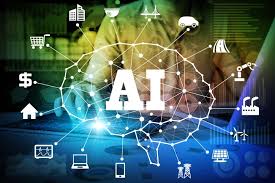
Artificial intelligence is no longer confined to science labs or complex data analysis. Today, AI can compose music, generate paintings, write articles, edit videos, and even create realistic human voices. In the realm of creative media, machines are becoming collaborators. However, as AI’s role in creativity expands, important ethical questions about ownership, fairness, and truth also arise.
AI-powered tools are transforming how content is produced. Graphic designers use AI to generate visual concepts in seconds, while musicians experiment with AI-generated melodies. Journalists utilize AI to summarize reports and quickly analyze large amounts of data. Film editors rely on AI to enhance visuals and automate repetitive tasks. These technologies save time, reduce costs, and make creative tools accessible to individuals without professional training. In many ways, AI is broadening creative possibilities rather than constraining them.
However, this rapid evolution also brings significant concerns. One major issue is ownership. If an AI system creates a painting or writes an article, who owns the final product? Is it the individual who used the tool, the company that developed the AI, or no one at all? Copyright laws around the world are still struggling to address this question, leaving creators and businesses in a state of confusion. Another ethical concern is how AI systems are trained. Many AI models learn by analyzing vast collections of existing art, music, books, and photographs—often without the original creators’ knowledge or consent. Artists argue that their work is being used unfairly, with AI imitating their styles without credit or compensation. This has led to protests and legal debates about how to protect creative professionals in the digital age.
The rise of deepfakes adds another layer of risk. AI can now produce highly realistic fake videos and audio recordings of people saying or doing things they never did. Such content can spread misinformation, damage reputations, and even influence public opinion during elections. When fake content appears real, trust in the media diminishes, making it harder for people to discern what is true.
Concerns about job losses also loom large. Writers, illustrators, voice actors, and video editors fear that companies might replace human talent with cheaper AI alternatives. While some tasks may be automated, experts emphasize that new jobs are emerging in areas such as AI supervision, content verification, and ethical technology development. The future may not be about humans versus machines but about humans working alongside them.
This is where media ethics plays a crucial role. News organizations and content creators must be transparent about their use of AI. Audiences deserve to know whether a machine produced an image, voice, or article. Media professionals should also verify AI-generated information carefully to prevent the spread of false or misleading content.
Governments and technology companies are beginning to establish rules and guidelines for responsible AI use, but public awareness is equally important. Teaching media literacy can help people critically evaluate what they see and hear online.
AI is a powerful creative partner, but strong ethical principles must steer its application. The future of media will depend not only on intelligent machines but also on the wisdom and responsibility of the humans who use them.
Good Evening Viewers! Catch up on the day's biggest stories with The Savera Times Evening Bulletin. Get the...

Congress leaders continued their protest outside the Jaipur Police Commissionerate on Tuesday, demanding the registration of a zero...
On the auspicious occasion of Vijayadashami, Prime Minister Narendra Modi on Tuesday called on the countrymen to unite...
A historic milestone was achieved on Tuesday in the expansion of Chhattisgarh's rail networkA historic milestone was achieved...

Model Shraddha Dubey, one of the main accused in the death of Lucknow businessman Shiv Sharma, has been...
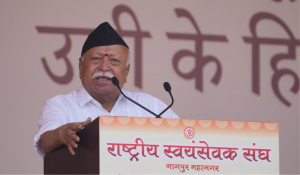
Rashtriya Swayamsevak Sangh (RSS) chief Mohan Bhagwat on Tuesday called for strengthening national unity, social harmony, indigenous practices...
Aries: The day will be auspicious...