Last Updated: October 21, 2026
Last Updated: October 21, 2026





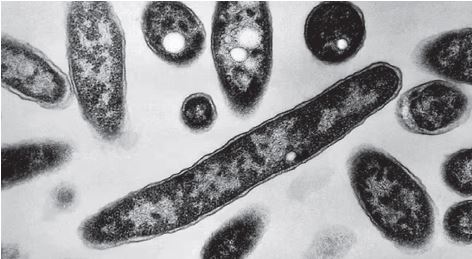
In a first-of-its-kind advance, researchers have used artificial intelligence to design viruses capable of infecting and killing bacteria, including drug-resistant strains. The work, led by scientists at Stanford University and the Arc Institute, has produced the world’s first entirely AI-generated genome, a breakthrough that could transform the field of computational biology.
Until now, artificial intelligence had been applied to designing individual proteins or small genetic circuits. Building a full viral genome, however, presented a far greater challenge. A functioning virus requires multiple interacting genes and regulatory switches to work together in balance. The researchers noted that this complexity introduces new constraints and failure points that are absent when designing only single proteins.
Designing a Genome with AI
The team turned to bacteriophages—viruses that infect bacteria—for their experiments. For their test case, they selected bacteriophage ΦX174 (phi-X-174), a virus with just 5,386 DNA letters and 11 overlapping genes. This phage has a unique history: it was the first organism to have its genome completely sequenced in 1977, and the first to be synthesised in 2003. Now, it has become the first virus to be designed by artificial intelligence.
The researchers used a genomic language model named Evo, trained on thousands of viral genomes, to generate candidate sequences. The AI produced thousands of genome designs, which were then filtered through software checks to eliminate unworkable versions. Hundreds of these designs were synthesised in the laboratory and tested in strains of Escherichia coli (E. coli), including those resistant to antibiotics.
Experimental Results
Out of 302 AI-generated genomes, 16 were able to infect and kill E. coli. These functional viruses carried dozens to hundreds of mutations never before seen in nature. In one striking instance, the AI introduced a DNA-packaging protein borrowed from a distantly related virus. Human scientists had attempted similar modifications in the past without success, but the AI design fit seamlessly. Cryo-electron microscopy confirmed that the novel protein integrated correctly into the viral shell.
The results, though preliminary, point to the possibility of developing new treatments for bacterial infections, particularly at a time when antibiotic resistance poses a growing global health challenge.
A Step Toward AI-Generated Life
The study, which has not yet undergone peer review, has drawn attention for its implications. Researchers involved said the work demonstrates that AI can handle the complex task of genome design, orchestrating not just single proteins but entire networks of interacting genes. Speaking to Nature, one of the scientists remarked, “The next step is AI-generated life.”
The team emphasised that genome design is fundamentally different from creating a protein. A virus must be able to replicate inside a host, target specific bacteria, and maintain evolutionary stability. Achieving this balance requires precise coordination among many genetic elements. The fact that 16 of the AI-designed genomes were functional demonstrates the potential of the approach, even though most generated sequences did not succeed.
Broader Implications
The findings raise both opportunities and questions. On one hand, AI-designed bacteriophages could become powerful tools in fighting infections that no longer respond to antibiotics. Phage therapy, which uses viruses to target bacteria, has been studied for decades but often relies on naturally occurring viruses. The ability to create customised bacteriophages could accelerate the development of targeted treatments.
On the other hand, the work highlights how rapidly artificial intelligence is moving into the domain of life sciences. The Evo model effectively created new biological systems that nature itself had not produced. The success in generating a working viral genome suggests that future experiments may push the boundaries further, including attempts to design entirely new organisms.
Looking Ahead
The study remains at an early stage, and much more testing will be needed before AI-designed viruses can be considered for clinical use. Safety concerns and ethical debates are also likely to grow as the technology advances. Still, the achievement marks an important milestone in synthetic biology.
By successfully designing functional bacteriophages, scientists have shown that artificial intelligence can handle the complexity of entire genomes. What began with AI models writing proteins has now expanded to viruses. The leap underscores how computation, biology, and engineering are converging in ways that could reshape medicine—and perhaps life itself—in the years ahead.
Good Evening Viewers! Catch up on the day's biggest stories with The Savera Times Evening Bulletin. Get the...

Congress leaders continued their protest outside the Jaipur Police Commissionerate on Tuesday, demanding the registration of a zero...

On the auspicious occasion of Vijayadashami, Prime Minister Narendra Modi on Tuesday called on the countrymen to unite...

A historic milestone was achieved on Tuesday in the expansion of Chhattisgarh's rail networkA historic milestone was achieved...

Model Shraddha Dubey, one of the main accused in the death of Lucknow businessman Shiv Sharma, has been...

Rashtriya Swayamsevak Sangh (RSS) chief Mohan Bhagwat on Tuesday called for strengthening national unity, social harmony, indigenous practices...

Aries: The day will be auspicious...