Last Updated: October 12, 2026
Last Updated: October 12, 2026





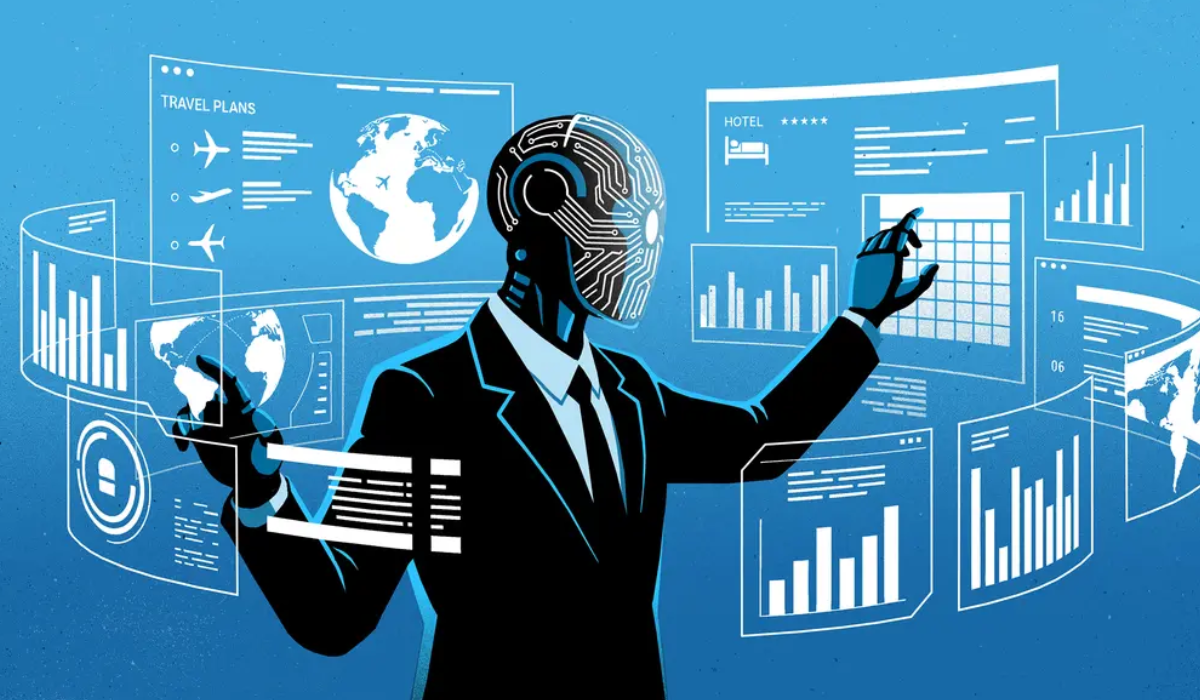
Artificial Intelligence (AI) is rapidly transforming the way we live, work, learn, and communicate. From healthcare and education to agriculture and governance, AI is becoming an indispensable part of modern society. Yet, as machines become smarter, an important question demands our attention: Can intelligence be truly meaningful without wisdom, ethics, and cultural understanding? This is where the Indian Knowledge System (IKS) offers a valuable perspective. The Indian Knowledge System, developed over thousands of years, is not merely a collection of ancient texts or traditions. It is a holistic framework that emphasizes ethical conduct, critical thinking, sustainability, harmony with nature, and the welfare of all living beings. Concepts such as Dharma (righteous duty), Ahimsa (non-violence), Satya (truthfulness), and Vasudhaiva Kutumbakam (the world is one family) provide timeless principles that remain relevant in today’s digital age. Artificial Intelligence is designed to process enormous amounts of data and generate quick decisions. However, AI systems are only as good as the data and values on which they are trained. If the data contain bias, misinformation, or prejudice, AI may unintentionally reinforce discrimination and injustice. The challenge before humanity is not merely to build intelligent machines but to develop responsible intelligence that serves society fairly and ethically. Indian philosophy has long recognized the distinction between knowledge (Vidya) and wisdom (Dhi or Viveka). Knowledge provides information, while wisdom guides its ethical application. AI possesses immense computational knowledge, but it lacks moral judgment. It can identify patterns but cannot distinguish compassion from cruelty or justice from injustice unless human values are intentionally built into its design. The integration of AI with Indian Knowledge Systems therefore presents a unique opportunity. Rather than viewing ancient wisdom and modern technology as opposing forces, we should see them as complementary. AI can become more context-aware by learning from India’s rich linguistic diversity, traditional ecological knowledge, indigenous healthcare practices, and community-based problem-solving approaches. For instance, AI can support farmers by incorporating traditional agricultural practices that have sustained Indian villages for centuries. Healthcare systems can combine modern diagnostics with validated knowledge from Ayurveda and yoga for preventive care. Educational technologies can preserve regional languages and indigenous knowledge while making learning more inclusive. Such applications would make AI not only technologically advanced but also culturally relevant. Another important lesson from the Indian Knowledge System is the emphasis on humancentred development. Ancient Indian education aimed to nurture character along with competence. The objective was not simply to create skilled individuals but responsible citizens capable of contributing to society. This philosophy is equally important in AI development. Engineers, data scientists, and policymakers must ask not only Can we build this technology? but also Should we? and Who benefits from it? As AI becomes increasingly involved in recruitment, banking, policing, healthcare, and judicial support, ethical accountability becomes essential. Transparency, fairness, privacy, and inclusiveness must become integral features of AI systems rather than afterthoughts. The ethical principles embedded within the Indian Knowledge System provide a strong foundation for such responsible innovation. India’s National Education Policy 2020 has rightly encouraged the integration of Indian Knowledge Systems into education. This vision should extend to AI research and innovation. Universities should promote interdisciplinary collaboration where computer scientists work alongside philosophers, linguists, ethicists, psychologists, and scholars of Indian knowledge traditions. Such collaboration can help develop AI that understands not only algorithms but also human values. The future of Artificial Intelligence should not be measured solely by faster processors or larger datasets. Its true success will depend on whether it strengthens human dignity, promotes social justice, and contributes to sustainable development. Technology without ethics can become a source of inequality, while technology guided by wisdom can become a force for collective well-being. Artificial Intelligence represents one of humanity’s greatest achievements. The Indian Knowledge System represents one of humanity’s oldest repositories of ethical wisdom. Together, they offer an opportunity to create intelligence that is not only artificial but also responsible, contextual, and deeply human. As India aspires to become a global leader in AI, its greatest contribution may not simply be producing smarter machines, but demonstrating how technology can be guided by timeless values. In the age of algorithms, the wisdom of our civilization may prove to be our most valuable innovation.
The Delhi Police has registered an FIR regarding the alleged disturbance at the Bangla Sahib Gurdwara in...

The Delhi Police on Monday removed Jantar Mantar from the list of officially designated protest sites. The police...

The Supreme Court on Monday clarified that it has not passed any judgment on the Election Commission's (ECI)...

The Kerala Assembly passed a resolution demanding the removal of Chief Election Commissioner (CEC) Gyanesh Kumar from his...
Amidst heavy security and barricades by the Delhi Police, INDIA Bloc leaders began a protest march towards the...

The Reserve Bank of India (RBI)'s new measures to curb speculation in the rupee and maintain stability in...