Last Updated: October 26, 2026
Last Updated: October 26, 2026





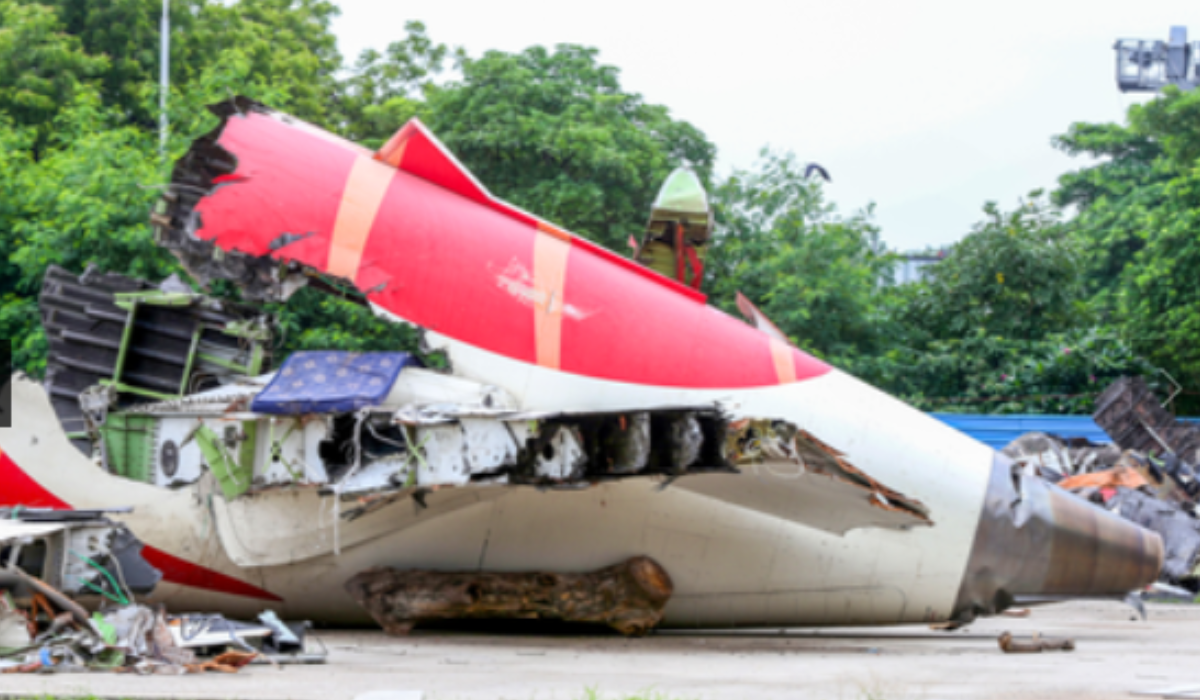
Boeing whistleblower Ed Pierson has sharply criticised the growing focus on pilot error in the investigation into the deadly Air India Boeing 787 crash in Ahmedabad, urging investigators to look closely at the aircraft itself rather than rushing to conclusions.
The crash, which killed over 260 people, including 242 passengers and crew, has once again placed Boeing’s safety record under intense global scrutiny. “Don’t blame the pilots yet. Look at the plane,” Pierson said, calling the Dreamliner an “electrical monster” and warning that investigators may be overlooking serious manufacturing and systems-related failures.
Pierson, a former senior manager at Boeing who later turned whistleblower, has long raised alarms about quality control issues within the aerospace giant. The Air India flight had taken off from Ahmedabad on what should have been a routine journey.
Moments later, the aircraft crashed in a massive fireball, slamming into the Atulyam hostels of BJ Medical College. Apart from those on board, several people on the ground, including medical students in the hostel canteen, were also killed. Only one passenger, Vishwash Kumar Ramesh, survived the crash.
The scale of destruction pushed the death toll to around 260, making it one of India’s deadliest aviation disasters in recent years. As investigators examine flight data and cockpit recordings, early speculation has pointed towards possible pilot error. Pierson has strongly objected to this line of thinking.
He described the preliminary findings as “horrible” and said they reflect a troubling tendency to deflect attention away from deeper, systemic problems. In an exclusive interaction with Firstpost, Pierson said Boeing’s manufacturing ecosystem has long been plagued by intense pressure to meet production targets, often at the cost of safety.
He highlighted the massive scale and complexity of Boeing’s factories, where even small lapses can have catastrophic consequences. “I saw incredible pressure to get the work done,” Pierson said. “Manufacturing, quality control and supply chain employees were under an inordinate amount of pressure.”
According to him, this environment increases the risk of defects slipping through unnoticed or unaddressed. Pierson also pointed to what he described as weak regulatory oversight, arguing that regulators have, at times, relied too heavily on Boeing’s internal assessments rather than conducting rigorous independent checks.
He believes this pattern has contributed to repeated safety failures across different aircraft models. The whistleblower’s remarks add to mounting concerns over whether the probe into the Air India crash will fully examine the role of aircraft design, electrical systems and manufacturing quality.
As families of the victims await answers, Pierson insists that accountability must go beyond the cockpit and focus on the systems that allowed such a tragedy to occur.
The 17-year-old son of an Additional District Judge has been granted bail in a fatal road accident case...

Jamia Millia Islamia has accepted key demands of protesting students after 14 days of agitation. The university will...

Cyclone Arnab has intensified over the Bay of Bengal, prompting an IMD red alert for Andhra Pradesh and...

Start your day with The Savera Morning Brief, bringing you the top India and world news, including politics,...

Prime Minister Narendra Modi, Union Minister Nitin Gadkari and Chief Ministers Yogi Adityanath and Rekha Gupta paid tribute...

Two people died after a building's existing roof and a newly laid slab collapsed during construction at Milan...
Aries: The day will be auspicious...