Last Updated: October 21, 2026
Last Updated: October 21, 2026





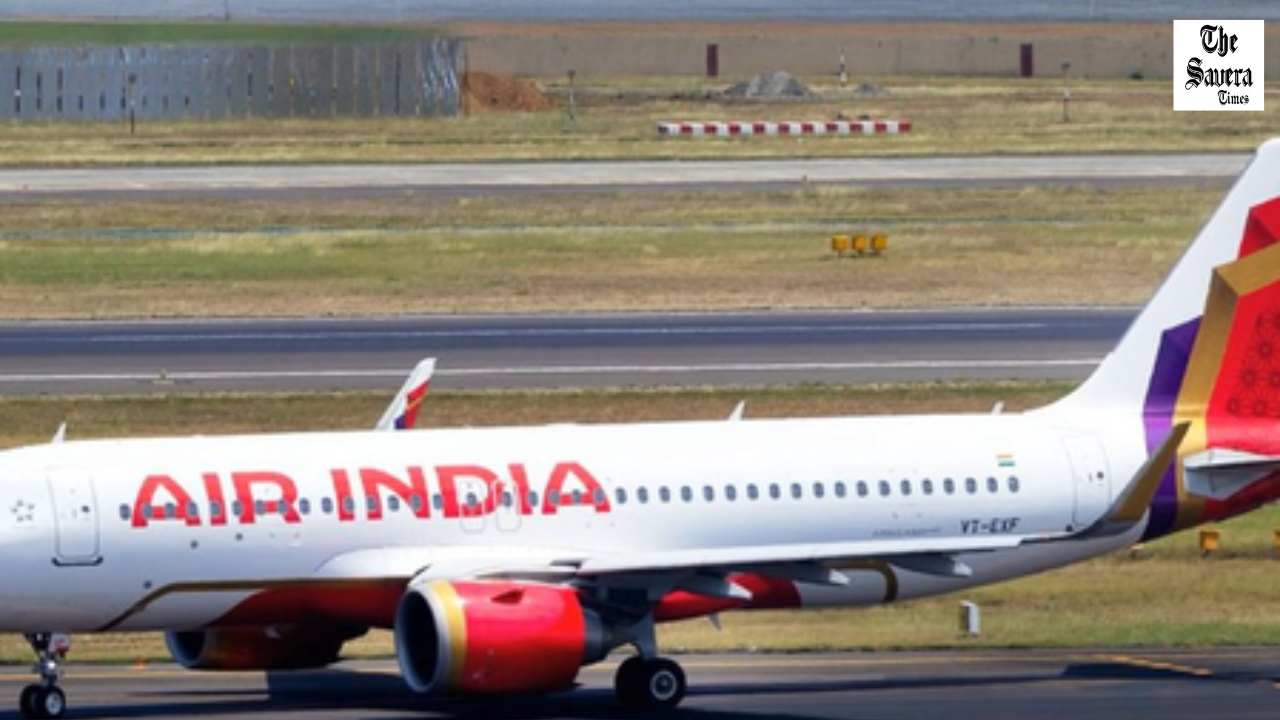
An Air India flight from New Delhi to Tel Aviv was forced to return mid-air on Saturday after Israel closed its airspace following escalating military tensions triggered by preventive strikes on Iran. The decision to turn back was taken in the interest of passenger safety as civilian flight operations were suspended amid the volatile security situation in the region.
The flight AI139, en route from India to Israel’s Ben Gurion International Airport departed from Delhi earlier in the day. However, after entering Middle East airspace, the aircraft was advised to return to India due to closure orders affecting Israeli and surrounding airspace. The closure came amid reports of explosions in Tehran and heightened alarm across the region.
The State of Israel announced pre-emptive military action against Iran on February 28, 2026, marking a significant escalation in tensions between the two countries. Defence sources in Israel described the strikes as necessary to counter perceived threats from Tehran, with planning reportedly coordinated alongside the United States. Explosions were heard in Iran’s capital Tehran as part of the operation, and sirens were sounded in key Israeli population centers.
In response to the security escalation, Israel closed its airspace to civilian traffic, advising airlines and passengers to avoid attempts to enter or use affected flight corridors until the situation stabilizes. Civil aviation authorities also warned of potential disruptions at major airports as the environment remains unpredictable.
Air India confirmed that AI139 was returning to India due to the closure, and the airline apologized to passengers for the inconvenience caused by what it described as an “unforeseen situation”. A spokesperson emphasized that the safety of passengers and crew remained the highest priority in making the mid-air decision to divert. Operations on the Tel Aviv route will be assessed continuously, depending on changes in the security situation.
Reports also suggest the flight may divert to alternative Indian airports such as Mumbai instead of completing the journey back to Delhi, depending on air traffic coordination at the time of landing. This approach helps airlines adjust logistics and manage passenger needs efficiently during crises.
The closure of Israeli and surrounding airspace has broader implications for international aviation, especially for flights crossing the Middle East corridor. Many airlines routinely use airspace over Iran, Iraq, Saudi Arabia, and Israel to connect Europe, Asia, and Africa. With heightened security concerns, carriers may opt for longer alternate routes or temporary suspensions to avoid volatile areas.
Travel advisories have been updated by various civil aviation authorities worldwide, urging passengers to check flight statuses and anticipate possible delays, cancellations, or rerouting. In some cases, flights that were about to land at Israeli airports have been redirected to neighboring countries or returned to their origin points.
For airlines operating from India, the situation underscores the challenge of balancing connectivity with diplomatic and security risks. The Delhi–Tel Aviv route, which resumed regular operations in early 2026 after previous suspensions due to regional conflict, may face intermittent disruptions as tensions escalate.
Passengers aboard AI139 were reported to be calm as cabin crew ensured clear communication about the decision to return. Airline officials will likely assist affected travelers with arrangements for alternative travel plans or refunds, depending on individual ticket conditions and airline policy. Further updates from Air India are expected as the regional situation develops.
For now, the return of the flight signifies the growing impact of geopolitical crises on everyday civil aviation, emphasizing the interconnectedness of global air travel and regional conflicts.
A fire in a hut in Nonapar village of Deoria district claimed three lives, including those of a...

Amit Shah paid tribute to police personnel who died in the line of duty at the National Police...

Reduced water levels at Har Ki Pauri and other Haridwar ghats have inconvenienced pilgrims during the Upper Ganga...

Six people returning from a Dussehra Mela were seriously injured when a car hit them on National Highway...

A bus travelling from Pachiound to Ramnagar fell into a gorge at Gulli Gula in Udhampur district. Nine...
Start your day with The Savera Morning Brief, bringing you the latest news from India and around the...

Aries: The day will be auspicious...