Last Updated: October 21, 2026
Last Updated: October 21, 2026





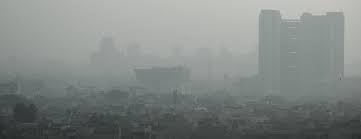
Air pollution has emerged as one of the most pressing public health challenges in Indian cities. Rapid urbanization, increasing vehicle use, industrial emissions, and construction dust contribute to dangerously high levels of particulate matter and toxic gases. According to government data, cities such as Delhi, Varanasi, and Kanpur regularly exceed the World Health Organization’s recommended limits for fine particulate matter (PM2.5), posing severe health risks.
Air pollution has immediate and long-term health effects. Short-term exposure can trigger respiratory issues, eye irritation, and cardiovascular stress, while prolonged exposure increases the risk of chronic conditions such as asthma, lung cancer, heart disease, and stroke. Vulnerable populations, including children, the elderly, and individuals with pre-existing health conditions, are particularly at risk. Studies show that urban air pollution contributes to thousands of premature deaths annually across India.
Transportation is a major contributor. The rising number of private vehicles and older diesel engines adds to nitrogen oxide and carbon monoxide emissions. Construction activity and urban dust further exacerbate particulate pollution. Industrial emissions, including coal-based power plants and brick kilns, add heavy metals and other pollutants into the air. Seasonal factors, such as crop residue burning in northern states, can cause short-term spikes in pollution, leading to emergency health warnings.
Policy interventions are essential. Measures like stricter vehicle emission standards, promotion of electric mobility, and expansion of public transport can reduce urban air pollution. The Graded Response Action Plan (GRAP) in Delhi and surrounding regions, which implements pollution mitigation measures based on air quality levels, has shown promise in lowering particulate concentrations during peak pollution periods.
Public awareness and participation also play a key role. Citizens can reduce emissions by carpooling, using public transport, avoiding open burning, and supporting urban green initiatives. Schools and workplaces promoting indoor air filtration systems and health monitoring programs can further protect vulnerable groups. Community engagement in monitoring and reporting pollution through apps and sensors empowers local action.
Technological innovation can complement policy. Real-time air quality monitoring, satellite-based tracking, and predictive AI models help authorities anticipate pollution spikes and implement preventive measures. Urban planning that integrates green belts, tree plantations, and pollution-absorbing infrastructure can further mitigate the impact on residents.
In conclusion, air pollution in Indian cities poses a significant public health threat, demanding coordinated efforts from governments, industries, and citizens. Sustainable urban planning, technological innovation, and behavioral changes are critical to reducing pollution levels, improving public health, and enhancing the quality of urban life.
We are very proud that at present India is the number one country in the world by surpassing...
Every investor wants the wealth-creating power of equity and the reassuring stability of debt. Balanced Advantage Funds attempt...
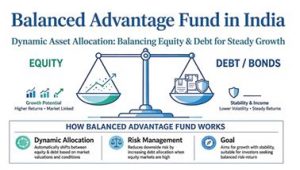
Tourism is a major source of government revenue in our country. There are different types of tourism. Scenic...
Good Evening Viewers! Catch up on the day's biggest stories with The Savera Times Evening Bulletin. Get the...

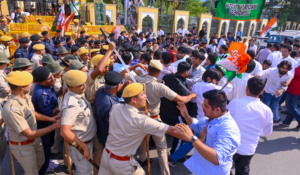
Congress leaders continued their protest outside the Jaipur Police Commissionerate on Tuesday, demanding the registration of a zero...
On the auspicious occasion of Vijayadashami, Prime Minister Narendra Modi on Tuesday called on the countrymen to unite...
Aries: The day will be auspicious...