Last Updated: November 13, 2026
Last Updated: November 13, 2026





-Abhishek Vij
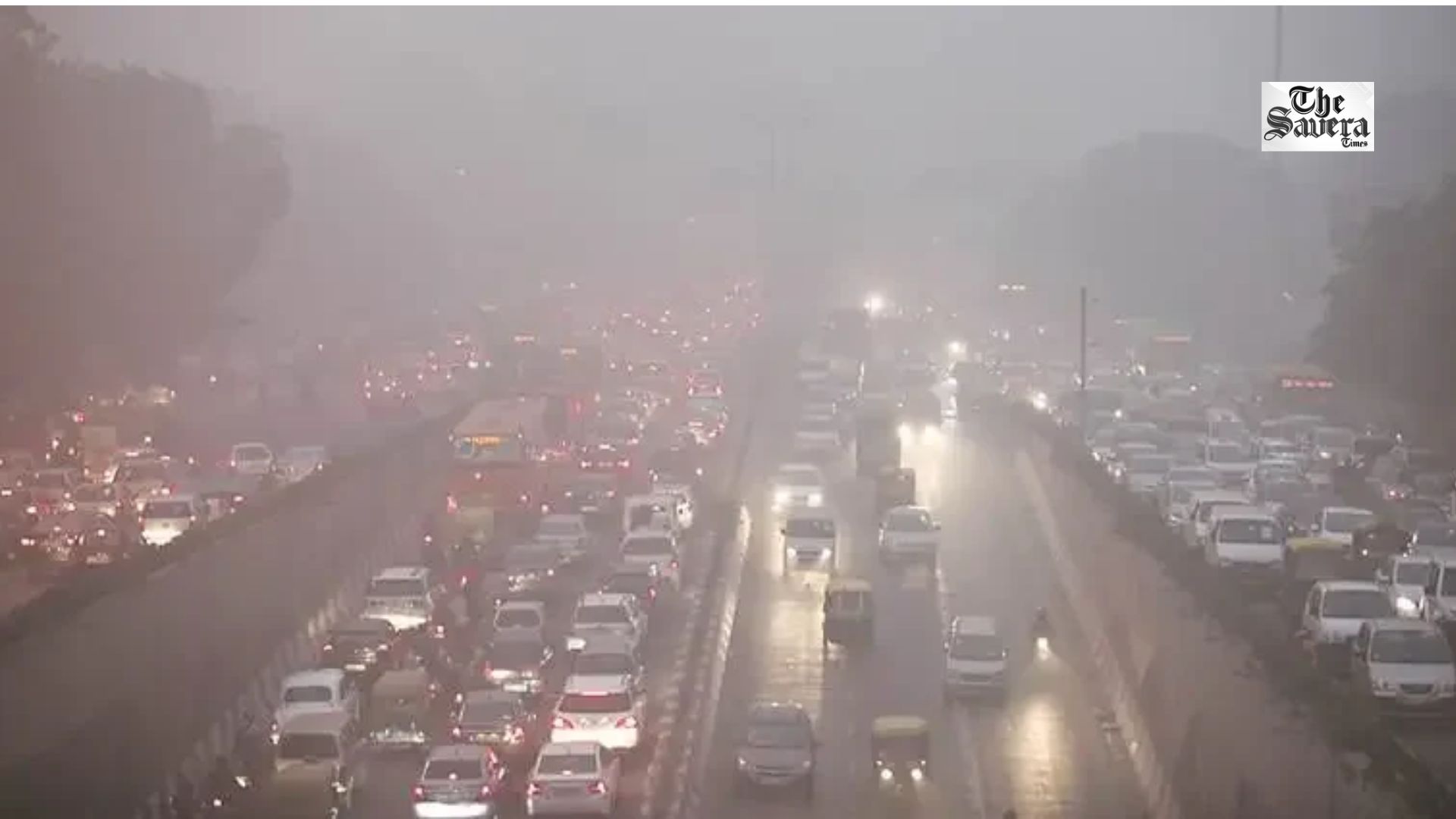
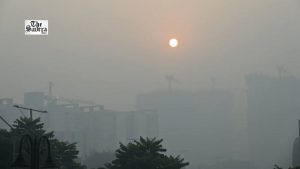
Even after Diwali, air pollution and the diseases it causes continue to persist. Previously, Punjab was easily blamed for this situation, claiming that stubble burning in Punjab had spread to Delhi. However, the latest findings have shown that Punjab itself is a victim of air pollution, so stubble burning cannot be solely blamed for it. While incidents of stubble burning increased during Diwali under the guise of firecrackers, the Punjab government has remained vigilant, collecting fines of ₹72.85 lakh from those burning stubble and filing 938 FIRs against them. However, one estimate suggests that less stubble burning has occurred in Punjab this year compared to last year. Forget about Delhi, Faridkot, Punjab, had an AQI of 605 at 7 pm on Tuesday. Data from AQI.in recently revealed that Sriganganagar in Rajasthan was the world’s most polluted city on Tuesday morning, recording an AQI of 821. Lahore, Pakistan, recorded an AQI of 430, ranking 14th among the most polluted cities. This dire list of cities included three cities from Pakistan and six from China, in addition to India. The challenge now is to wait for rain to reduce the toxicity of air pollution. However, the Meteorological Department says there is no chance of rain until November 15th. In this critical situation, a multifaceted strategy must be developed to combat air pollution. These are extremely dangerous times for children, the elderly, and those suffering from respiratory and heart diseases. Pollution is causing smog and limited visibility in many cities. Polluted air particles are reaching the lungs and causing harm. If this situation persists for a long time, it can lead to the risk of asthma, bronchitis, and lung cancer. Experts have clarified that pollution in metropolitan cities is not only caused by firecrackers and stubble burning, but also by toxic vehicle smoke. India never tires of claiming to become the world’s leading economic power by 2047, the centenary year of independence. However, in response, rich countries say that this very race for development, whether by India or by other third-world countries, has created this widespread air pollution because they have not been able to develop alternative energy, i.e., solar thermal power, along with this progress. This is the reason why we are seeing the result in the form of suffocating air pollution. The University of Cambridge in the UK has stated that air pollution is a global threat and cannot be addressed through limited local politics. It impacts low- and middle-income countries the most. These countries are experiencing rapid urbanization, economic development, and vehicle use. Consequently, air quality is continuously deteriorating. Therefore, it would be inappropriate to limit the problem solely to firecrackers and stubble burning. This neglect has led to a widespread problem. The United Nations assessed the fight against air pollution in 136 countries and found that it was not taken seriously anywhere. Guidelines for improving air quality were not followed, otherwise 9 million lives could have been saved. Isn’t it time to recognize the severity of the problem?
Air pollution levels reached dangerous levels in the national capital, Delhi, on Friday morning. At 7:31 am, Delhi's...
India and Pakistan present two contrasting cases in the fight to eradicate poverty.
~Rakesh Khar In late October, New Delhi hosted the internationally recognised standards body, TIC Council’s first global board...

India ranked 28th in the annual report of Climate Change Performance Index (CCPI), an independent monitoring tool for...
India and the United States are strengthening cooperation to track drugtrafficking networks and prevent chemicals used to manufacture...
Read The Savera Times Evening Wrap for November 12, 2026, featuring the top news from India and around...

Aries: The day will be auspicious...