Last Updated: October 21, 2026
Last Updated: October 21, 2026





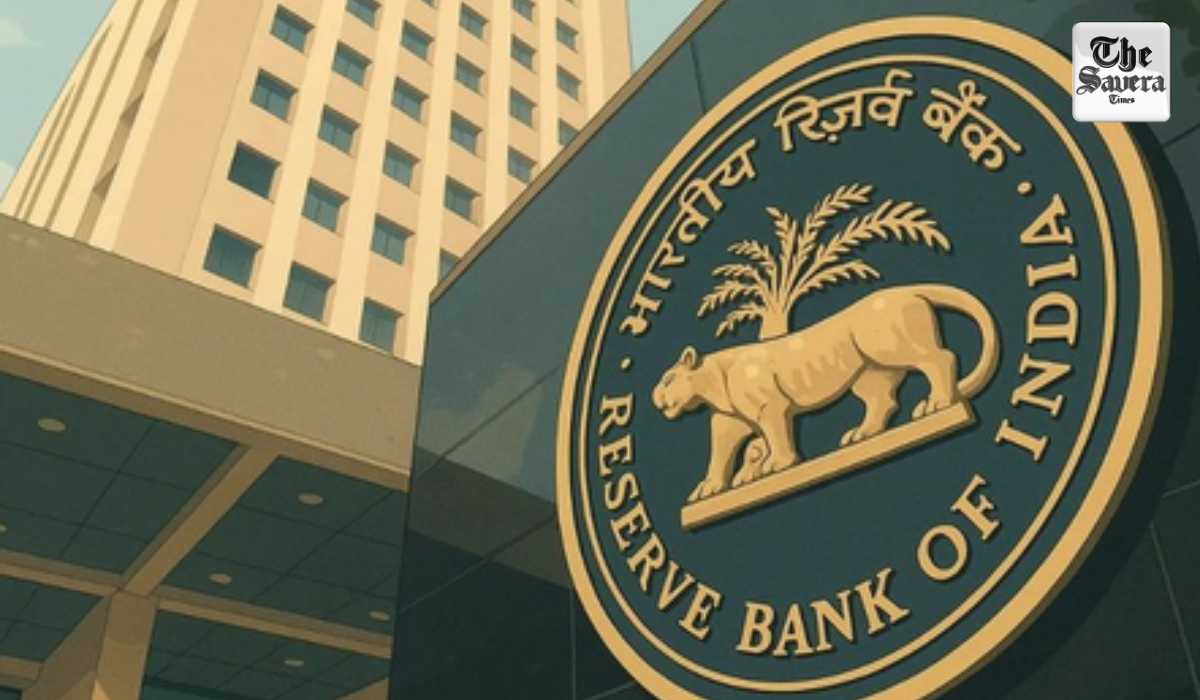
The Reserve Bank of India announces a new monetary policy every two months. Monetary policies are of two types: an accommodative (or loose) policy, where the repo rate and interest rates remain low with the primary objective of boosting investment; and a tight (or restrictive) policy, characterized by credit controls and high repo and interest rates, aimed at curbing inflation by reducing liquidity in the market.
Currently, our monetary policy has two objectives.
Believing that inflation has been brought under significant control, an accommodative credit policy is being adopted to encourage investment. This stance has been evident in the last four bi-monthly monetary policy announcements.
Although inflation has recently spiraled out of control again, the RBI has kept the policy unchanged in the latest announcement. For the fourth consecutive time, the Reserve Bank has maintained the repo rate at 5.25 percent. Consequently, EMIs for home, auto, and other floating-rate loans will not increase.
The RBI last cut the repo rate by 0.25 percent in December 2025. Since then, rather than altering interest rates, the focus has been on maintaining economic stability; such an approach is termed a neutral monetary policy.
Some had speculated that the policy might undergo changes due to rising inflationary pressures. However, the Reserve Bank remains highly optimistic about the country’s economic outlook.
Due to wars and global tensions, the country’s economic growth rate had dipped from 7 percent to 6.6 percent, but it has now been projected to rise to 6.7 percent for the upcoming fiscal year. No significant volatility is anticipated in retail inflation either.
Reserve Bank Governor Sanjay Malhotra stated that the Indian economy remains robust despite these global challenges.
The policy does reflect a few minor changes. The first is the directive that all commercial banks must adhere to uniform and transparent terms and conditions when extending credit.
Secondly, a fee should now be levied on online or UPI payments exceeding ₹2,000. While personal transactions would remain free of charge, large merchants should be charged a fee ranging from 0.25 percent to 0.40 percent for such payments. Small businesses and consumers would continue to be exempt.
Thus, the new monetary policy conveys a message of optimism while maintaining the status quo on interest rates and focusing on economic stability.
Indian stock markets will be closed on Tuesday on the occasion of Dussehra. Trading in key segments on...
Sensex opened 120 points higher on Monday while Nifty edged up slightly. Axis Bank shares fell over 3%...

Th In no time, the price of gold in India has skyrocketed. While gold was priced at ₹50,000...

Delhi protests could put business transactions worth Rs 400 crore at risk daily, according to CAIT. The traders'...

The Sensex gained 3.11 per cent and the Nifty rose 2.77 per cent over the week. Investors will...

Mumbai: Indian equity benchmarks posted a firm recovery, sustaining gains for the second week as investors looked past...

Aries: The day will be auspicious...