Last Updated: November 22, 2026
Last Updated: November 22, 2026





Prioritise disease prevention in foodanimal farming to avoid antibiotic contamination of the food chain and the double burden of drug residues and antimicrobial resistance “Prevention is better than cure.” We have always heard this since childhood. It remains one of the most important public health messages across the world.
During the COVID 19 pandemic, when the world was brought to its knees by a virus, our best defenses were simple: wear masks, sanitise our hands and maintain social distancing. These prevention measures seemed burdensome at the time. Today, they sound like common sense. The lesson is clear: investing in prevention pays dividends. The same principle applies to food production. Preventing the occurrence of disease in poultry, dairy and fish farms reduces the need for antibiotics.
This matters because the excessive use of antibiotics is making them ineffective. The bugs that they are required to treat are increasingly resistant to the medicine. This silent pandemic, known as antimicrobial resistance (AMR), is already claiming lives. We must reduce the use of antibiotics, so that these are “conserved” for critical use.
That means reducing their use in farmed animals as well. The principle rests on three basic pillars: Do not allow use of antibiotics reserved for humans — critically important for human medicine — in animals or agriculture. Restrict the use of antibiotics to therapeutic purposes — when the animal is sick and needs medication — rather than administering these medicines to prevent it. Change farming practices so that disease is prevented in the first place.
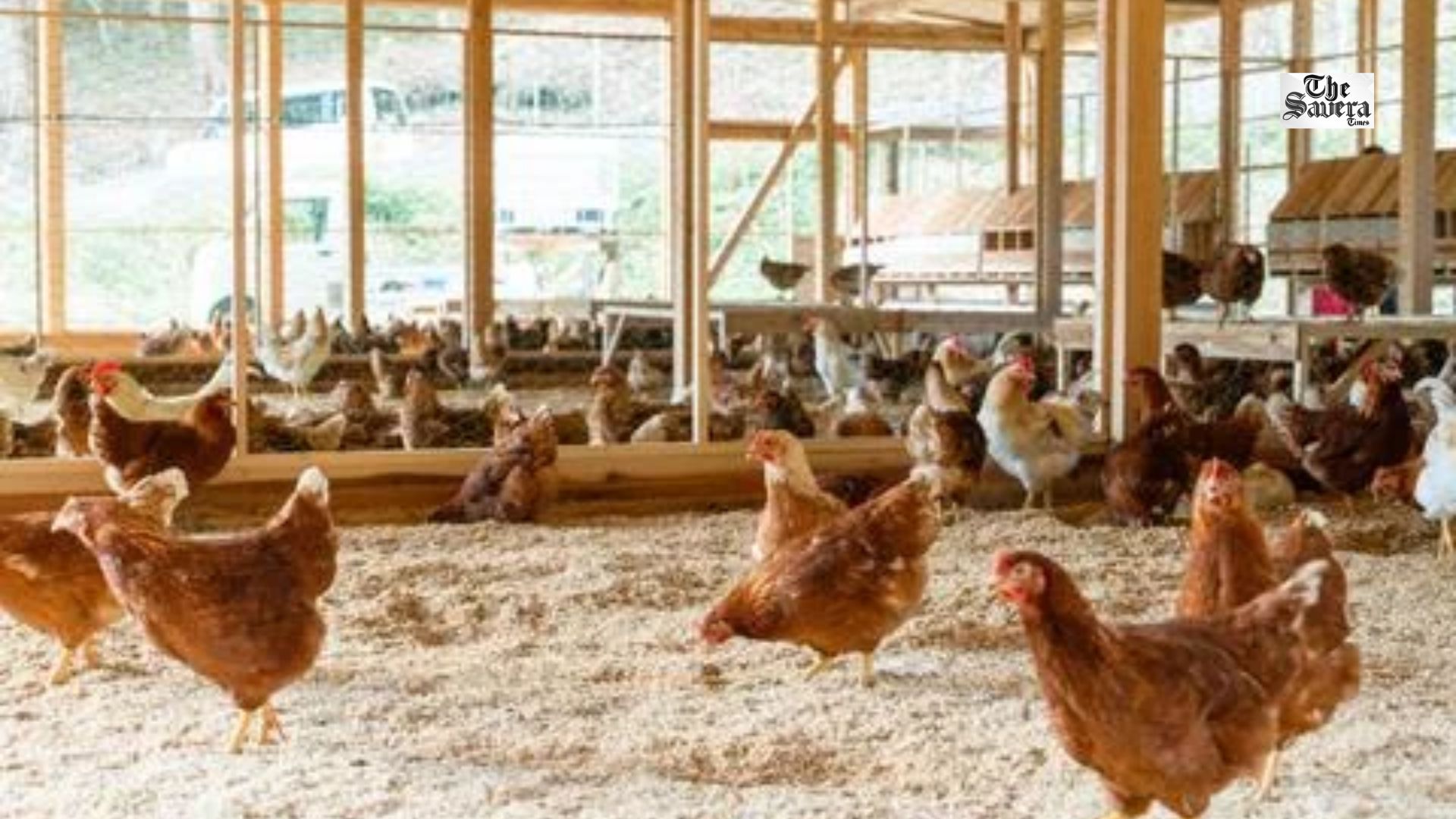
This requires investment in better hygiene, lower stocking densities and improved, resilient breeds. Intensive farming makes disease prevention harder The problem is particularly acute in intensive production systems, where large numbers of chicken or fish are reared at high densities. Unlike many native breeds, industrial varieties are selected primarily for productivity. These industrial varieties lack resilience to handle high temperature, stress due to confined conditions and immunity against infections. The result is more disease and faster transmission, leaving farms dependent on antibiotics.
These antibiotics are meant to treat a bacterial infection and save human and animal lives. They should not become an easy substitute for essentials like clean water, sanitation and sound farm management. I am referring to “real” prevention that is not based on antibiotics. It means implementing biosecurity, farm management, quality feed and nutrition, antibiotic alternatives, rearing resilient breeds, vaccination and waste management.
My colleagues at the Centre for Science and Environment (CSE) call these as “preventionpillars” in our latest reports on freshwater aquaculture and poultry sectors in India. These reports examine gaps in policy and practice across these prevention pillars and recommend ways to mainstream prevention in both sectors in India. What prevention looks like on the ground Take freshwater aquaculture. Our report recommends improving water quality through a national-level “pond health” card scheme, expanding access to quality fish seed, supporting technology-based feed management solutions, scaling up resilient breeds. In poultry, the report makes the case for strengthening rural and backyard production, led by native and improved breeds. Alongside reforms to intensive farming systems, this would reduce dependence on large-scale industrial systems and promote decentralised food production that is sustainable.
From ancient Bhramari breathing to modern scientific research, humming is being explored for its potential role in calming...

Declining childhood vaccination rates, pandemic-related immunity gaps and unequal access to healthcare are fuelling measles outbreaks, threatening decades...
Last night, I walked into a pre-wedding celebration and felt, for a moment, that the moon had come...

Girls are less physically active than boys in almost every country, while global adolescent activity levels have shown...

Efforts to strengthen maternal and child healthcare services through quality antenatal care, timely identification and appropriate management of...

Self-medication has become an increasingly common practice in India, with many people choosing to treat illnesses without consulting...
Aries: The day will be auspicious...