


As warming waters raise the risk of disease and drug resistance, India’s fish and shrimp farms must shift from treating infections to preventing them through better surveillance, biosecurity and nonantibiotic interventions Climate change is already putting India’s fish and shrimp farms under considerable strain. The answer is not to reach for more antibiotics. It is to prevent infections through better surveillance, biosecurity and water management, in keeping with the World Health Organization’s One Health approach. One Health is an integrated approach that seeks to balance the health of people, animals and ecosystems. It is particularly relevant to aquaculture, where environmental conditions, animal health and human health are closely connected. Climate change and antimicrobial resistance (AMR) are often treated as separate problems. In aquaculture, however, they increasingly overlap and reinforce each other. Warming ponds and estuaries create conditions in which pathogens can thrive, infections become more difficult to manage and the consequences of antibiotic misuse can spread beyond the farm. Warming ponds and estuaries create conditions in which pathogens can thrive, infections become more difficult to manage and the consequences of antibiotic misuse can spread beyond the farm. A 2020 study published in Nature Communications analysed 460 studies and 11,274 bacterial isolates from aquaculture systems in 40 countries. It found a strong association between AMR in farmed fish and both temperature and climate vulnerability, with infected animals dying at higher rates in warmer water. The findings have particular significance for India. Its shrimp industry is a major contributor to seafood exports, making it an important source of livelihoods, foreign exchange and food security. AMR in aquaculture bacteria is therefore no longer just a public health issue; it is also a food-security and trade issue. How warming waters fuel resistant infections Warm water is a stressor for aquatic animals and favours opportunistic pathogens. Vibrio species, in particular, are among the commonly reported resistant bacterial pathogens associated with aquaculture. Whether drawn from the sea, estuaries, rivers and groundwaterfed ponds, the water quality of Indian aquaculture is getting affected due to rising temperatures, shrinking river flows and increasingly intense dry spells, linked to climate change, and increasing stress on farmed fish and shrimp. These conditions can make disease outbreaks more difficult to control.
India’s fish farms face double threat from climate change and drug resistance
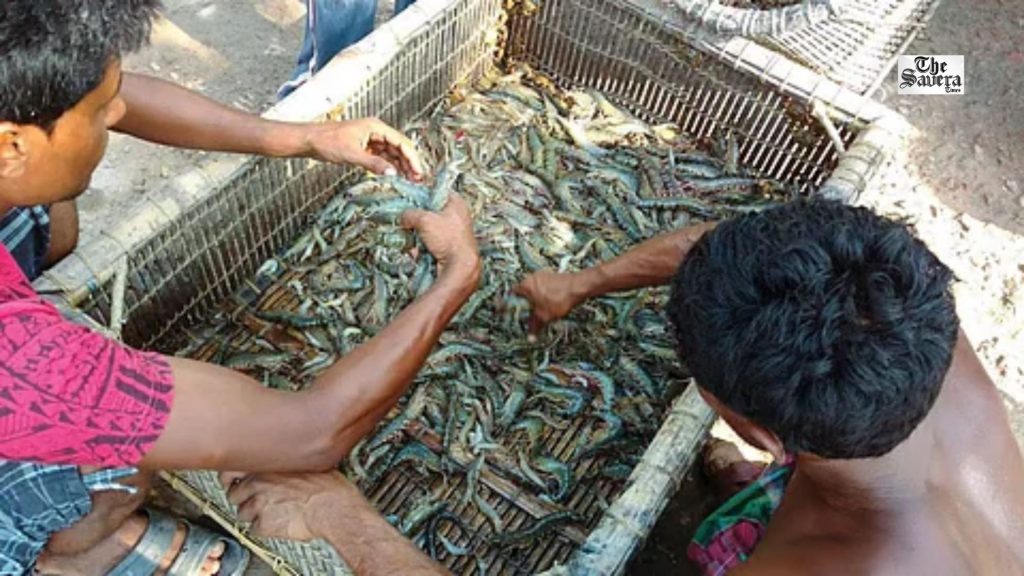
India’s fish farms face double threat from climate change and drug resistance