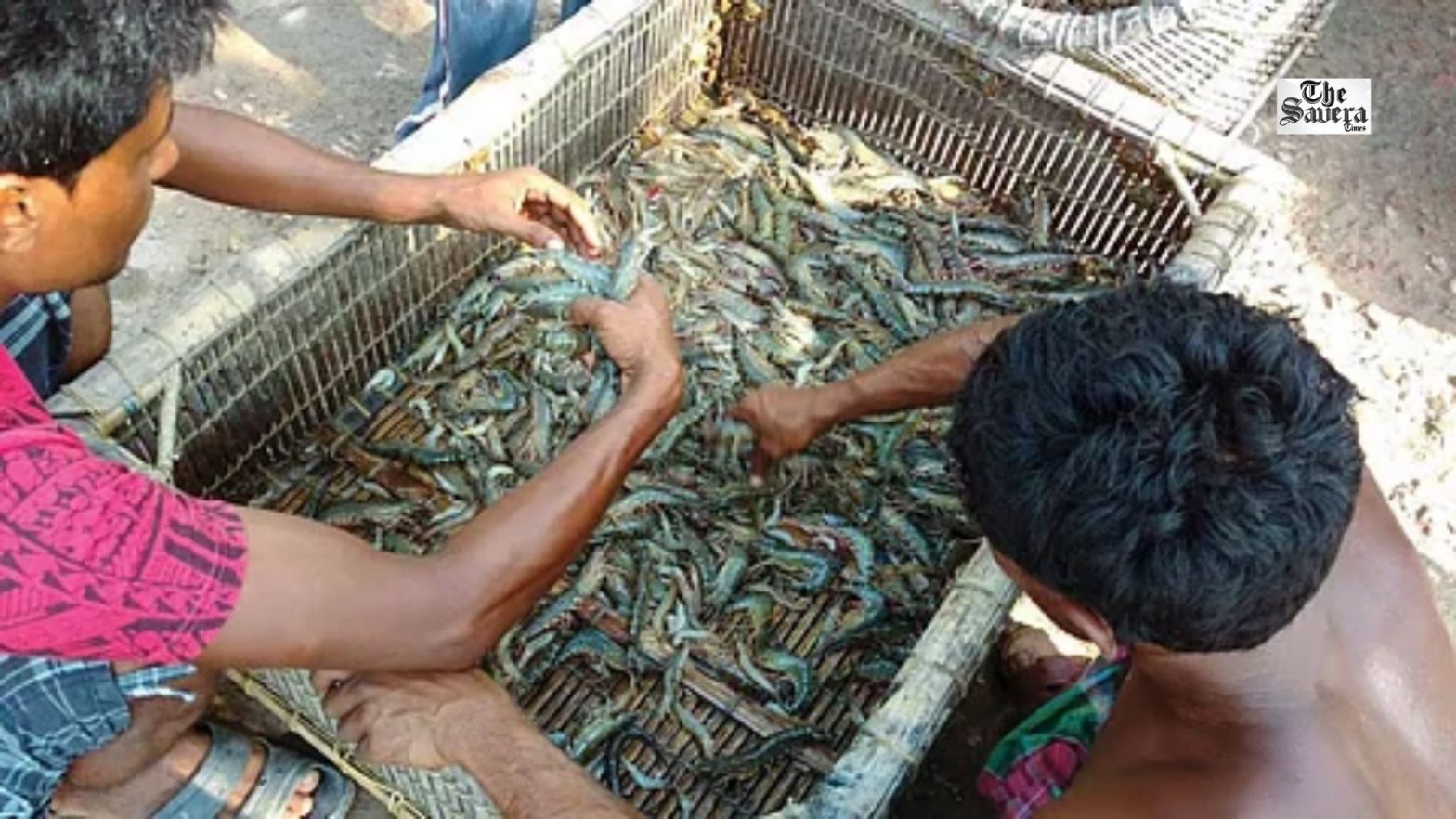
As warming waters raise the risk of disease and drug resistance, India’s fish and shrimp farms must shift from treating infections to preventing them through better surveillance, biosecurity and nonantibiotic interventions Climate change is already putting India’s fish and shrimp farms under considerable strain. The answer is not to reach for more antibiotics. It is.
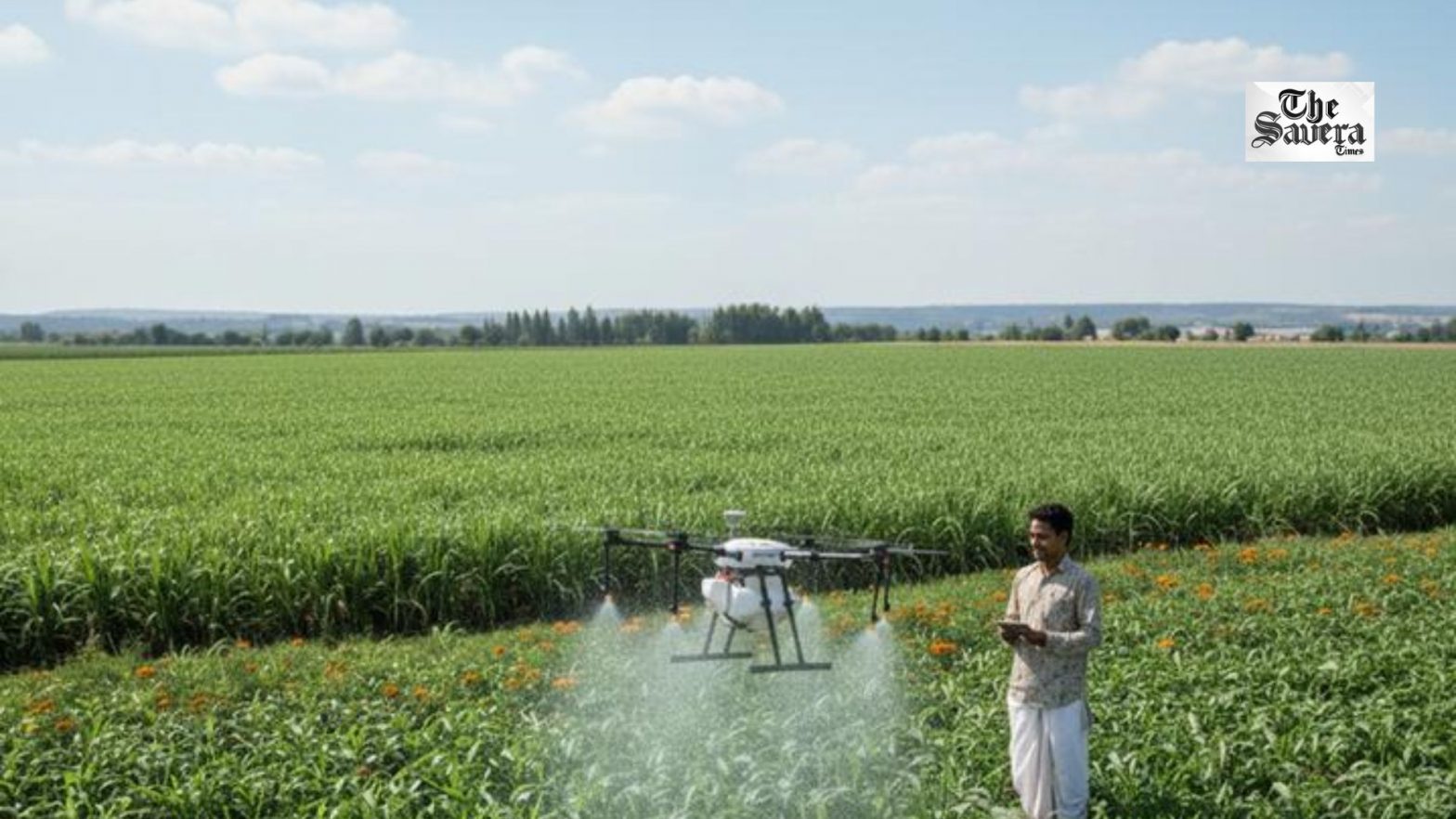
India’s ethanol blending programme, though important for the country’s energy security, is raising risks for food security by reshaping cropping patterns, with farmers increasingly shifting land towards maize and away from pulses and oilseeds. This was what the recent Economic Survey 2025-26 has pointed out. Maize has rapidly emerged as a primary, yet controversial, feedstock.