Last Updated: October 21, 2026
Last Updated: October 21, 2026





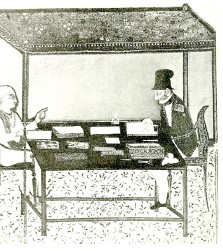
Long before modern environmental debates, the Aravalli hills caught the attention of Colonel James Tod, a British officer and historian who spent nearly two decades in western India during the early 19th century. Stationed in the region known then as Rajputana, Tod developed a deep interest in its landscape, people and past. His writings on the Rajput kingdoms remain influential, not just for their historical detail but also for how they captured the physical character of the land. Among the features that most impressed him was the Aravalli range, which he saw as a defining backbone of the subcontinent.
Tod believed the Aravallis were among the oldest mountain systems on Earth. He described them as once towering formations that had been gradually worn down by time, leaving behind a rugged but enduring chain of hills. Stretching from the northeast to the southwest, the range, in his view, divided the fertile plains from the arid zones and shaped the broader geography of northwestern India. To him, these hills were not merely scenic but deeply significant in understanding how the land had evolved.
One of Tod’s most striking observations was about the Aravallis’ role in holding back the desert. He argued that the range acted as a natural barrier against the spread of sand from the west. Where the hills were broken or lowered, he noted, desert winds and sand could pass through, creating pockets of barrenness even in otherwise productive regions. This idea resonates strongly today, as scientists and environmentalists stress the importance of the Aravallis in checking desertification and influencing rainfall patterns across northern India.
Tod was also fascinated by the geology of the range. He wrote in detail about the rocks and minerals found in the hills, including granite, quartz and slate. The rose-coloured quartz near Ajmer particularly captured his imagination, as did the mineral wealth of regions like Mewar. He recorded the presence of copper and other minerals and noted that mining had been practiced there since ancient times. For Tod, the Aravallis were a record of both geological processes and human history intertwined.
Perhaps his most memorable comparison was calling the Aravallis the “Apennines of India.” By likening them to Italy’s central mountain spine, Tod highlighted their structural and environmental importance. The analogy underscored how the range shaped settlement, climate and ecology across the region.
Today, as the Aravallis face mounting pressure from mining, construction and legal disputes over land classification, Tod’s observations feel remarkably prescient. His writings remind us that these ancient hills are not just terrain to be exploited but a vital, time-worn system that has long protected and shaped the land around it.
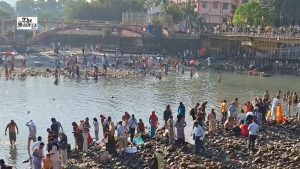
Reduced water levels at Har Ki Pauri and other Haridwar ghats have inconvenienced pilgrims during the Upper Ganga...
Six people returning from a Dussehra Mela were seriously injured when a car hit them on National Highway...

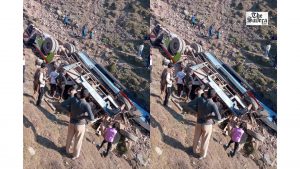
A bus travelling from Pachiound to Ramnagar fell into a gorge at Gulli Gula in Udhampur district. Nine...
Start your day with The Savera Morning Brief, bringing you the latest news from India and around the...

Union Home Minister Amit Shah will pay tribute to police martyrs at the National Police Memorial in New...

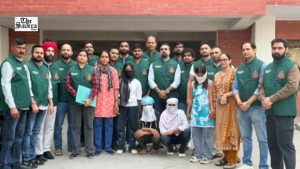
Four more people, including two women, have been arrested in the Tiger Shroff firing case. Delhi Police are...
Aries: The day will be auspicious...