Last Updated: October 15, 2026
Last Updated: October 15, 2026





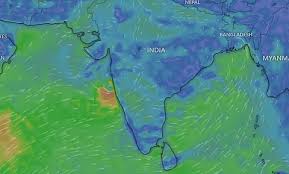
The southwest monsoon brings around 70 per cent of the annual rainfall, or around 870 mm (long period average or LPA) from June to September. IMD forecasts that the 2026 season may only see around 800 mm of rainfall. This could translate to adverse consequences for about 60 per cent farmers in the country reliant on monsoon rainfall for the kharif season.
The probability of a deficient season (rainfall below 90 per cent of LPA) is 35 per cent, more than double the long-term (climatological) probability of 16 per cent. Chances of a below normal season (90-95 per cent of LPA) is 31 per cent, and normal rainfall (96-104 per cent of LPA) is 27 per cent. The long-term probability of below normal rainfall is 17 per cent and of normal rainfall is 33 per cent. The chances of an above normal or excess rainfall are only 6 per cent and 1 per cent respectively.
The major climatic factors that could influence the rainfall are the El Niño Southern Oscillation (ENSO), the Indian Ocean Dipole (IOD) and the snow cover area in the Eurasian region. During the last super El Niño in 2015-16, IMD had predicted a southwest monsoon season with 93 per cent of LPA, which it later revised to 88 per cent. The actual rainfall recorded was 86 per cent of LPA, with widespread drought-like conditions across the country. The upcoming season projections show a similar bleak picture. Barring some regions in the extreme north such as Ladakh, extreme west such as Rajasthan, the Northeast and northern south peninsula such as Telangana, the rest of the country will see deficit rainfall.
The second driver, IOD, is a climatic phenomenon that occurs in the Indian Ocean. During its positive phase, western parts of the Indian Ocean are warmer than normal and eastern parts are cooler than normal, generally supporting good rainfall. These conditions are reversed during the negative phase, generally decreasing monsoon rains. IMD notes a neutral IOD in the Indian Ocean currently, with positive conditions forecast to develop by the end of the SWM. The third major factor is the snow cover over the northern hemisphere, especially the Eurasian region. IMD stated that the northern hemisphere snow cover extent from January to March was slightly below normal, which typically translates to a good monsoon. (Courtesy: DTE)
Singapore: Two Singapore-registered container vessels were reportedly struck by unknown projectiles while transiting the Strait of Hormuz on...

Shimla: The Himachal Pradesh government has constituted a four-member commission to examine the reorganisation of administrative units in...

New Delhi: The Supreme Court on Wednesday listed for November 17 the appeal filed by self-styled godman Asaram...

Ranchi: Doctors in Jharkhand launched a protest on Wednesday over a slew of demands concerning their safety and...

Greater Noida: Police and Anti-Narcotics Team in Uttar Pradesh’s Greater Noida have seized ‘ganja’ worth Rs 1 crore...

New Delhi: The Enforcement Directorate (ED) has attached assets worth Rs 2,032.81 crore belonging to Reliance Power Ltd...
