Last Updated: October 6, 2026
Last Updated: October 6, 2026





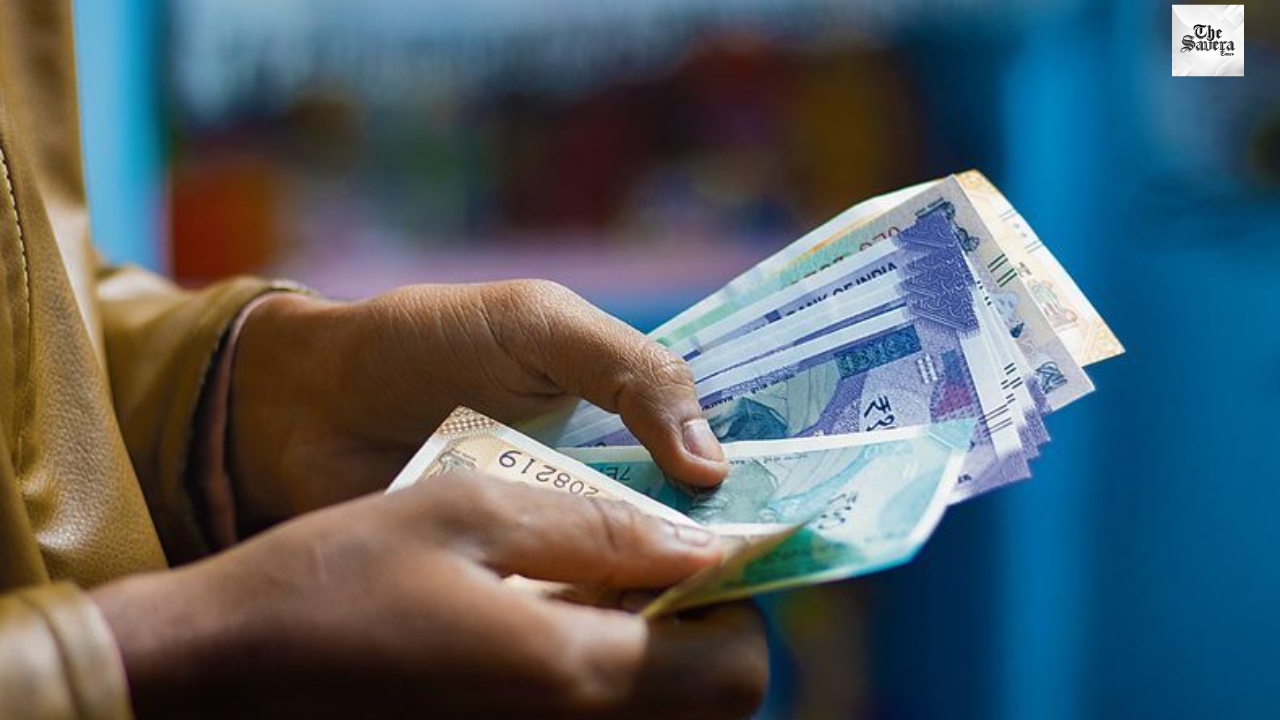
The Central government has announced an increase in commission rates payable to arhtiyas (commission agents) and cooperative societies involved in the procurement of wheat and paddy for the upcoming Rabi marketing season 2026‑27. The move comes as part of routine adjustments ahead of the new procurement cycle, aimed at recognising the role of these intermediaries in the farm procurement process.
Under the revised rates, the commission payable to arhtiyas for procuring wheat in key states has been raised. In Punjab and Haryana, the wheat commission has increased from ₹46 per quintal to ₹50.75 per quintal. In neighbouring Rajasthan, the commission for wheat procurement has been adjusted from ₹41.40 per quintal to ₹45.67 per quintal.
According to officials, these changes reflect consultations between the central government, state representatives, and procurement agencies, aimed at aligning compensation with prevailing market conditions and operational costs.
Alongside wheat, paddy procurement commissions have also been raised. The government increased the rate paid to arhtiyas for paddy from ₹45.88 per quintal to ₹50.61 per quintal. These revisions apply across the procurement zones in the three states most active in the Rabi buying season.
The adjustments are significant because arhtiyas play a key role in supporting farmers during large‑scale government procurement, ensuring grain is delivered efficiently to government storage and distribution agencies.
In addition to commission agents, cooperative societies active in procurement operations will also benefit from increased rates. The commission for wheat procured by cooperative societies has been raised from ₹27 per quintal to ₹29.79 per quintal, while for paddy it has been increased from ₹32 per quintal to ₹35.30 per quintal.
These societies often serve as grassroots channels in rural areas, supplementing government efforts by assisting farmers with logistics, collective selling, and linking produce to central procurement systems.
The government said that the revision follows recommendations of a sub‑committee comprising representatives from the Food Corporation of India (FCI), state governments, and the Department of Food and Public Distribution. The panel reviews commission structures to ensure that rates are fair, reflect market dynamics, and support seamless procurement operations.
For procurement carried out at modern storage silos, the commission framework will continue to follow existing policy, with rates set at 50 per cent of the applicable mandi (market) rates.
The procurement of wheat and paddy under government‑run minimum support price (MSP) schemes is heavily reliant on arhtiyas and cooperative societies. These intermediaries facilitate transactions between farmers and procurement agencies, help with on‑the‑ground operations, and often manage logistical challenges in rural procurement zones.
In states like Punjab and Haryana, where wheat and paddy production is substantial, arhtiyas and cooperative supply agencies ensure that farmers receive timely payments and that stock flows efficiently into government‑controlled storage systems.
While official reaction has been largely procedural, farmer groups and intermediary organisations have welcomed the move as a necessary adjustment that recognises increased costs and operational burdens. Some market observers also noted that the higher commissions might improve participation and efficiency during peak procurement season.
The JDA has launched an anti-encroachment drive on New Sanganer Road in Jaipur, targeting illegal constructions linked to...
Jaipur: Rajasthan will hold its 2026 Panchayati Raj elections in four phases, with voting beginning on October 23 and...
Since taking charge as Mayor of the Jaipur Municipal Corporation, Sunil Kothari has stepped up field inspections of...
Sabarkantha Police seized 967 cannabis plants weighing 345.6 kg and valued at ₹1.72 crore from a farm in...

Rajasthan ACB arrested a Railway Senior Section Engineer and two Jaipur Discom officials in a ₹10,000 bribery trap...

Jaipur: Rajasthan Police arrested three men from Madhya Pradesh in connection with the alleged recording and circulation of...