Last Updated: October 21, 2026
Last Updated: October 21, 2026





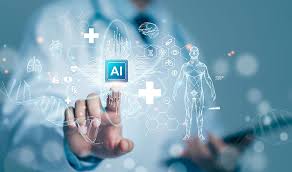
Artificial intelligence (AI) is transforming healthcare worldwide, offering unprecedented opportunities to improve diagnosis, treatment, and patient care. From predictive analytics to robotic surgeries, AI applications are redefining medical practices, optimizing healthcare systems, and potentially saving millions of lives. However, alongside the promise of AI, challenges related to ethics, accessibility, and accountability remain significant.
One of the most promising applications of AI in healthcare is diagnostics. Machine learning algorithms can analyze complex medical data, including imaging scans, pathology reports, and genetic information, to detect diseases earlier and with greater accuracy than traditional methods. For example, AI-powered systems can identify cancerous lesions in radiology images with remarkable precision, reducing diagnostic delays and improving treatment outcomes.
Predictive analytics is another area where AI demonstrates immense potential. By processing large datasets of patient records, AI can forecast disease progression, identify at-risk populations, and recommend preventive interventions. Hospitals can optimize resource allocation, anticipate patient inflow, and reduce operational inefficiencies, ultimately improving patient care and cost-effectiveness.
AI also enhances personalized medicine. Algorithms can analyze individual patient profiles, including genetics, lifestyle, and treatment history, to recommend tailored therapeutic plans. This approach increases the efficacy of treatments, minimizes adverse effects, and supports informed decision-making. In chronic diseases like diabetes, heart disease, and neurological disorders, AI-powered monitoring devices can track patient health in real-time, alerting healthcare providers to potential complications.
Telemedicine, combined with AI, expands healthcare accessibility, particularly in remote or underserved regions. Virtual consultations, symptom checkers, and AI-driven triage systems provide timely guidance to patients, reducing the burden on hospitals and clinics. During the COVID-19 pandemic, AI-assisted telehealth services proved instrumental in managing patient care while minimizing infection risk.
Despite its benefits, AI adoption in healthcare raises ethical and operational concerns. Data privacy, algorithmic bias, and accountability for errors are pressing challenges. AI models require high-quality data to function effectively, but discrepancies in healthcare datasets can lead to unequal treatment outcomes. Decisions made by AI must remain transparent, and human oversight is critical to ensure ethical and accurate medical interventions.
Moreover, integration of AI into healthcare infrastructure requires investment in training, technology, and regulatory frameworks. Healthcare professionals need to understand AI tools, interpret their recommendations, and maintain the human element of care. Policymakers must establish standards for data security, algorithm validation, and patient consent to balance innovation with responsibility.
In conclusion, AI has the potential to revolutionize healthcare by enhancing diagnostics, personalizing treatment, and expanding accessibility. Yet, the success of AI in medicine depends not only on technological advancements but also on ethical governance, regulatory frameworks, and skilled human oversight. With careful implementation, AI can complement human expertise, transforming healthcare into a more efficient, equitable, and patient-centered system.
We are very proud that at present India is the number one country in the world by surpassing...

Every investor wants the wealth-creating power of equity and the reassuring stability of debt. Balanced Advantage Funds attempt...

Tourism is a major source of government revenue in our country. There are different types of tourism. Scenic...

Good Evening Viewers! Catch up on the day's biggest stories with The Savera Times Evening Bulletin. Get the...

Congress leaders continued their protest outside the Jaipur Police Commissionerate on Tuesday, demanding the registration of a zero...

On the auspicious occasion of Vijayadashami, Prime Minister Narendra Modi on Tuesday called on the countrymen to unite...
Aries: The day will be auspicious...