Last Updated: October 13, 2026
Last Updated: October 13, 2026





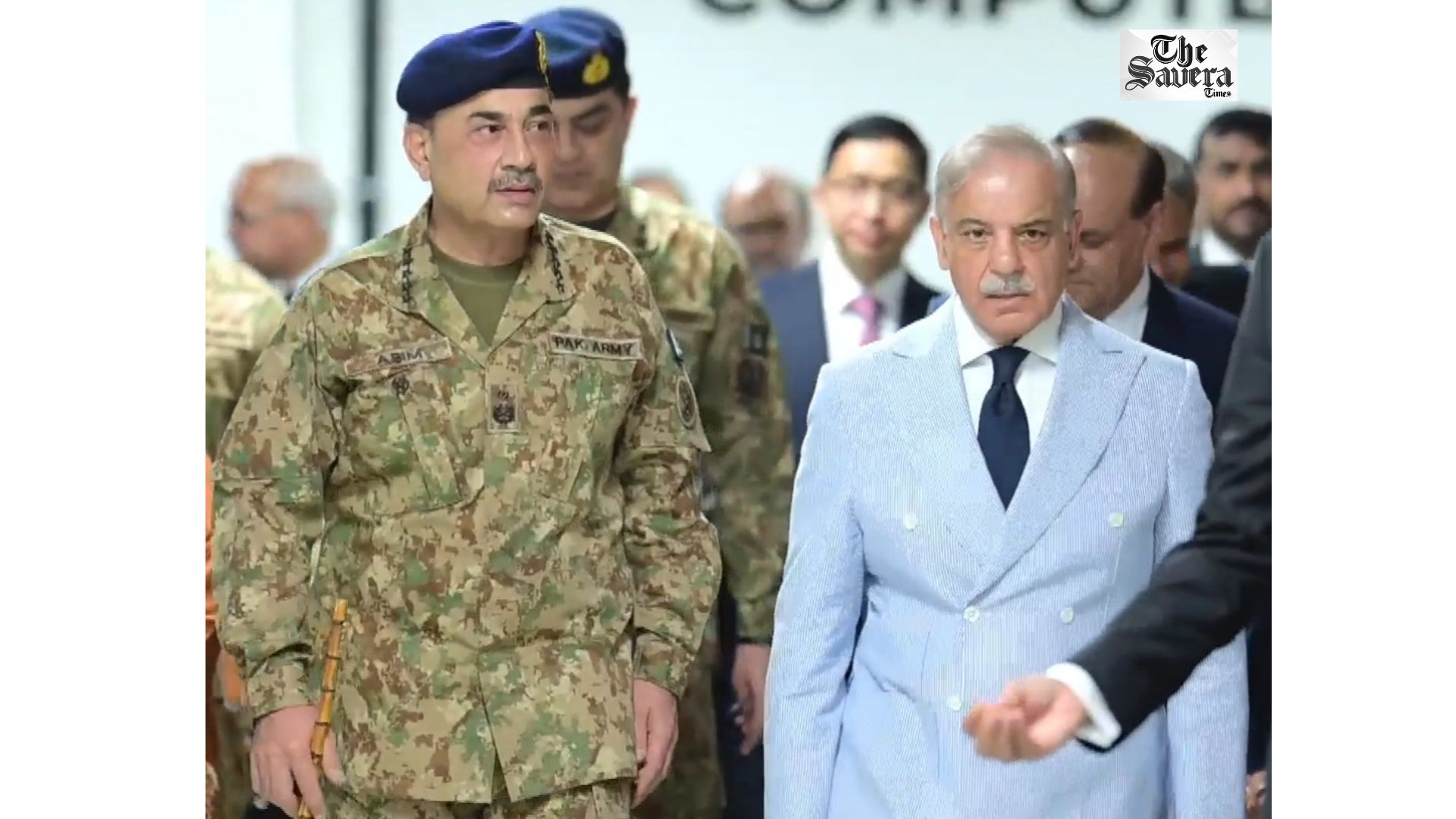
Pakistan’s internal political and security situation has continued to deteriorate even as the country’s politicosecurity elites seek to project themselves as peacemakers in the ongoing Middle East crisis. With no signs of meaningful growth and development in the domestic economy, the country’s two provinces — Balochistan and Khyber Pakhtunkhwa, along with Pakistan-occupied Jammu and Kashmir (PoJK), remain deeply troubled.
The Baloch Liberation Army (BLA) in Balochistan and Tehreek-e-Taliban Pakistan (TTP) in Khyber Pakhtunkhwa intensified their attacks on military installations, leaving Pakistan’s security establishment increasingly under pressure in both provinces. Additionally, violent protests and clashes have gripped PoJK, where the Joint Awami Action Committee (JAAC) has locked horns with Islamabad over several issues. The geopolitical shifts triggered by the Middle East crisis, the report stated, have provided Pakistani Army Chief Asim Munir with an opportunity to consolidate his power while diminishing the influence of Pakistan’s civilian leadership.
His position was further strengthened after he found favour with US President Donald Trump, who has referred to him as his “favourite Field Marshal”. With greater confidence and international visibility, it said, Munir pursued sweeping changes to Pakistan’s system, further weakening the country’s democratic and constitutional institutions. Notably, he was instrumental in facilitating the passage of the 26th and 27th Constitutional Amendments in both Pakistan’s National Assembly and the Senate.
The 26th Constitutional Amendment allowed a parliamentary committee to appoint the Chief Justice of Pakistan, overlooking the seniority principle. This was followed by new legislation to ensure a favourable balance in the higher judiciary by increasing the number of judges in the Supreme Court from 17 to 34 and in the Islamabad High Court from 9 to 12. It also increased the tenures of all armed services chiefs from three to five years. It was akin to giving Asim Munir an extension before his original tenure was set to end.
The recent political, legal and constitutional moves have undoubtedly strengthened Asim Munir’s grip on the country’s political system and undermined important democratic institutions, including parliament and the judiciary. However, it has also inadvertently led to significant unease within society, as people’s hopes for good governance, economic growth, and development have remained unfulfilled. The military in Pakistan is an imageconscious institution, as it knows very well that with a dented image it may not be in a position to dictate terms.
The present Pakistan Muslim LeagueNawaz (PML-N) and Pakistan People’s Party (PPP)-coalition government is completely dependent on Munir for its survival, who currently holds the dual offices of Chief of Defence Forces (CDF) and Chief of Army Staff (COAS). The Shehbaz Sharif-led civilian dispensation “appears to be crawling” before Munir amid his growing grip over the country’s political system
As the United States and China intensify their competition for leadership in artificial intelligence (AI), a new study...

The storm that the Jantar-G-G stirred with young people at Jantar Mantar, the designated protest site in India's...
Nepal's iconic Annapurna Circuit is showing signs of recovery after weeks of disruption caused by floods, landslides, and...

While China may not be the largest provider of development finance to the Pacific island nations, it has...

A shooting occurred at a school in the French city of Aubagne on Monday.

A Pakistani Army training aircraft crashed near Quetta, the capital of Pakistan's Balochistan province, on Monday.
Aries: The day will be auspicious...