Last Updated: October 3, 2026
Last Updated: October 3, 2026





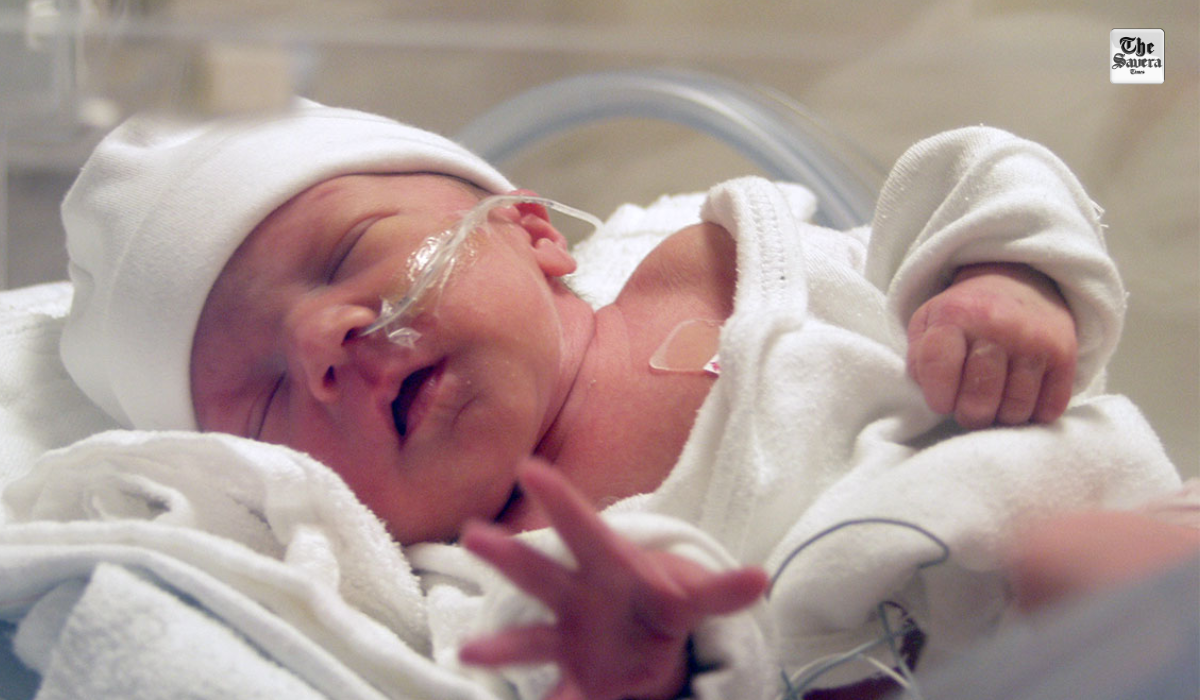
Canberra: Australian researchers have discovered a biological process that may help explain the cause of stillbirth in some cases and pave the way for early detection and prevention.
Premature Aging of the Placenta During Pregnancy
The study revealed that the placenta, which acts as a lifeline between mother and baby, may age faster than necessary during pregnancy. This impacts its ability to nourish the baby and increases the risk of stillbirth. This information was provided in a media release issued by Flinders University in Australia on Monday.
Role of Circular RNA Revealed
Research led by Flinders University found that molecules called circular RNA, which normally accumulate in aging tissues, begin accumulating in the placenta much earlier than expected in cases of stillbirth. This leads to cell damage and premature cellular aging.
This premature aging reduces the placenta’s ability to support the growing baby, increasing the risk of stillbirth. The study was published in the *American Journal of Obstetrics and Gynecology, reports Xinhua News Agency.
Potential for Early Detection and Prevention
Researchers found that placentas in cases of stillbirth appear biologically older than their gestational age, with higher levels of DNA damage, cell structural damage, and circular RNA. This information was provided by lead author Anya Arthurs of the Flinders Health and Medical Research Institute.
He said, “When we reduced one of these molecules in placental cells, the damage slowed and aging was delayed. This proves that these molecules are not mere bystanders, but active drivers of this process.” He also explained that some of these circular RNAs can be measured in a mother’s blood as early as 15 to 16 weeks of pregnancy, opening up the possibility of early detection.
According to the researchers, approximately 2 million pregnancies worldwide end in stillbirth each year, but progress towards prevention has been limited because the molecular aging of the placenta is not visible under a microscope.
He said that this research could lead to the development of new screening tools to prevent stillbirths and could also help understand other aging-related processes, such as Alzheimer’s.
Imagine being seriously injured inside a flying aircraft, with blood on your clothes, passengers in panic and the...

More than 800 historical documents from Nepal, including some dating back to the 13th century, have been repatriated...

Indian jurist Bimal Patel has assumed office as a judge of the International Tribunal for the Law of...

A 2024 alleged gang rape at Cornell University has resurfaced after a civil lawsuit filed by the alleged...

Israel’s premier carrier El Al announced that repatriation flights intended to transport stranded citizens back from Dubai have...

US President Donald Trump warned that Iran would be hit “very hard” if Tehran is found to be...

Aries: The day will be auspicious...