Last Updated: October 17, 2026
Last Updated: October 17, 2026





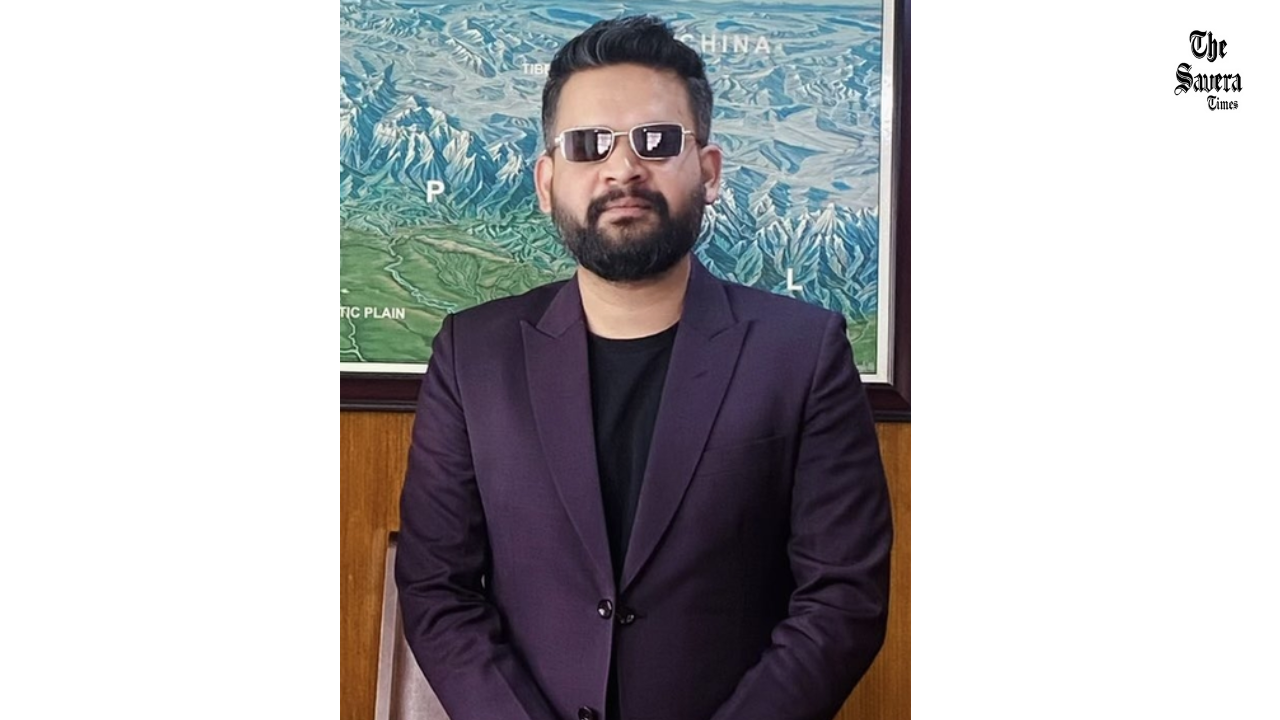
Nepal’s political landscape is witnessing a major shift as the Rastriya Swatantra Party (RSP) led by Balendra Shah has taken a commanding lead in the proportional representation vote count in the ongoing parliamentary elections. Early trends suggest the party could secure a supermajority in the country’s 275-member House of Representatives, marking a dramatic change in Nepalese politics.
The election is the first national vote held after the 2025 youth-led protests that forced the previous government to resign, creating widespread demand for political reform and accountability.
According to preliminary data released by Nepal’s Election Commission, the RSP has secured a clear lead in both the direct constituency contests and the proportional representation (PR) vote, giving the party a strong chance of forming the next government.
The proportional representation system allocates 110 out of the 275 parliamentary seats based on the share of votes received by political parties nationwide. In the early stages of counting, the RSP has secured more than half of the ballots counted, significantly outperforming traditional rivals.
Initial figures show the party receiving around 56 percent of the votes counted in the PR category, while the Nepali Congress and other established parties are trailing far behind.
Political analysts say that if the trend continues, the RSP could secure enough seats through both direct elections and proportional representation to achieve a supermajority, enabling it to push major legislative reforms.
Apart from the proportional vote, Balen Shah’s party is also performing strongly in the First Past-The-Post (FPTP) system, which elects 165 lawmakers directly from constituencies.
Early results indicate the RSP has already won multiple seats and is leading in dozens of constituencies across the country, far ahead of traditional parties such as the Communist Party of Nepal (Unified Marxist–Leninist) and the Nepali Congress.
The surge reflects a growing public desire for political change, especially among younger voters who have rallied behind Shah’s anti-corruption and reform agenda.
The rapid rise of the RSP marks a historic moment in Nepal’s politics. The party, which gained prominence during the anti-government protests, has positioned itself as a reformist alternative to traditional political forces that have dominated the country for decades.
Balendra Shah, a former mayor of Kathmandu and a well-known rapper before entering politics, has become a symbol of this political transformation. His campaign has heavily relied on social media and grassroots mobilization, particularly among young voters frustrated with corruption and governance failures.
Experts say the current election represents a generational shift in Nepal, where new political actors are challenging the dominance of long-established leaders.
One of the most closely watched battles in the election is the contest between Balendra Shah and former prime minister K. P. Sharma Oli in the Jhapa-5 constituency.
Early trends show Shah holding a significant lead over Oli, indicating a potential upset in one of the veteran leader’s traditional strongholds.
If the trend continues, Shah could emerge not only as the leader of the largest party but also as a strong contender for Nepal’s next prime minister.
The 2026 elections are widely seen as a referendum on Nepal’s political establishment. Years of political instability, corruption scandals and economic challenges have led many voters to seek alternative leadership.
The youth-led protests that erupted in 2025, resulting in dozens of deaths and the resignation of the government, played a significant role in shaping the current political climate.
With millions of young voters participating in the election, analysts believe the results could reshape Nepal’s political future for years to come.
Vote counting is continuing across the country, including ballots from remote mountainous regions that are being transported to counting centres by helicopter. Final results for the parliamentary election are expected within the next few days.
If the current trends hold, the Rastriya Swatantra Party could secure a historic mandate and potentially form a government with an overwhelming majority, marking a new chapter in Nepal’s democratic journey.
Nepal is seeking substantial financial assistance from India ahead of Prime Minister Balendra Shah’s proposed visit to New...
The race to succeed Antonio Guterres remains uncertain after three leading candidates faced opposition from two permanent members...

Democratic lawmakers have criticised Donald Trump for waiving key sanctions and tariff provisions under the Graham Act, citing...

Shipping Minister Sarbananda Sonowal confirmed that all 24 Indian seafarers aboard two vessels struck in separate incidents in...

Katie Zacharia has left her role as White House press secretary less than a week after her appointment....

US President Donald Trump has praised Kaylub Giamanco for intervening during a shooting at Silver Rail Elementary School...
Aries: The day will be auspicious...