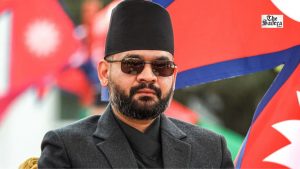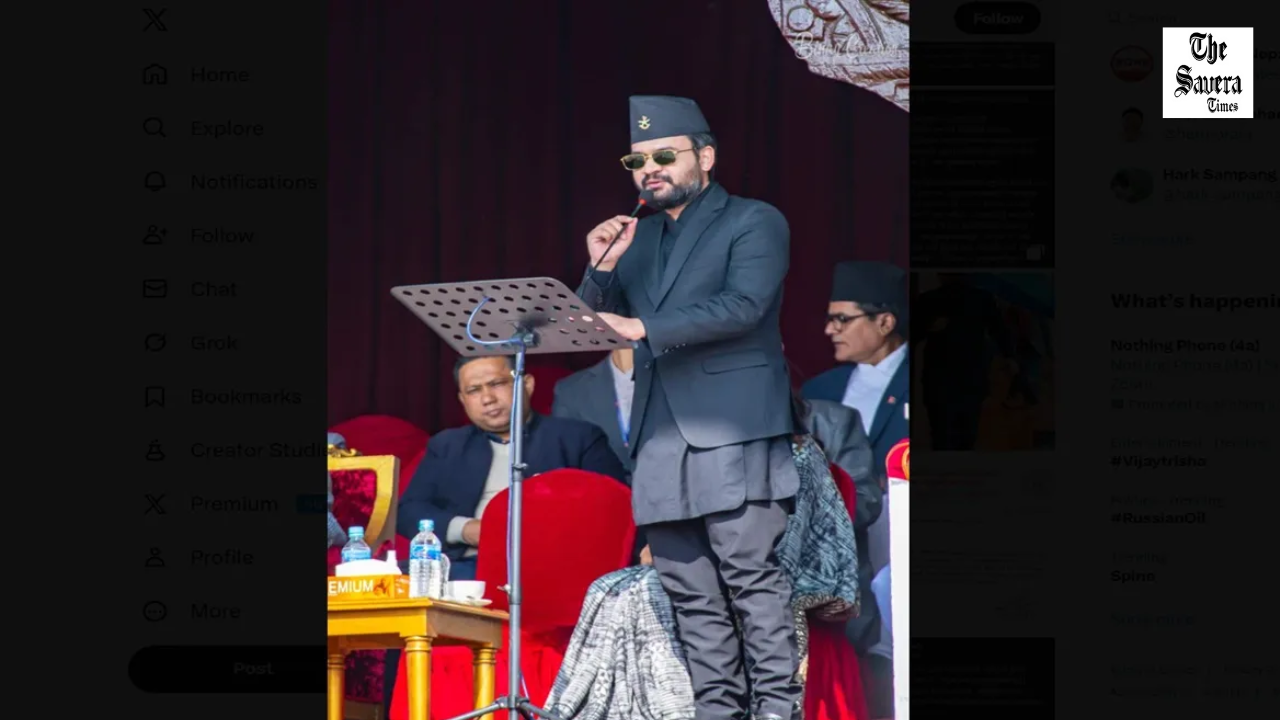
The rise of Balen Shah in Nepal’s political landscape has captured national and international attention. Known widely as a rapper, structural engineer, and former mayor of Kathmandu, Shah has emerged as one of the most influential young political figures in the country. His unconventional journey from music and engineering to governance and national politics represents a generational shift in Nepal’s leadership and political culture.
At just 35 years old, Shah has become a symbol of change, particularly among young voters who are frustrated with traditional political elites and corruption.
Early Life and Career
Born in Kathmandu in 1990, Balen Shah, whose full name is Balendra Shah, initially pursued a career in engineering. He trained as a structural engineer and completed higher studies in the field before entering public life.
However, Shah first gained popularity as a rapper in Nepal’s hip-hop scene. Beginning around 2012, his music often addressed social issues such as corruption, unemployment, inequality, and the struggles of ordinary Nepalis.
Through politically charged lyrics and social commentary, he built a large following among young people. His songs criticizing political corruption resonated strongly with Nepal’s youth and gradually helped shape his public image as a voice for change.
Breakthrough in Kathmandu Politics
Shah entered politics in 2022 when he decided to run for mayor of Kathmandu as an independent candidate. At the time, his decision surprised many observers because he had no traditional political backing.
Despite facing candidates from major political parties, Shah secured a historic victory and became the 15th mayor of Kathmandu. His win was seen as a major upset that reflected growing public frustration with established political leaders.
As mayor, he focused on improving waste management, enforcing urban planning rules, and increasing transparency in local governance. His administration introduced measures such as live broadcasts of municipal meetings and stricter enforcement of building regulations.
However, some of his actions including demolition drives against illegal structures and crackdowns on street vendors also attracted criticism from activists and political opponents.
Transition to National Politics
In January 2026, Shah resigned as mayor to pursue a larger role in national politics. He joined the Rastriya Swatantra Party and was projected as a key candidate in Nepal’s parliamentary elections.
His campaign has focused on anti-corruption reforms, economic development, and empowering young citizens in governance. Analysts say his popularity among younger voters has given his campaign significant momentum.
Many supporters view Shah as a symbol of a new political era in Nepal, challenging the dominance of long-established political parties.
Youth Support and Political Impact
Shah’s appeal largely stems from his strong connection with the younger generation. His background in music, active use of social media, and outspoken criticism of corruption have helped him build a loyal base among students and urban youth.
Observers note that Nepal’s demographics where a large portion of the population is under 35 have played a major role in amplifying his influence. For many young voters, Shah represents the possibility of modern leadership and reform-oriented politics.
His rise also reflects a broader global trend where outsiders from fields like entertainment, activism, or technology are entering politics and challenging traditional leadership structures.
Symbol of Political Change
The journey of Balen Shah from rapper to engineer, mayor, and national political contender highlights a remarkable transformation in Nepal’s political environment. His success illustrates how new voices and unconventional leaders can reshape public discourse and electoral politics.
Whether Shah ultimately succeeds at the national level remains to be seen, but his rapid rise has already made him one of the most talked-about figures in South Asian politics.
For many supporters, he represents hope for a more transparent, accountable, and youth-driven political future in Nepal.