Last Updated: October 29, 2026
Last Updated: October 29, 2026





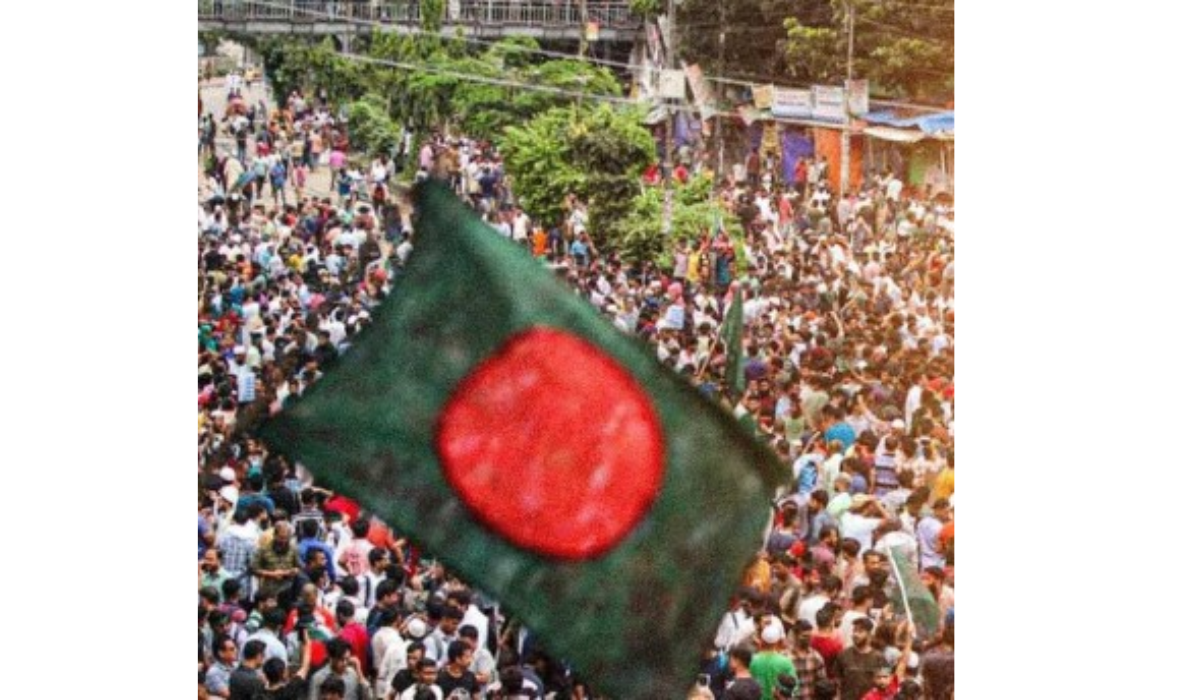
Bangladesh was founded on the ideals of linguistic identity, secularism, and democratic pluralism following its Liberation War in 1971. Its Constitution promised equal rights to all citizens, irrespective of religion. However, recent developments have raised fresh concerns over the condition of the country’s religious minorities, particularly the Hindu community.
The suspension of the proposed 82-foot Lord Ram statue at a temple complex in Palashbari, Gaibandha, has become a symbol of these concerns. The statue, being built alongside the historic Sri Radha Govinda Temple and Kali Temple, was reportedly around 80 per cent complete before authorities halted construction. Many members of the Hindu community viewed the project as an important cultural and religious landmark, especially in the aftermath of the 2021 Durga Puja violence and subsequent attacks on minority institutions.
The controversy deepened after Haridas Chandra Tarani Das was arrested on allegations of money laundering and sentenced to one year in prison. According to the organisation JusticeMakers Bangladesh in France (JMBF), the suspension of the Ram statue project followed pressure from Islamist groups, threats of communal unrest, and concerns over minority security.
For many observers, the issue extends beyond a single religious monument and reflects broader anxieties about the shrinking civic and political space available to Bangladesh’s Hindu minority. Hindus, who constituted over 22.8 per cent of the population at the time of Partition in 1947, now account for approximately 7.3 per cent of the country’s population.
Political developments following the departure of former Prime Minister Sheikh Hasina in August 2024 have further intensified these concerns. The Bangladesh Hindu Buddhist Christian Unity Council has reported more than 3,200 incidents of violence against Hindus between August 2024 and June 2026, including attacks on 200–300 homes and businesses and 15–20 temples. Among the most recent incidents was the demolition of a 500-year-old temple in Noakhali.
International human rights organisations have also expressed concern. Amnesty International called on Bangladesh’s interim government to conduct swift, impartial and independent investigations into attacks on Hindus, Ahmadis and other minority communities, prosecute those responsible through fair trials, and ensure justice and safeguards against future violence. Human Rights Watch (HRW) similarly urged the authorities to protect minorities and uphold fundamental human rights.
The rise in communal tensions has coincided with the increasing political visibility of Jamaat-e-Islami, an Islamist political party that has advocated a greater role for Islamic principles in governance. The party has repeatedly demanded constitutional reforms that would strengthen the role of Quran and Sunnah in legislation and has opposed the country’s secular framework.
During the tenure of the interim government led by Muhammad Yunus, Jamaat leaders, including Ameer Shafiqur Rahman, held frequent political consultations. Reports also indicated concerns regarding cases of religious conversion, including allegations of forced conversions and conversions linked to marriage.
Jamaat-e-Islami has consistently argued that Bangladesh’s constitutional framework should more explicitly reflect its Muslim-majority identity. Senior leaders have advocated closer ties with Pakistan in areas such as trade, education, diplomacy and cultural exchange, while maintaining that historical differences should not hinder present-day cooperation.
Concerns among minority communities have also been shaped by a series of violent incidents following the July 2024 political unrest. In August 2024, Sub-Inspector Santosh Chowdhury, a Hindu police officer, was lynched during an attack on Baniachong Police Station in Habiganj. In May 2025, a Kali temple in the Hindu-majority Ghuna-Sadarpara area of Manikganj was destroyed in an arson attack.
For many members of Bangladesh’s Hindu community, these incidents represent more than isolated episodes of violence. The repeated suspension of religious activities, attacks on temples, and recurring communal tensions have reinforced fears that minority concerns are increasingly being overshadowed by broader political developments, raising continuing questions about religious freedom, constitutional protections, and equal citizenship in Bangladesh.
Bangkok: India and Thailand on Thursday held discussions on further strengthening ties in various sectors, including trade, commerce...

Kabul: At least two people were killed and 10 others sustained injuries in two separate road accidents in...
Defence Minister Rajnath Singh told the ADMM-Plus meeting in Cebu that India's counter-terrorism strategies have been tested through...
US Vice President JD Vance has warned companies against replacing American workers with lower-paid foreign employees. Speaking in...

Benjamin Netanyahu’s Likud party has alleged electoral misconduct after Arab-led parties made gains in a closely contested Israeli...
At least 68 people have been reported killed in a collision between two high-speed trains in Spain’s Toledo...