Last Updated: October 14, 2026
Last Updated: October 14, 2026





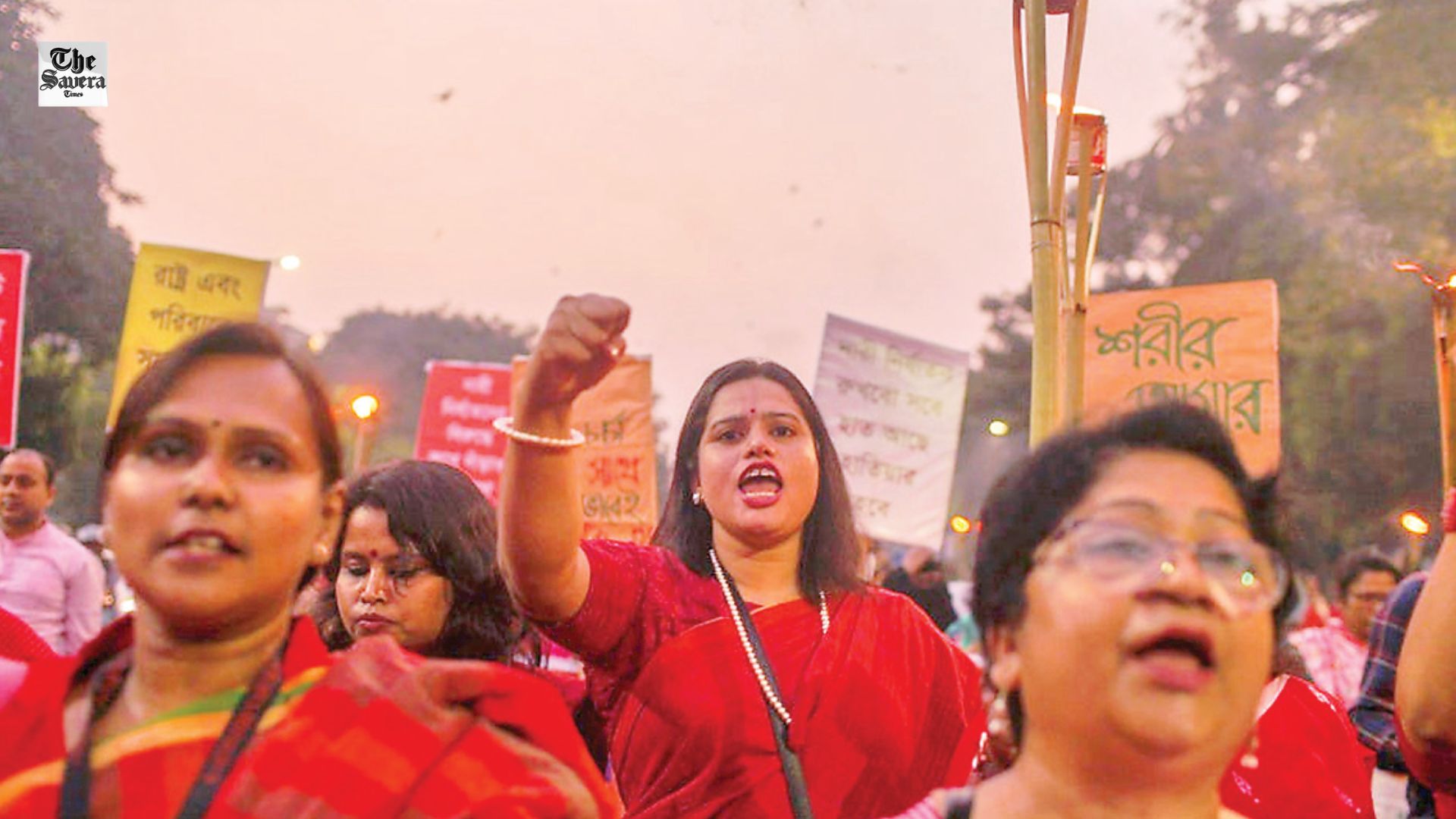
Minority communities in Bangladesh are facing growing insecurity amid incidents of violence, land encroachment and sustained social intimidation linked to Islamist networks, according to a report, which warned that vulnerable religious groups continue to live under fear in several parts of the country.
Buddhist and Christian minorities in Bangladesh are increasingly confronting attacks ranging from vandalism and intimidation to forced displacement, with incidents allegedly forming part of a wider pattern aimed at weakening their presence in local communities and forcing them off ancestral land.
Such incidents have surfaced repeatedly across districts over the years, often during periods of political unrest or after rumours related to blasphemy or religious tensions, creating an atmosphere of fear and uncertainty for minority families.
Violence against minorities in Bangladesh is not limited to isolated communal flare-ups but reflects a deeper and more organised pattern of coercion.
Shops, temples, and monasteries belonging to minority communities have frequently been targeted, leaving many residents feeling unsafe and increasingly vulnerable. A major underlying factor behind these incidents is land. It alleged that organised intimidation and communal violence are often used as pressure tactics to force minority families to abandon valuable land and property, which is then occupied or transferred illegally.
Beyond physical destruction, it said assaults on temples and monasteries have damaged the sense of security among communities and reinforced fears over religious freedom and equal citizenship.
Several attacks had altered local demographics and affected social relations at the grassroots level, with many families reportedly choosing migration over continued uncertainty.
Bangladesh’s minority population, especially Hindus, has declined sharply over the decades. It linked that decline to repeated cycles of insecurity, targeted violence, and the absence of adequate safeguards to protect vulnerable communities. For India, this is not merely a human-rights concern but a strategic one. The documented hostility of Jamaat-e-Islami to secular norms and minorities, combined with its longstanding ideological links to Pakistan, raises serious concerns that Bangladesh could become a more permissive environment for extremist networks. The issue extends beyond Bangladesh’s domestic politics and carries wider strategic implications for South Asia, stressing that protecting minority rights, ensuring justice and preserving communal harmony remain essential for long-term peace and regional stability.
Jerusalem: The Israel Defence Forces (IDF) said in a statement on Wednesday that it had killed a Hamas...
US President Donald Trump has promised that if the Republican Party retains control of both houses of Congress,...

New Delhi: American singer Mary Millben on Wednesday made an explosive claim about the Delhi protests, alleging that...

Prime Minister Narendra Modi on Wednesday wished Pope Leo XIV a speedy and complete recovery. The Pope underwent...

A large group of Harvard University alumni expressed concern on Wednesday over the alleged negative propaganda and campaign...
US Secretary of State Marco Rubio will visit India and Uzbekistan from October 17 to 22. During his...

Aries: The day will be auspicious...