Last Updated: October 22, 2026
Last Updated: October 22, 2026





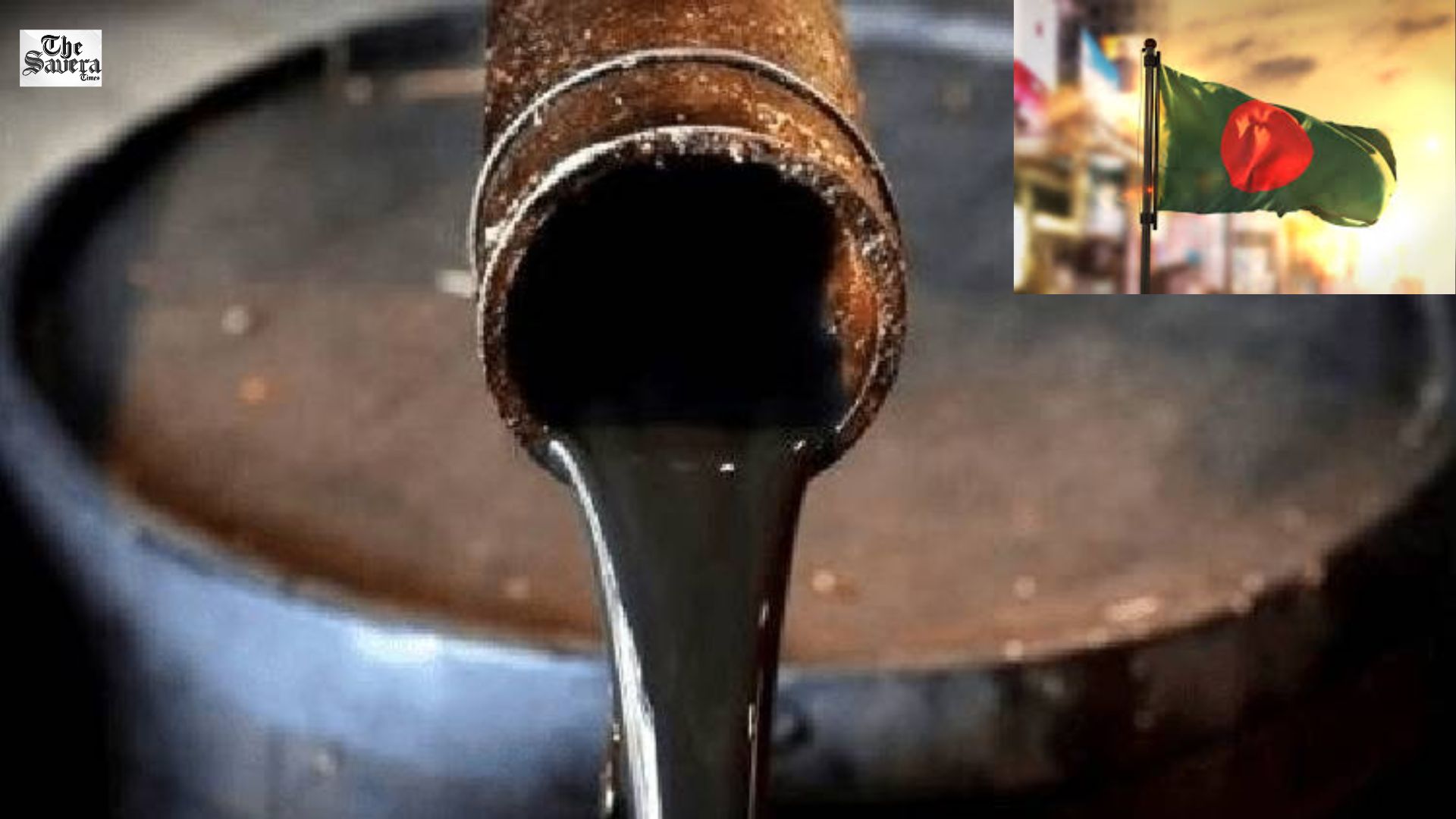
Dhaka, April 13: Bangladesh is facing growing economic pressure as the ongoing conflict involving Iran continues to disrupt global oil and LNG supply routes, particularly through the Strait of Hormuz, pushing up energy import costs and straining the country’s economy.
According to reports, the disruption has triggered a sharp rise in global crude oil prices, increasing Bangladesh’s already heavy dependence on imported fuel. The country imports nearly all of its energy needs, making it highly vulnerable to international price shocks and supply instability.
Economists warn that higher fuel costs could significantly increase electricity generation expenses, transportation costs, and industrial production charges, which may ultimately fuel inflation and widen the trade deficit.
The rising import bill is also expected to put additional pressure on foreign exchange reserves and the local currency, while policymakers may face difficult choices between raising domestic fuel prices or increasing subsidies to stabilize the market.
Analysts note that prolonged instability in the Middle East could further weaken Bangladesh’s macroeconomic stability, affecting exports, manufacturing output, and overall growth momentum.
A recent analysis suggests that even a moderate surge in global oil and LNG prices could reduce Bangladesh’s GDP growth while increasing inflationary pressure across essential sectors.
Pakistan's Defense Minister Khawaja Asif has questioned alleged plans by senior government officials to permanently settle abroad. He...
The Baloch Liberation Army (BLA) has claimed responsibility for carrying out 34 operations between October 9 and 20...
Russian President Vladimir Putin said on Wednesday that Russia's first tanker carrying 40,000 tons of diesel fuel will...
Ten people were killed and 44 others injured in a horrific road accident in Pakistan's Punjab province. The...

North Korean leader Kim Jong-un's influential sister, Kim Yo-jong, and a military marshal inspected fortification work along the...

New Delhi: US Secretary of State Marco Rubio has assured India that America’s relations with any country in...
Aries: The day will be auspicious...