Last Updated: September 25, 2026
Last Updated: September 25, 2026





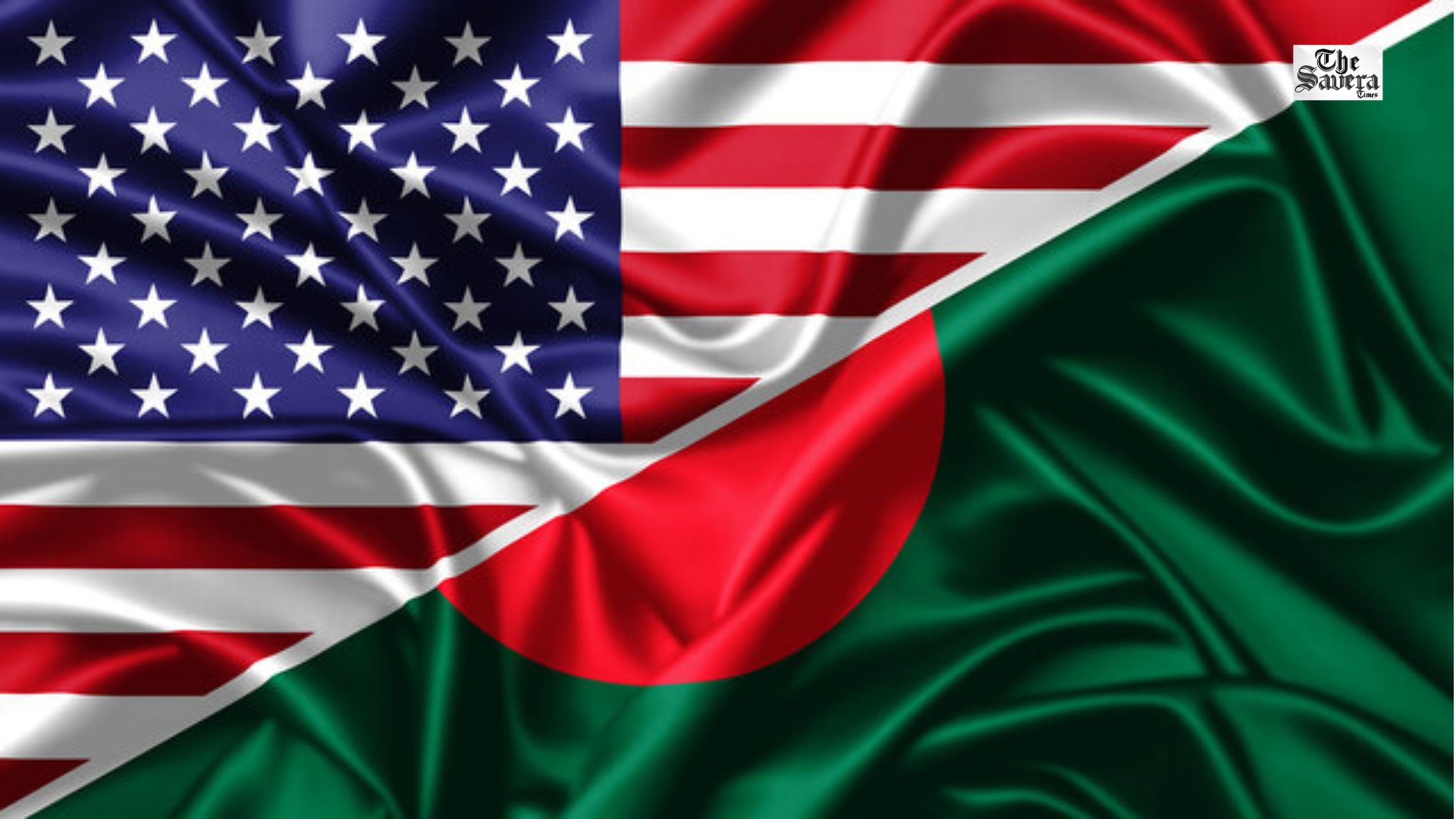
Bangladesh’s Agreement on Reciprocal Trade (ART) with the United States has come in for severe criticism — signed in the last frantic days of an interim government which is a case of mere acceptance of what the Donald Trump administration dictated to the country. Bangladesh signed ART on February 9, 2026, under the outgoing interim administration of Dr Muhammad Yunus, three days before a national election that would replace it. No elected parliament debated or approved it before it was signed, and the new one has not scrutinised it since taking office.
It highlights that among South Asian nations, Bangladesh rushed to sign first. Looking back, it’s hard to identify what that haste bought. Pakistan and Sri Lanka remain in active, unhurried negotiations, without conceding Bangladesh’s terms. India operates under its own separate interim framework, despite being in the crosshairs of the Lindsey O.
Graham Sanctioning Russia and Iran Act, which targets purchasers of discounted Russian oil and gas. Bangladesh, with lower exports and a smaller trade surplus with the US, than most other countries, signed the most sweeping and asymmetric agreement among the 10 countries that have signed the ART. It underscores that the 10 countries that have actually signed the ART, Bangladesh’s agreement has the strongest claim to being the most onesided. Not because any single clause is exotic; most of its mechanisms exist, in some form, in some other countries’ agreements too.
It is the aggregate, how the obligations stack up and the peculiar circumstances under which Dhaka signed the agreement, that sets it apart. No one has clearly explained what economic or political calculus persuaded an interim government to lock in an open-ended trade relationship on its way out the door. Critics are right to call this what it is: a lame-duck administration locking its successors into commitments the country never had a chance to vote on. That charge doesn’t apply to the other signatories, whose governments actually had a mandate to sign.
More than seven months since Bangladesh — then under Muhammad Yunus-led interim government — signed an Agreement on Reciprocal Trade (ART) with the United States, questions continue to be raised on the deal over both its terms and timing, and urging current Prime Minister Tarique Rahman’s Bangladesh Nationalist Party (BNP) government to reconsider the treaty.
Washington: Anti-Xi protesters gathered outside the White House gates on Thursday, chanting for a free Tibet and Hong...
United Nations: Palestine President Mahmoud Abbas on Thursday denounced what he described as a “genocidal war” in Gaza...
The operational landscape in Balochistan has witnessed a major tactical shift as female combat units belonging to the...
Saudi Arabia issued civil defence alerts for Mecca, Jeddah, Yanbu, Tabuk and Taif, warning of potential danger and...

Pakistan carried out fresh airstrikes in Afghanistan's Kandahar, Paktia and Khost provinces, with the Taliban claiming four civilians...
Nepal has begun deporting 88 Chinese nationals over alleged visa violations and is investigating 329 more who entered...

Aries: The day will be auspicious...