Last Updated: October 12, 2026
Last Updated: October 12, 2026





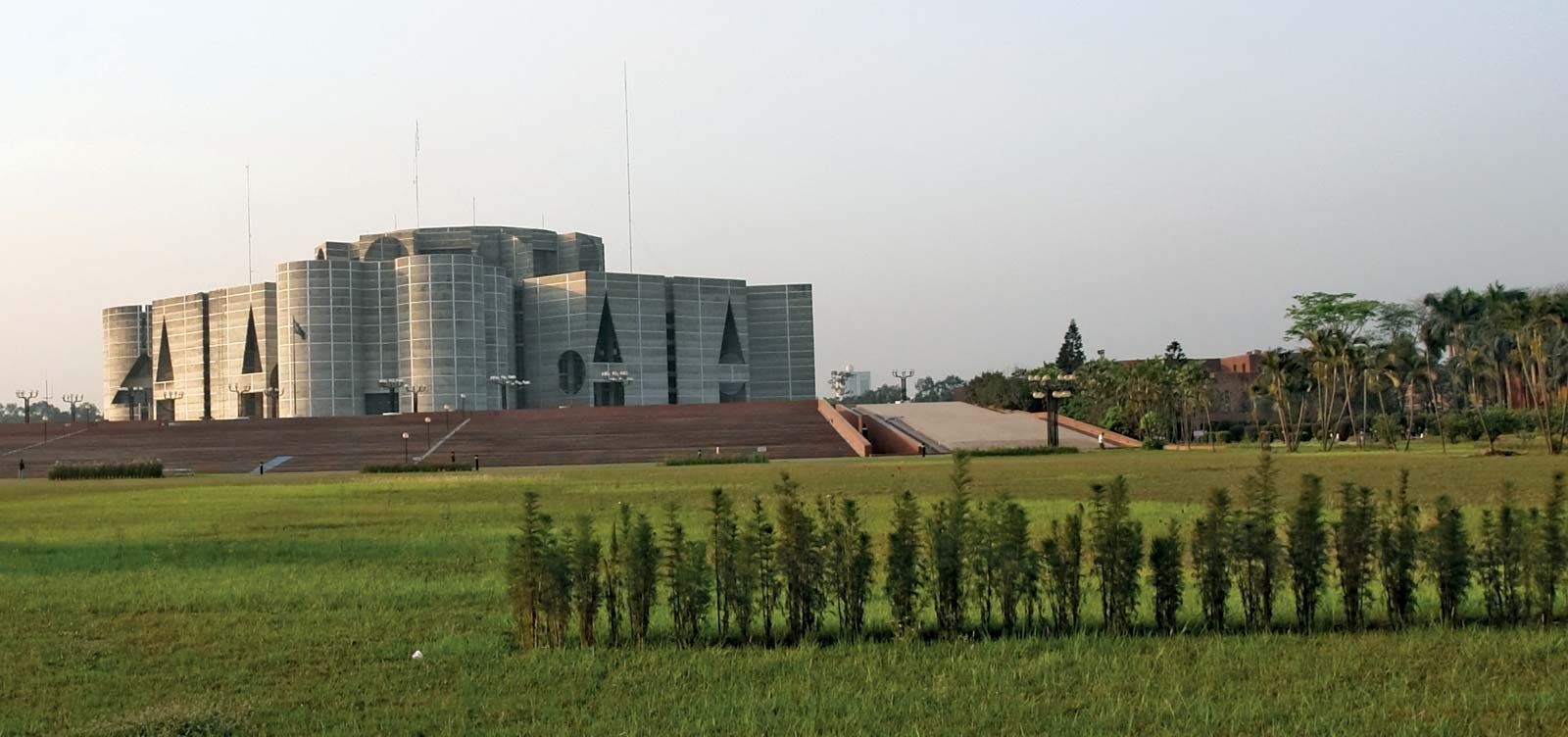
Women were among the most visible and effective forces on Bangladesh’s streets during the July Uprising in 2024, but after the collapse of the then Awami League government led by former Prime Minister Sheikh Hasina, the visibility of these women rapidly faded from the country’s political and state structures.
Women became a prominent presence across universities and campuses, leading slogans, blocking prison vans, rescuing the injured, providing medical care, and arranging food during the protests in July 2024. They were not merely participants; they helped in making decisions and shaping the movement’s course.
Question crops up: where the women of July Uprising go, noting that the female leaders and activists point to the political, structural, and social barriers that are keeping women away from positions of power.
Women were marginalised from the outset, and her Commission was also excluded initially and faced resistance from various other commissions later.
According to an analysis, of 139 posts targeting 15 prominent women from the July movement found that 63 per cent contained sexually suggestive slurs.
On the day we submitted our report, many in the advisory council were excited. But days later, a faction held a rally, professed to annul our report, and hurled abuses at us. The entire advisory council remained silent.
A disagreement with a male politician is countered through logic, while women were subjected to attacks on clothing, personal life and family.
It is questioned if society sees women only as crisis-time assets or considers them as equal partners in state-building.
Political parties have also failed to turn commitments into meaningful representation. Under the July Charter, political parties were expected to nominate women for at least five per cent of the 300 Parliamentary seats in the national election. None complied.
A Sudanese rights group says at least 72 gold miners were killed in an air strike near the...

US President Donald Trump is scheduled to attend the ASEAN summit in Manila on November 16 before travelling...
An Indian national injured in the October 10 attack on Riyadh’s King Khalid International Airport has died, taking...
Ukrainian President Volodymyr Zelenskyy says he was unaware of Donald Trump’s announcement of an immediate energy ceasefire between...
Colombian businessman Alvaro Pulido Vargas has been arrested in Florida over two US federal cases involving alleged bribery...
Republican Senator Thom Tillis has questioned the legality of Trump's Russian diesel deal, while John Barrasso defended it...
Aries: The day will be auspicious...