Last Updated: October 15, 2026
Last Updated: October 15, 2026





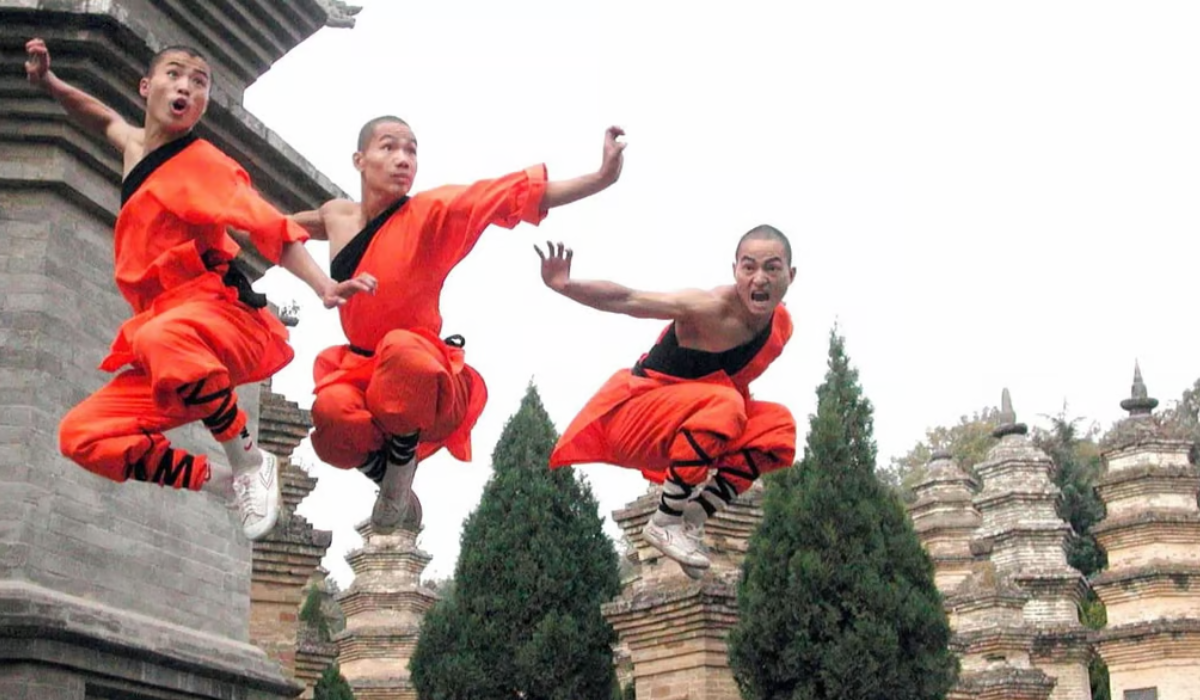
China’s use of Buddhism reflects hollowing out of faith, turning temples into tourist attractions, monks into state employees, and scriptures reshaped to promote obedience to the Chinese Communist Party (CCP). The pursuit of spiritual enlightenment has given way to the pursuit of political loyalty. This “distortion” is most evident in Tibet with Buddhism not only tightly managed but also weaponised against those who hold it sacred. China’s paradoxical embrace of Buddhism is not about faith but function. The CCP, constitutionally atheist, has long sought to neutralise religion’s independent authority. Buddhism is tolerated and even promoted when it can be reframed as a cultural asset, a tourist attraction, or a moral supplement to socialism. But when Buddhism carries political or ethnic identity, as in Tibet, it is treated as a threat. Beijing’s insistence that it has the authority to approve the reincarnation of Tibetan lamas, including the future Dalai Lama, is “a direct attempt to sever Tibetan Buddhism from its spiritual lineage and bind it to state power”. He noted that monasteries across Tibet are under strict surveillance, with monks required to undergo “patriotic education”. Political indoctrination, he said, has taken precedence over religious learning, while Tibetan Buddhist rituals, festivals, and teachings are restricted, regulated, or rebranded as “folk culture”, eroding their spiritual depth. Public allegiance to the Dalai Lama is criminalised, casting devotion itself as subversion. By framing Buddhism as a “harmonious” tradition that discourages dissent, he said, the CCP promotes a state-approved faith that channels spiritual yearning into politically compliant expressions. Thondup argued that China projects itself as a protector of Buddhist heritage through temple restoration, international forums, and state-funded pilgrimages across Thailand, Sri Lanka, and Myanmar to gain global legitimacy. However, in Tibet, he said, where Buddhism is intertwined with identity, Beijing seeks to weaken Tibetan nationalism and dilute resistance to assimilation by tightening its control over the faith. B
Jerusalem: The Israel Defence Forces (IDF) said in a statement on Wednesday that it had killed a Hamas...

US President Donald Trump has promised that if the Republican Party retains control of both houses of Congress,...
New Delhi: American singer Mary Millben on Wednesday made an explosive claim about the Delhi protests, alleging that...

Prime Minister Narendra Modi on Wednesday wished Pope Leo XIV a speedy and complete recovery. The Pope underwent...
A large group of Harvard University alumni expressed concern on Wednesday over the alleged negative propaganda and campaign...
US Secretary of State Marco Rubio will visit India and Uzbekistan from October 17 to 22. During his...

Aries: The day will be auspicious...