At least 10 people were killed and around 20 others injured after Israeli missile strikes targeted parts of Beirut overnight, marking a significant escalation in the ongoing Middle East conflict. The strikes reportedly hit the Jnah neighbourhood in southern Beirut, causing widespread destruction and panic among residents.
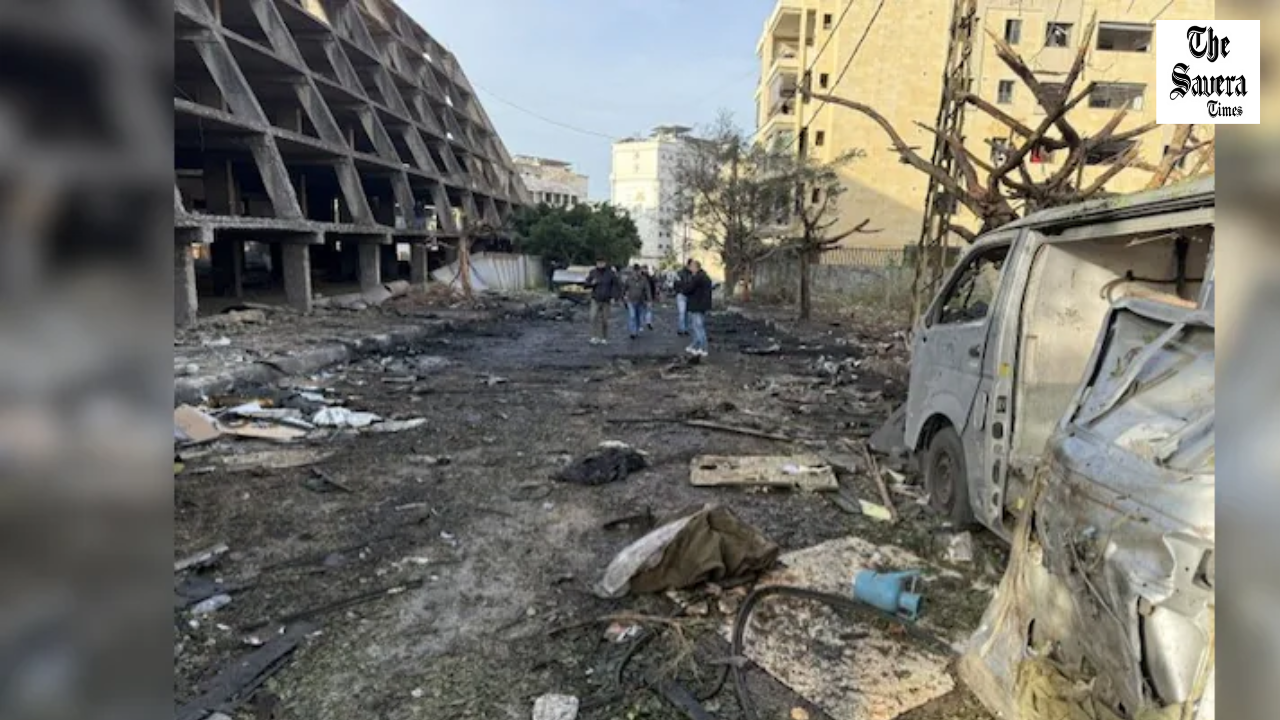
Lebanese authorities confirmed that multiple missiles struck parked vehicles and nearby areas, leaving behind large craters, damaged buildings, and debris scattered across the site.
Targeted attack on Hezbollah-linked sites
The Israel Defense Forces (IDF) stated that the overnight operation involved two separate raids aimed at Hezbollah-linked targets. According to Israeli officials, the strikes were intended to eliminate senior members of the Iran-backed militant group operating in Lebanon.
However, there has been no independent confirmation regarding the identities of those targeted or whether high-ranking operatives were among the casualties.
Massive destruction on ground
Eyewitness accounts and visuals from the site reveal extensive damage in the affected area. Several vehicles were completely destroyed, while nearby residential buildings suffered structural damage due to the intensity of the blasts.
Emergency services rushed to the scene, carrying out rescue operations and transporting the injured to nearby hospitals. Authorities warned that the death toll could rise further as search operations continue.
Part of escalating regional conflict
The latest strikes come amid a broader escalation in the Middle East, involving Israel, Iran, and allied militant groups. Lebanon was drawn into the conflict on March 2 after Hezbollah launched attacks on Israel, reportedly in response to the killing of Iran’s Supreme Leader Ayatollah Ali Khamenei.
Since then, Israel has carried out widespread airstrikes across Lebanon and initiated ground operations, significantly intensifying hostilities.
Rising casualties and displacement
The ongoing conflict has already taken a heavy toll on Lebanon. Reports indicate that over 1,200 people have been killed and more than a million displaced since the escalation began.
Recent strikes in and around Beirut have repeatedly targeted vehicles and suspected militant positions, contributing to mounting civilian casualties and humanitarian concerns.
International concern grows
The continued escalation has drawn concern from the international community, with calls for restraint and de-escalation growing louder. The conflict is not only affecting Lebanon and Israel but also impacting regional stability, global energy markets, and diplomatic relations.
Meanwhile, tensions remain high as missile exchanges continue between Israel and Iran-backed groups, raising fears of a wider regional war.
Uncertain path ahead
With both sides showing no immediate signs of backing down, the situation in Beirut and across Lebanon remains volatile. The latest strikes underline the intensity of the conflict and the risks faced by civilians caught in the crossfire.
As the crisis deepens, global attention is focused on whether diplomatic efforts can bring about a ceasefire or if further escalation is inevitable in the days ahead.