Last Updated: September 25, 2026
Last Updated: September 25, 2026





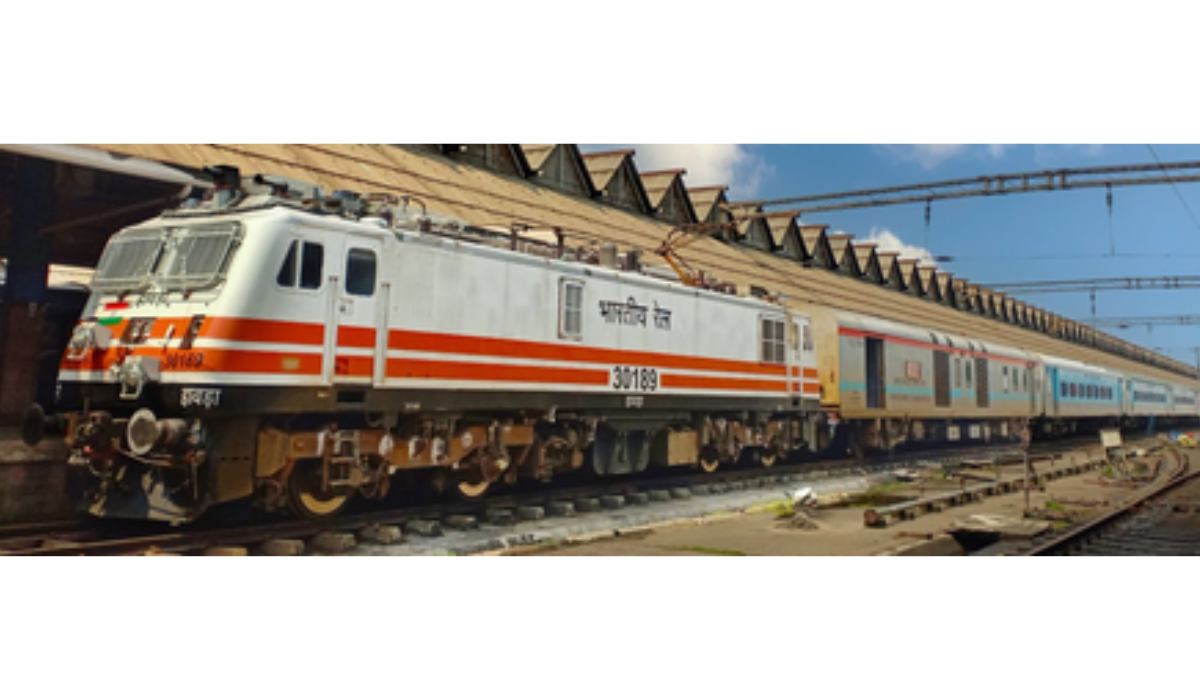
Kolkata: Eastern Railway (ER) will set up 131 new chlorination plants to improve water quality at stations. Like other railway zones, ER has also launched an intensive drive to provide clean drinking water and safe, hygienic food to passengers.
As part of this drive, ER is undertaking comprehensive water tank cleaning across all divisions and workshops. According to officials, 6,955 water tanks, including overhead tanks, underground reservoirs and PVC tanks, were cleaned between August 20 and September 23, 2026.
“While 2,449 water tanks were cleaned in the Asansol Division, 1,464 were attended to in Sealdah Division. In the Howrah Division, 2,123 water tanks have been cleaned. Malda cleaned 919 tanks. All tanks underwent thorough cleaning and proper water treatment to ensure source reservoirs remain free from contamination for the supply of clean water,” an official said.
A special initiative has also been launched to clinically test water samples collected from taps at various stations to monitor quality. Work on 131 new chlorination plants is underway. This initiative is part of a broader action plan for strengthening drinking-water quality management across the railways.
The action plan emphasises frequent inspection and maintenance of the entire drinking-water system, along with water-quality testing at the source and at the point of consumption, rather than relying solely on end-of-pipe water testing.
“During the drive, the zonal railways will undertake comprehensive inspection of water sources, treatment and filtration plants, underground and overhead tanks, PVC tanks, water booths, taps and water dispensing points. All drinking-water tanks will be drained, desludged, scrubbed and disinfected. Measures will also be taken to ensure tight covers and appropriate protection of vents and overflow points from birds, animals and algae,” the Railway Board said.
Damaged tanks, pipelines and filters will be repaired or replaced as required, while ensuring no cross-connection between potable and non-potable water systems. All piping forming part of the drinking-water circuit will also be checked for leakages and necessary corrective measures taken to prevent water wastage, it said.
Special attention will also be paid to locations where hand pumps and borewells are used to extract drinking water. The zonal railways have been directed to ensure that water from such systems remains free from contamination and is safe for drinking.
The zonal railways will also submit station-wise details of deficiencies identified and the corrective action taken. This mechanism will facilitate systematic monitoring of deficiencies and ensure that issues identified during the special drive are addressed in a time-bound manner.
Catch the top India and world news in The Savera Times Evening Wrap, featuring the latest headlines, breaking...

Kolkata: The West Bengal unit of the Bharatiya Janata Party (BJP) on Friday announced a major organisational reshuffle...
New Delhi: The Delhi High Court has refused to grant regular bail to a 26-year-old man accused of...

Ayodhya: The SIT’s voluminous chargesheet in the Ram Temple donation theft case against eight accused cites CCTV recordings...
New Delhi: The Supreme Court has upheld the Bombay High Court’s view that offering ‘Dua’ (prayer) for electoral...
New Delhi: The National Investigation Agency (NIA) has arrested two more accused in connection with the Improvised Explosive...
Aries: The day will be auspicious...