Last Updated: October 21, 2026
Last Updated: October 21, 2026





By: Dr Tanu jain
It happened somewhere above the clouds — on a quiet flight when I noticed a small argument unfold a few rows ahead. A group of friends, all grown-ups, were quarreling about where to sit. Each wanted to sit near their favourite person, their chosen comfort zone, as if a few inches could decide affection or belonging. It was a harmless moment, yet strangely unsettling. Watching them, I found myself wondering — what makes one person our favourite and another almost invisible? Why do we divide our hearts into circles of preference, love, and indifference?
Human relationships are intricate threads — beautiful yet fragile. We weave them with emotion, expectation, and imagination, forgetting that they exist not to bind us but to teach us. Life, for most of us, becomes a tapestry of attachments: who we love, who we resent, who makes us feel special, who makes us feel small. And somewhere in that endless list of likes and dislikes, we lose the essence of who we truly are.
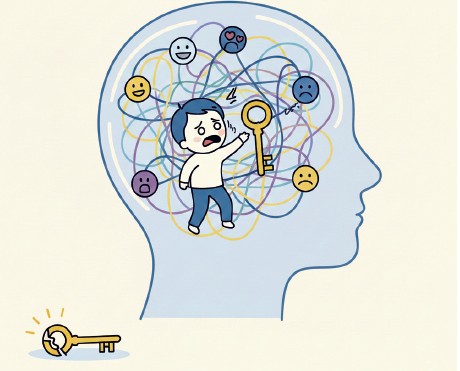
It struck me how we are the ones who create our own emotional to-do list. No one else does it for us. We decide who is important, who matters, who must not be forgotten — and then we suffer when they don’t follow the script we wrote in our heads. We make people indispensable and then mourn their absence. We hand over our peace like a fragile key to someone else’s hand. And when they drop it, we call it heartbreak.
But who really prepares that list of expectations? It’s not destiny. It’s not even them. It’s us. Our own mind, our own restless heart, and our own refusal to see that the world is ever-changing. The Bhagavad Gita reminds us gently of this truth:
“As a person puts on new garments, giving up old ones, the soul similarly accepts new bodies, giving up the old and useless ones.” (Gita 2.22)
If even the body — our closest companion — is temporary, how can we expect permanence from the people around us? Krishna teaches Arjuna that attachment is the root of sorrow, and detachment is not indifference but wisdom. The moment we understand the impermanence of all that surrounds us, we begin to live with grace.
And yet, the human heart resists. We crave connection, applause, belonging. Shakespeare once wrote, “We are such stuff as dreams are made on; and our little life is rounded with a sleep.” How fragile, how fleeting are our dramas — born of desire, ending in dust. Still, we fight for the window seat of attention, for the nearness of someone’s affection, as if love were a limited resource.
Osho often said that looking outward is easy because it keeps us distracted. The real journey begins when you start looking inward — when you sit quietly with yourself and ask, Who am I when no one is watching? Inwardness is not isolation; it is intimacy with one’s own being. It is sitting silently until the noise of others fades and the whisper of your soul becomes audible again.
To turn inward, you do not need to renounce the world. You need to pause long enough to observe how your own mind creates its restlessness. Some simple, luminous paths unfold when we dare to look within:
When you begin to turn inward, the world outside no longer dictates your peace. You start seeing others not as possessions, but as fellow travelers on their own karmic paths. Some will walk beside you for years, others for moments — and that is perfectly all right.
In the end, beyond all boundaries of affection and rejection, lies a serene awareness — that everything we experience is part of a grander rhythm. People are reflections, not roots; they mirror our growth, not define it. The flight of life keeps moving; seats change, faces change, but the journey within is eternal.
So next time I see friends debating over where to sit, perhaps I’ll smile quietly. Because I’ve learned that true closeness isn’t about proximity — it’s about presence. And presence, like peace, begins where attachment ends
(The writer is Chief executive officer
Bareilly cantonment board
Ministry of defence)
Good Evening Viewers! Get the latest updates from India and around the world with The Savera Times Evening...

Bharatiya Janata Party (BJP) National General Secretary Smriti Zubin Irani launched a scathing attack on Congress MP and...

New Delhi: Cockroach Janata Party (CJP) leaders Saurav Das and Ashutosh Ranka will be released from judicial custody...

According to police, three suspicious young men are seen in CCTV footage. Efforts are underway to identify them....

A video has surfaced of an alleged attempted assault on Jan Suraj Party's Bihar president Manoj Bharti. The...

Two accused have been convicted and sentenced to 10 years of rigorous imprisonment in a 2017 drug trafficking...

Aries: The day will be auspicious...