


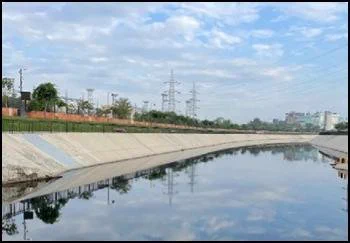
In growing cities, the water cycle does not end when water is used. What flows away from homes, businesses and neighbourhoods does not have to become waste. With the right systems, used water can be collected, treated, recycled and returned to productive use. This shift is shaping a new approach to urban sanitation under the Swachh Bharat Mission-Urban (SBM-U). At its heart is Used Water Management (UWM), which focuses on treating used water, preventing untreated sewage from reaching water bodies, and enabling safe reuse. Sewage Treatment Plants (STPs) are central to this process, turning wastewater management into an opportunity to protect natural resources and recover water for further use.
This approach is reinforced through the Water Plus certification, which provides cities with guidelines for managing wastewater generated by households and commercial establishments. It requires wastewater to meet satisfactory treatment standards before being discharged into the environment. The focus extends beyond treatment infrastructure to how cities plan and manage their water resources. Urban Local Bodies are being empowered to formulate long-term, city-level plans for wastewater reuse. Clearly defined responsibilities and technological advancements are helping cities improve the efficiency and effectiveness of treatment systems. The Open Defecation Free (ODF) ++ protocols further strengthen this approach by assessing the safe management and treatment of entire sewage, including faecal sludge and septage. Together, these measures are laying the foundation for sustainable sanitation and a circular economy, where used water can be managed as a resource. Under SBM 2.0, projects worth Rs 11,785 crore have been approved for setting up sewage treatment plants in small cities. These projects will add 4,900 million litres per day (MLD) of treatment capacity, expanding the infrastructure needed for effective used water management.
The management of used water is evolving beyond conventional treatment and disposal. Different cities are developing approaches that match their infrastructure, water needs and local conditions. In the process, treated water is finding applications in agriculture, horticulture, industry, road cleaning and lake rejuvenation. The experiences of cities like Jaipur, Indore, Surat and Navi Mumbai highlight some of these varied approaches.
*Jaipur: Engineering Water Reuse*
developed around the plant, with more than 30,000 plants adding to the greenery of the site.
*Indore: Leading the Water Plus Journey*
Indore’s transformation in used water management began with a simple goal: keep untreated wastewater out of the environment. This approach helped the city become the first to receive Water+ Certification. Its practices demonstrated how sustainable sanitation and used water management could work at the city level. The model has also encouraged several smaller cities to pursue similar approaches.
Today, no untreated wastewater flows through Indore’s rivers or its natural and man-made stormwater drains. By 2020, the city had 7 decentralised STPs alongside 3 existing centralised STPs. It had also laid more than 200 kilometres of piped network for carrying treated wastewater. Indore simultaneously strengthened measures for conserving both groundwater and surface water. In 2022, more than 1.25 lakh rainwater harvesting units were installed across residential and non-residential areas. The installations were completed within a span of just four months. Treated wastewater is now used for water gardens, roadside plantations and horticulture. It is also used for washing roads and cleaning sewer machines.
Surat has taken the idea of wastewater reuse further by treating it as a resource with economic value. The Surat Municipal Corporation has established four tertiary treatment plants with a combined installed capacity of 116 MLD. The plants have helped reduce dependence on freshwater resources. Treated wastewater is reused across several non-potable applications in the city. These include industrial use, lake rejuvenation, agriculture, mass plantation, sewer cleaning, etc., through direct service lines and tanker filling stations.
The city has 170 sewer-cleaning machines, including equipment based on Latest Advanced Robotic Technology. These machines are used for cleaning and maintaining the sewerage system.
Navi Mumbai’s Water+ journey has combined treatment infrastructure with extensive reuse of treated water. It is the only city in Maharashtra to achieve a five-star rating and Water+ Certification. The city upgraded its sewage treatment technology and designed its STPs for a population of 30 lakh. Its pumping stations were also upgraded to reduce energy costs. These stations transfer sewage generated to the STPs.