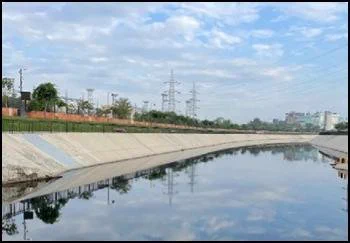
In growing cities, the water cycle does not end when water is used. What flows away from homes, businesses and neighbourhoods does not have to become waste. With the right systems, used water can be collected, treated, recycled and returned to productive use. This shift is shaping a new approach to urban sanitation under the.
Umashankar Pandey Padma Shri awardee and a renowned Jal Yoddha/Water Warrior Indian agriculture stands at a historic crossroads. For decades, our narrative was one of triumph—transforming from a food-deficient nation to one of the world’s largest agricultural producers and exporters. This “Green Revolution” was fueled by hard work, improved seed varieties, expanded irrigation, and a.
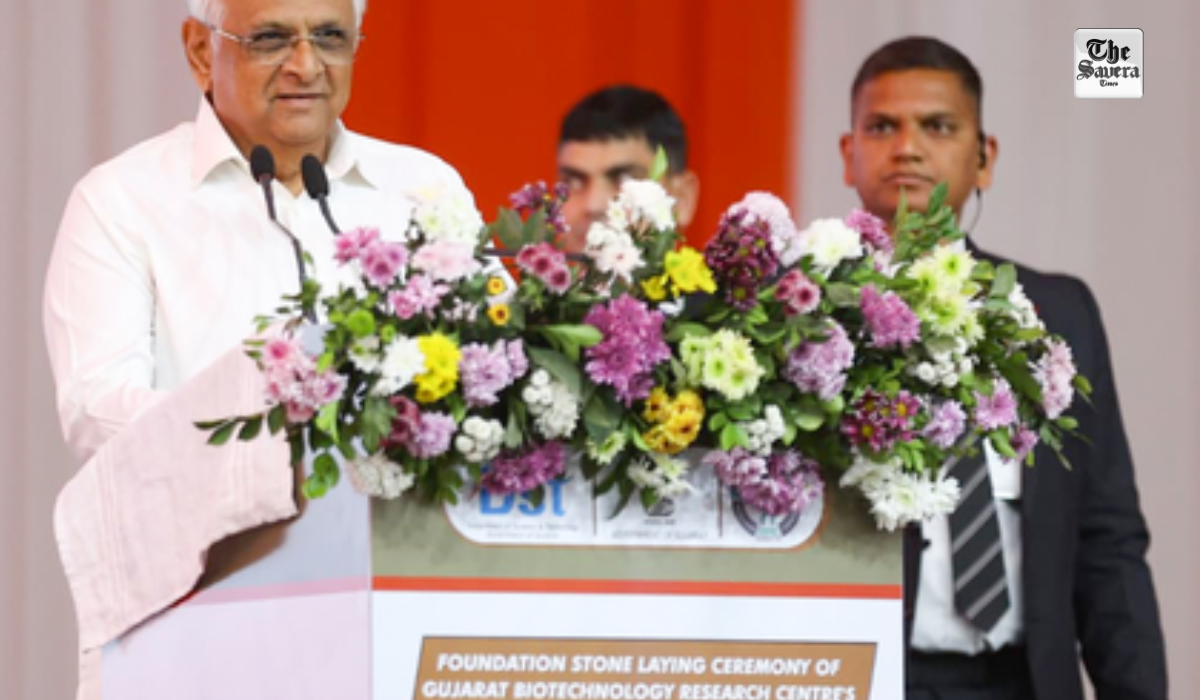
The Gujarat government led by Chief Minister Bhupendra Patel continues to advance its goal of strengthening urbanisation and improving ease of living across the state.
Water has always shaped India’s civilisation, economy, and culture. Rivers have determined settlement patterns, monsoon cycles have guided agriculture, and traditional water systems once ensured local resilience. Yet today, water has emerged as one of India’s most complex governance challenges. Scarcity, pollution, and unequal access threaten livelihoods and social stability, making water governance a defining.
Water remains one of India’s most decisive resources, shaping public health, food security, and economic development. Yet our dependence on the monsoon, coupled with rising demand and uneven distribution, has pushed the country towards a point where every drop must count. If India treats water management not simply as an environmental issue but as a.
Water remains one of India’s most decisive resources, shaping public health, food security, and economic development. Yet our dependence on the monsoon, coupled with rising demand and uneven distribution, has pushed the country towards a point where every drop must count. If India treats water management not simply as an environmental issue but as a.