Last Updated: October 1, 2026
Last Updated: October 1, 2026





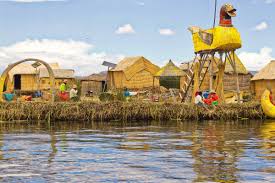
Water has been the silent architect of human civilization. From the earliest settlements to modern megacities, access to water has determined where societies flourish and where they fail. Rivers, lakes, and aquifers have shaped trade routes, agricultural systems, cultural practices, and political power. Understanding water’s role in history offers valuable lessons for the present and future.
The earliest civilizations emerged along riverbanks. The Nile, Indus, Tigris-Euphrates, and Yellow River provided fertile soil, transportation, and sustenance. Seasonal floods replenished nutrients, enabling surplus food production and population growth.
These conditions allowed societies to develop writing, governance, and complex economies. Without reliable water sources, such progress would have been impossible.
Water influenced not only survival but also social organization. Irrigation systems required collective effort and coordination, giving rise to early governance structures. Control over water often meant control over power. Those who managed canals and reservoirs wielded authority, shaping hierarchies and administrative systems. In many ways, early politics flowed directly from water management.
Trade and commerce also depended heavily on water. Rivers and seas served as natural highways, enabling the exchange of goods, ideas, and cultures. Maritime civilizations expanded their influence through naval strength and port cities. Water connected distant regions long before modern transportation, fostering globalization in its earliest form.
Culturally, water has held deep symbolic meaning. It features prominently in religious rituals, myths, and artistic expressions. Many traditions associate water with purification, renewal, and life itself. Sacred rivers and ceremonial baths reflect humanity’s reverence for this vital resource. Such cultural connections reinforce the idea that water is not merely a commodity but a shared heritage.
In modern times, technological advances have altered humanity’s relationship with water. Dams, desalination plants, and pipelines have expanded access, enabling cities to grow in arid regions. However, these interventions have also disrupted ecosystems and displaced communities. The challenge today is balancing human needs with environmental sustainability.
Urbanization has placed unprecedented pressure on water resources. Rapid population growth, pollution, and climate variability threaten water security worldwide. Many regions face declining groundwater levels and contaminated rivers. These challenges highlight the limits of technological solutions and the importance of responsible consumption and conservation.Climate change has further intensified water-related risks. Altered rainfall patterns, melting glaciers, and rising sea levels affect freshwater availability.
Floods and droughts are becoming more frequent and severe, testing infrastructure and governance systems. Water, once a stabilizing force, is increasingly a source of uncertainty.
Looking ahead, the lessons of history are clear. Societies that manage water wisely tend to endure, while those that exploit it recklessly face decline. Integrated water management, international cooperation, and community participation are essential for sustainable futures. Recognizing water as both a natural resource and a social good can guide better decision-making.
Water remains the foundation of civilization, just as it was thousands of years ago. The challenge of the 21st century is not discovering its importance, but respecting its limits and sharing it equitably.
Prime Minister Narendra Modi on Thursday hailed Captain Smit Machchhar, the Indian pilot of Flydubai flight FZ1073, who...

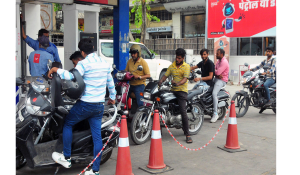
The Central Government has cut export levies on diesel and aviation turbine fuel (ATF) for the second consecutive...
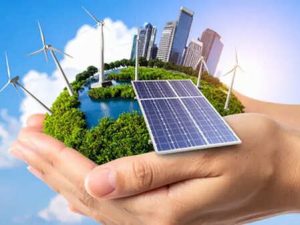
India is increasingly aligning its development agenda with climate action, integrating renewable energy, energy efficiency and green industrial...
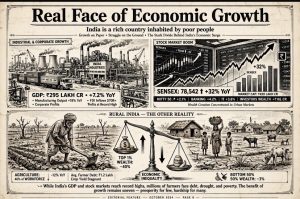
– Abhishek Vij While the National Statistical Office’s data promises a better position for the country globally, it...
The Savera Times Evening Wrap brings you the top India and world news, covering major developments across politics,...

Pakistan-based LeT terrorist Mohammad Asif alias Hashim Moosa, wanted in the Pahalgam terror attack case, was killed in...

Aries: The day will be auspicious...