Last Updated: October 2, 2026

Dainik Savera Times Logo

  • Bhojshala verdict sparks fresh hope for revival of Vidisha’s Vijay Mandir, says NHRC’s Priyank Kanoongo

    May 17, 2026

    Bhojshala verdict sparks fresh hope for revival of Vidisha’s Vijay Mandir, says NHRC’s Priyank Kanoongo

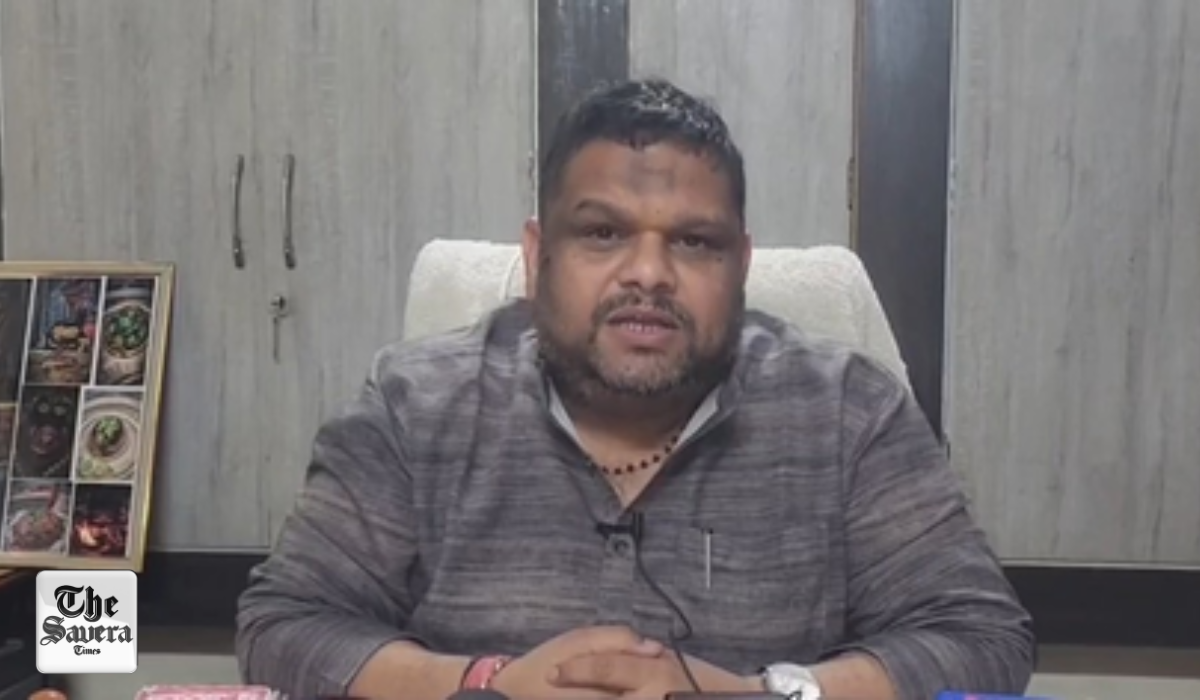
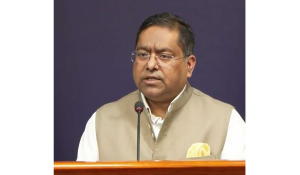
    Vidisha: National Human Rights Commission (NHRC) member Priyank Kanoongo welcomed the Madhya Pradesh High Court verdict declaring the Kamal Maula Mosque, also known as Bhojshala, a temple, saying the judgment has renewed hopes for the revival of the centuries-old Vijay Surya Mandir in Vidisha as well.

    The Indore Bench of the Madhya Pradesh High Court recently redefined the legal status of the Bhojshala complex in Dhar, ruling that the site is a temple and that the Hindu community’s right to worship there had never ceased historically.

    In a significant ruling delivered on Friday, the division bench of Justice Vijay Kumar Shukla and Justice Alok Awasthi set aside decades of administrative arrangements and compromises related to the disputed site.

    Kanoongo Links Verdict to India’s ‘Cultural Revival’

    Reacting to the judgment, Kanoongo said the verdict reflected what he described as India’s ongoing “cultural revival” and linked it to other major religious developments in the country.

    Speaking to reporters, he said, “We are the people of that fortunate generation who are witnessing the cultural revival of India with their own eyes. We have seen how Prime Minister Narendra Modi ensured that the struggle of 500 years in Ayodhya comes to an end by building a huge Ram Temple.”

    He further stated that people across the country are reconnecting with what he termed their historical and cultural heritage.

    “People of India are experiencing the glory of their glorious past; all these things are happening. This Bhojshala verdict has also raised hopes that the Goddess Saraswati idol be brought back and we could again start worshipping there,” he said.

    Vidisha Temple-Mosque Dispute Back in Spotlight

    Kanoongo’s remarks have once again drawn attention to the long-standing dispute surrounding the Vijay Surya Mandir in Vidisha, where members of the Hindu community traditionally gather outside locked gates during Nag Panchami to offer prayers.

    In 2024, when permission was sought to conduct rituals inside the premises, the Archaeological Survey of India (ASI) stated that the monument was officially registered as the Bijamandal Mosque and not a temple.

    The ASI had cited a 1951 gazette notification to support its position regarding the site’s legal and historical status.

    Referring to the dispute, Kanoongo said the Bhojshala verdict had strengthened expectations among those seeking recognition of the Vijay Surya Mandir’s historical identity.

    “This verdict has also made us optimistic that Vidisha’s Vijay Temple will also achieve this success. I pray to Mahakal that these wishes are fulfilled,” he said.

    Demand for Fresh Archaeological Survey Gains Momentum

    The issue surrounding the Vidisha structure has continued to spark debate among local leaders and religious groups.

    Mukesh Tandon and several Hindu organisations have been demanding a fresh and detailed archaeological survey of the site.

    Supporters of the demand argue that a comprehensive survey is necessary to determine the monument’s original historical character and clarify its past usage.

    The discussion has gained further momentum amid recent judicial interventions and legal proceedings involving temple-mosque disputes in different parts of the country.

    Several Hindu organisations have expressed hope that historically disputed religious sites would now undergo renewed legal and archaeological scrutiny following the Bhojshala judgment, which many groups are describing as a landmark ruling.

    There is more news...