Last Updated: November 4, 2026
Last Updated: November 4, 2026





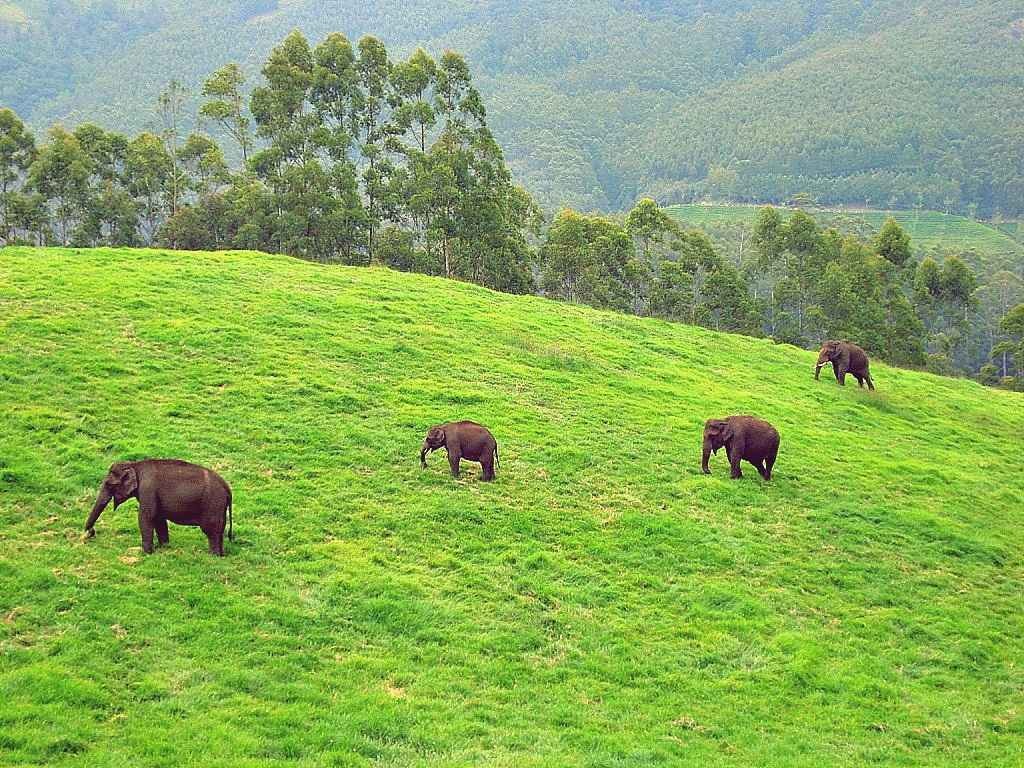
Balancing Biodiversity Conservation with Sustainable Development Biodiversity refers to the variability of living organisms across terrestrial, marine and other aquatic ecosystems. The Convention on Biological Diversity (CBD) recognises three levels of this diversity. Genetic diversity refers to variations within a species, such as different rice varieties. Species diversity reflects the range of species, such as tigers, elephants and orchids in a forest. Ecosystem diversity encompasses different natural habitats, including forests, grasslands, wetlands and coral reefs. Collectively, these levels sustain ecological processes and support life on Earth. Biosphere reserves are areas identified by national governments for conserving biodiversity and promoting sustainable development. They protect natural habitats, maintain ecological balance and promote the sustainable use of biological resources. Their conservation contributes to food security, water availability, climate resilience and community livelihoods. They also safeguard natural resources for the benefit of future generations. Recognising their global importance, the International Day for Biosphere Reserves is observed annually on 3rd November. Proclaimed by UNESCO, the day highlights the contribution of these reserves to biodiversity conservation and sustainable development. It also promotes awareness of their role in reconciling environmental protection with human well-being. For India, this observance reflects its commitment to protecting its rich natural heritage. As one of the world’s 17 mega-biodiverse countries, India accounts for approximately 7–8% of recorded species worldwide, while it occupies only 2.4% of Earth’s land area. Through its network of biosphere reserves, India seeks to strengthen ecological resilience and promote sustainable livelihoods. These efforts reflect the country’s commitment to balancing conservation priorities with the developmental needs of local communities. Biosphere Reserves: Understanding the Concept Conserving biodiversity requires an approach that considers both natural ecosystems and the communities dependent on them. It also requires scientific research, responsible resource management and cooperation among different stakeholders. Biosphere reserves provide an internationally recognised framework for bringing these objectives together. Launched in 1971, UNESCO’s Man and the Biosphere (MAB) Programme promotes scientific approaches to improving relationships between people and their environment. Biosphere reserves function as living laboratories for testing and demonstrating sustainable development practices. They also help local communities sustain their livelihoods while living in harmony with nature. Biosphere reserves pursue 3 main functions: ● Conservation: Protect biodiversity, genetic resources, ecosystems and landscapes, including associated cultural diversity. ● Sustainable Economic Development: Encourage economic and social activities that respect ecological limits and local cultural values. ● Scientific Support: Underpin scientific research, environmental monitoring, education, training and knowledge exchange to improve conservation practices. Biosphere reserves follow a zonation model that balances different levels of protection and human activity. Each zone serves a distinct purpose, while contributing to the reserve’s overall objectives. ● Core Area: The core area provides the highest level of protection for ecosystems and biodiversity. It conserves habitats, species and genetic diversity while maintaining essential ecological processes. Human activities are strictly limited, with compatible research and monitoring supporting longterm conservation. ● Buffer Zone: The buffer zone surrounds or adjoins the core zone. It accommodates activities compatible with conservation, including environmental education, scientific research and regulated ecotourism. These activities improve ecological understanding while helping reduce pressures on strictly protected areas. ● Transition Area: The transition area supports settlements, livelihoods and sustainable economic activities. Communities can practise responsible agriculture, sustainable forestry, ecotourism and other locally appropriate activities. This area promotes livelihoods while encouraging the sustainable use of natural resources. Globally, biosphere reserves comprise an average of 18% core zones, 30% buffer zones and 52% transition zones. This distribution reflects their integrated approach to conservation, balancing strict protection with sustainable development. India is at the forefront of promoting and managing Biosphere Reserves, showcasing its dedication to conserving biodiversity and advancing sustainable ecosystem practices. India’s Biosphere Reserve Network India’s Biosphere Reserve network represents its varied ecosystems and diverse ecological heritage. As per the Ministry of Environment Forest and Climate Change (MoEFCC), the country has 18 notified Biosphere Reserves, of which 13 belong to UNESCO’s World Network of Biosphere Reserve. Alongside this growing network, India has put in place a dedicated programme to manage and conserve these ecologically significant areas. The Biosphere Reserve division of the Ministry of Environment, Forest & Climate Change administers a Centrally Sponsored Scheme namely ‘Biodiversity Conservation’ scheme, which is a sub–scheme under umbrella scheme ‘Conservation of Natural Resources and Eco-systems’. Under the scheme, the Division supports Biosphere Reserves (designated under framework of UNESCO’s Man and the Biosphere Programme) by providing grants–in -aid to the States where the Biosphere Reserves are located, for conservation and development activities as specified in their Management Plan. The implementation of this scheme is undertaken by the State Forest Departments. Thus, the Ministry provides grants- in -aid to the states on cost sharing basis i.e. 60:40 (Central: State) for other States and 90:10 (Central: State) to North Eastern and Himalayan States. Since 2022–23, the Ministry has piloted five-year Integrated Management Plans for four reserves: Nanda Devi (Uttarakhand), Pachmarhi (Madhya Pradesh), DehangDibang (Arunachal Pradesh) and Agasthyamalai (Kerala & Tamil Nadu). These plans bring reserve authorities, research institutions and local communities together. Their priorities include habitat restoration, biodiversity monitoring, scientific research and sustainable livelihoods. (Courtesy: PIB)
A suspicious explosion has occurred on the Ramsinghpur-Anupgarh railway line in the Ramsinghpur area of Sriganganagar district, Rajasthan.

Leader of the Opposition in the Lok Sabha and Congress leader Rahul Gandhi will address the party's 'Insaf...

Pollution created a serious situation in the national capital, Delhi, on Wednesday morning. At 7:41 am, Delhi's average...
India has made significant progress in reducing poverty over the past twelve years. According to the World Bank’s...
Nepal's export of electricity to Bangladesh through India’s power grid reflects how New Delhi is providing an additional...

Read The Savera Times Evening Wrap for the top India and world news stories, major developments, political updates...

Aries: The day will be auspicious...