Last Updated: October 16, 2026
Last Updated: October 16, 2026





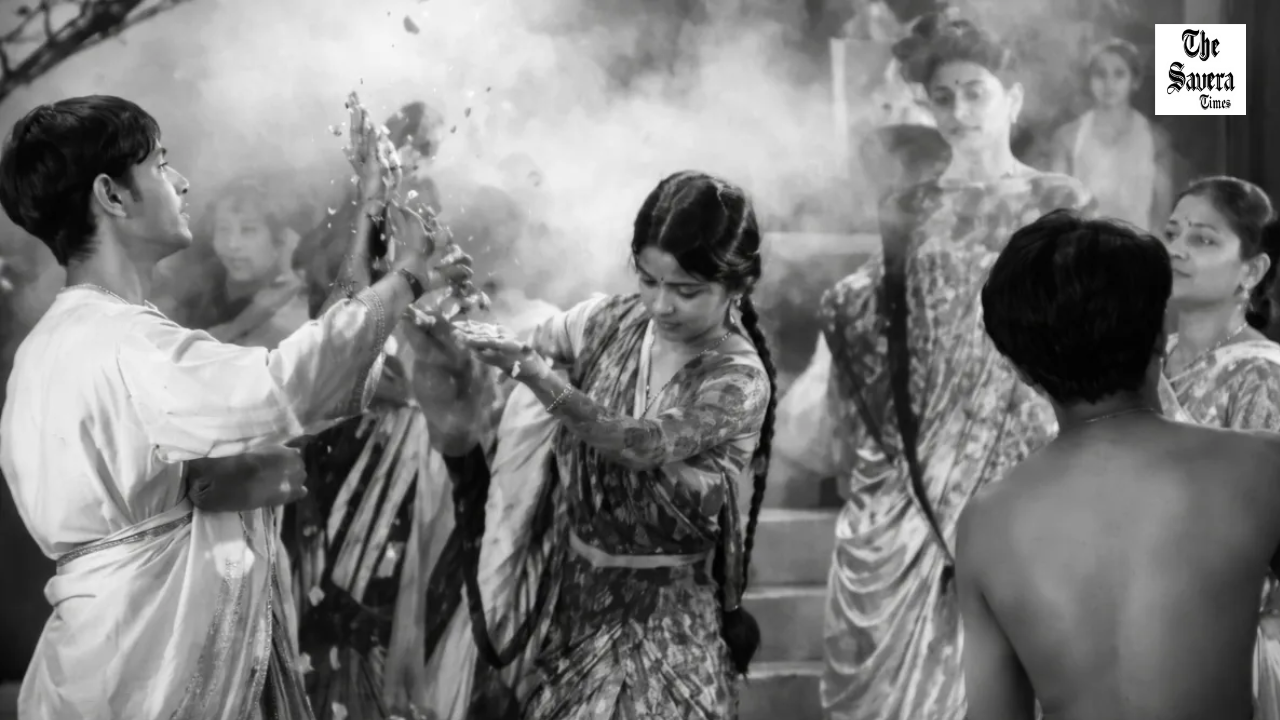
Mumbai, March 3, 2026: As India prepares to celebrate Holi the festival of colours, Bollywood fans often reminisce about unforgettable Holi songs and on-screen celebrations. But the tradition of featuring Holi songs on the Hindi film screen stretches back far beyond modern classics like “Rang Barse” and “Balam Pichkari.” The first Holi song in Indian cinema appeared in the early days of sound films nearly 85 years ago, marking the beginning of a colourful cinematic tradition.
The earliest known Holi song in a Hindi film was featured in Aurat a social drama released in 1940. Directed by Mehboob Khan, Aurat included the song “Aaj Holi Khelenge Saajan Ke Sang,” sung by Anil Biswas and picturized on actors such as Sardar Akhtar and Surendra.
This was a time when Indian cinema was still in its formative years, and Aurat’s Holi sequence was one of the first instances where the festival was woven into the narrative through music and celebration. The song captured the exuberance of the Holi festival with characters playing with colours, celebrating together, and expressing joy through song.
Interestingly, Aurat itself holds a special place in Indian film history: director Mehboob Khan later remade it as Mother India (1957) one of the most iconic films in Bollywood history, nominated for an Academy Award and remembered as a defining classic of Indian cinema.
After Aurat broke new ground, Bollywood continued to embrace Holi as a vibrant backdrop for songs and stories across decades:
1950s and 1960s: Holi sequences grew in number and musical richness, with songs such as “Holi Khele Nandalal Biraj Mein” and other festive numbers featured in films of that era.
1970s: Holi songs became deeply rooted in popular culture especially with tracks like “Holi Ke Din Dil Khil Jaate Hain” from Sholay (1975), which brought together celebration, colour, and narrative drama.
1980s: In Silsila (1981), “Rang Barse Bhige Chunar Wali” emerged as one of the most enduring Holi songs in Bollywood history, often played at celebrations across generations.
1990s to 2000s: Holi numbers expanded with films like Kati Patang and Baghban, which showcased the festival’s emotional and cultural significance.
2010s and beyond: Songs such as “Balam Pichkari” from Yeh Jawaani Hai Deewani (2013) brought youthful energy and modern choreography to the Holi song tradition.
Holi songs in Bollywood have transcended mere cinematic moments they are now integral to how audiences experience the festival itself. These tracks combine music, colour, cultural symbolism, romance, and joy, making them favourites not only in films but also in real-world celebrations across India and the world.
From early sound films to contemporary blockbusters, Holi sequences have served multiple storytelling purposes: showcasing relationships, marking emotional turning points, or simply celebrating life and togetherness. As a result, many of these songs have become cultural staples played at festivals, weddings, parties, and gatherings year after year.
The tradition that began with “Aaj Holi Khelenge Saajan Ke Sang” in Aurat has flourished into a beloved Bollywood genre in its own right. Even as songs and styles evolve with changing cinematic tastes, the essence of Holi expressed through rhythm, colour, and joy remains an enduring part of Indian film music.
Bollywood actor Imran Khan is now preparing to challenge in the Bombay High Court the notice issued by...

Stand-up comedians Harsh Gujral and Madhur Virli have been summoned by the Maharashtra Cyber Cell for allegedly making...

Bollywood actress Madhuri Dixit and her husband, Dr. Shriram Nene, have completed 27 years of marriage.

After his eviction from Bigg Boss 20, Nakul Dhull shared an Instagram story comparing his two-day journey with...

Mumbai Police has issued a 'Leave India' notice to Bollywood superstar Aamir Khan's nephew and actor Imran Khan....

Bollywood actress Yami Gautam visited the Ram Janmabhoomi Temple and Hanumangarhi in Ayodhya, Uttar Pradesh, for the first...
Aries: The day will be auspicious...