Last Updated: October 15, 2026
Last Updated: October 15, 2026





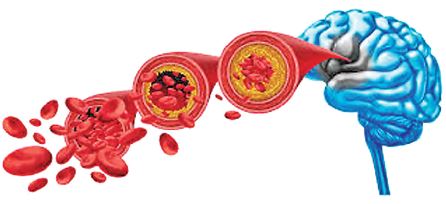
Vascular dementia, a form of cognitive impairment caused by disease in the brain’s small blood vessels, remains an underexplored area compared with Alzheimer’s disease, according to researchers. While Alzheimer’s has been extensively studied for its hallmark plaques and protein tangles in neural tissue, vascular dementia has received comparatively less attention, leaving significant gaps in understanding its causes and treatment.
A research team at the University of New Mexico has developed a new model to better characterise and categorise the different forms of vascular dementia. The aim is to clarify the mechanisms behind the disease and pave the way for more effective therapies.
Conditions such as hypertension, atherosclerosis, and diabetes have long been linked to vascular dementia. However, other contributing factors, including the recently observed presence of nano- and microplastics in human brains, are not yet fully understood, said Elaine Bearer, Professor at the University of New Mexico.
“We have been flying blind. The various vascular pathologies have not been comprehensively defined, so we haven’t known what we were treating. And we didn’t know that nano- and microplastics were in the picture, because we couldn’t see them,” Bearer explained.
Published in the *American Journal of Pathology*, the study identifies ten distinct disease processes that contribute to vascular-based brain injury. These processes generally involve oxygen or nutrient deficiency, leakage of blood serum, inflammation, or impaired waste elimination, leading to tiny strokes that progressively damage neurons.
Bearer highlighted the use of both new and established experimental techniques, including special stains and advanced microscopy, to detect these vascular pathologies.
A growing concern is the potential health impact of nano- and microplastics in the brain. Bearer described nanoplastics as “a new player on the field of brain pathology,” noting that their presence requires a reconsideration of current understanding of Alzheimer’s and other dementias.
Preliminary observations indicate that brains of individuals with dementia contain higher quantities of plastics compared with those of unaffected individuals. These levels appear to correlate with the severity and type of dementia and are also associated with elevated markers of inflammation.
“All our current thinking about Alzheimer’s disease and other dementias needs to be revised in light of this discovery,” Bearer said, underlining the importance of further research into how vascular damage and environmental factors, including plastic exposure, interact to influence cognitive decline.
The study underscores the urgent need to broaden the scope of dementia research to include vascular pathologies and emerging environmental contributors, offering potential avenues for early detection and targeted intervention.
Singapore: Two Singapore-registered container vessels were reportedly struck by unknown projectiles while transiting the Strait of Hormuz on...

Shimla: The Himachal Pradesh government has constituted a four-member commission to examine the reorganisation of administrative units in...

New Delhi: The Supreme Court on Wednesday listed for November 17 the appeal filed by self-styled godman Asaram...

Ranchi: Doctors in Jharkhand launched a protest on Wednesday over a slew of demands concerning their safety and...

Greater Noida: Police and Anti-Narcotics Team in Uttar Pradesh’s Greater Noida have seized ‘ganja’ worth Rs 1 crore...

New Delhi: The Enforcement Directorate (ED) has attached assets worth Rs 2,032.81 crore belonging to Reliance Power Ltd...