Last Updated: September 25, 2026
Last Updated: September 25, 2026





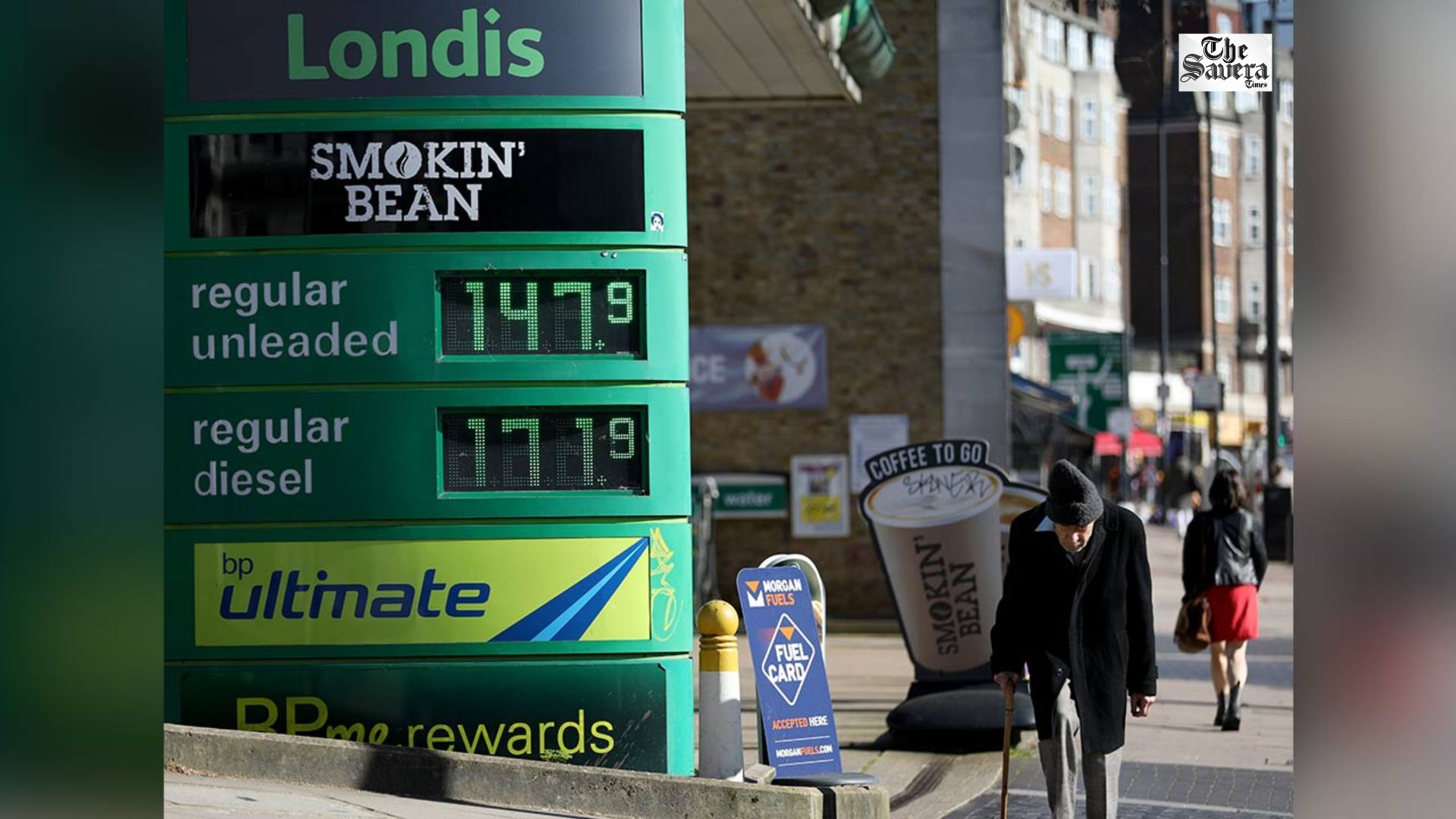
New Delhi: Oil prices declined on Friday after reports that the United States and Iran were exploring a phased agreement that could reopen the Strait of Hormuz, easing concerns over supply disruptions linked to the ongoing conflict.
Brent crude slipped towards $105.6 a barrel after rising more than 7 per cent over the previous two sessions. West Texas Intermediate (WTI) traded below $94 a barrel as markets responded to hopes of restored oil flows from the Middle East.
Reports said discussions between the US and Iran were taking place on the sidelines of the United Nations General Assembly.
Physical Oil Markets Show Supply Tightness
Physical oil markets continued to show acute tightness, with record premiums being paid for prompt barrels at Cushing, Oklahoma, the main US storage hub, according to multiple reports.
Dated Brent has also been trading at a wide premium to futures in Europe, highlighting the shortage of near-term supply.
Despite Friday’s decline, Brent crude remains more than 70 per cent higher so far this year, adding to inflationary pressures globally.
Trump Open To Iran Talks
The White House said US President Donald Trump remained open to discussions with Iran, while stressing that the US would not negotiate from a position of weakness.
Oil markets have remained highly volatile as the US-Iran conflict approaches its seventh month. Changing expectations surrounding the war, along with speculation that Washington could restrict diesel exports, have added to price fluctuations.
Iran has maintained that it has sovereign control over the Strait of Hormuz, while the US has said the waterway’s status should return to normalcy before the conflict and has imposed a blockade on Iranian ports.
Saudi Arabia Faces Further Regional Tensions
Regional tensions also remained elevated. Saudi Arabia on Thursday intercepted missiles headed towards Yanbu and Taif, while Iran-backed Houthi militants launched further strikes against the kingdom.
Around six ballistic missiles were reportedly intercepted, with Saudi Arabia warning that any further escalation by Iran-backed militants in Yemen would be dealt with firmly.
Meanwhile, French President Emmanuel Macron said France would deploy troops to help secure a Saudi energy facility.
The developments have kept global oil markets highly sensitive to diplomatic signals and any potential disruption to energy supplies through the Middle East.
Sensex and Nifty opened with marginal gains on September 25 amid mixed global cues, rising US Treasury yields...
Rao R. Tummala India stands at a pivotal moment in its semiconductor journey. While the nation has achieved...

Public sector banks and Regional Rural Banks will remain open on Sunday, September 27, ahead of the proposed...

ISMA says the government and sugar industry are working to maintain affordable sugar prices and adequate supplies during...

The Indian equity markets posted notable losses early on Thursday amid renewed pressure from global bond yields, which...
Indian benchmark indices opened in positive territory on Wednesday with Sensex surging over 200 points and Nifty hovering...

Aries: The day will be auspicious...