Last Updated: October 11, 2026
Last Updated: October 11, 2026





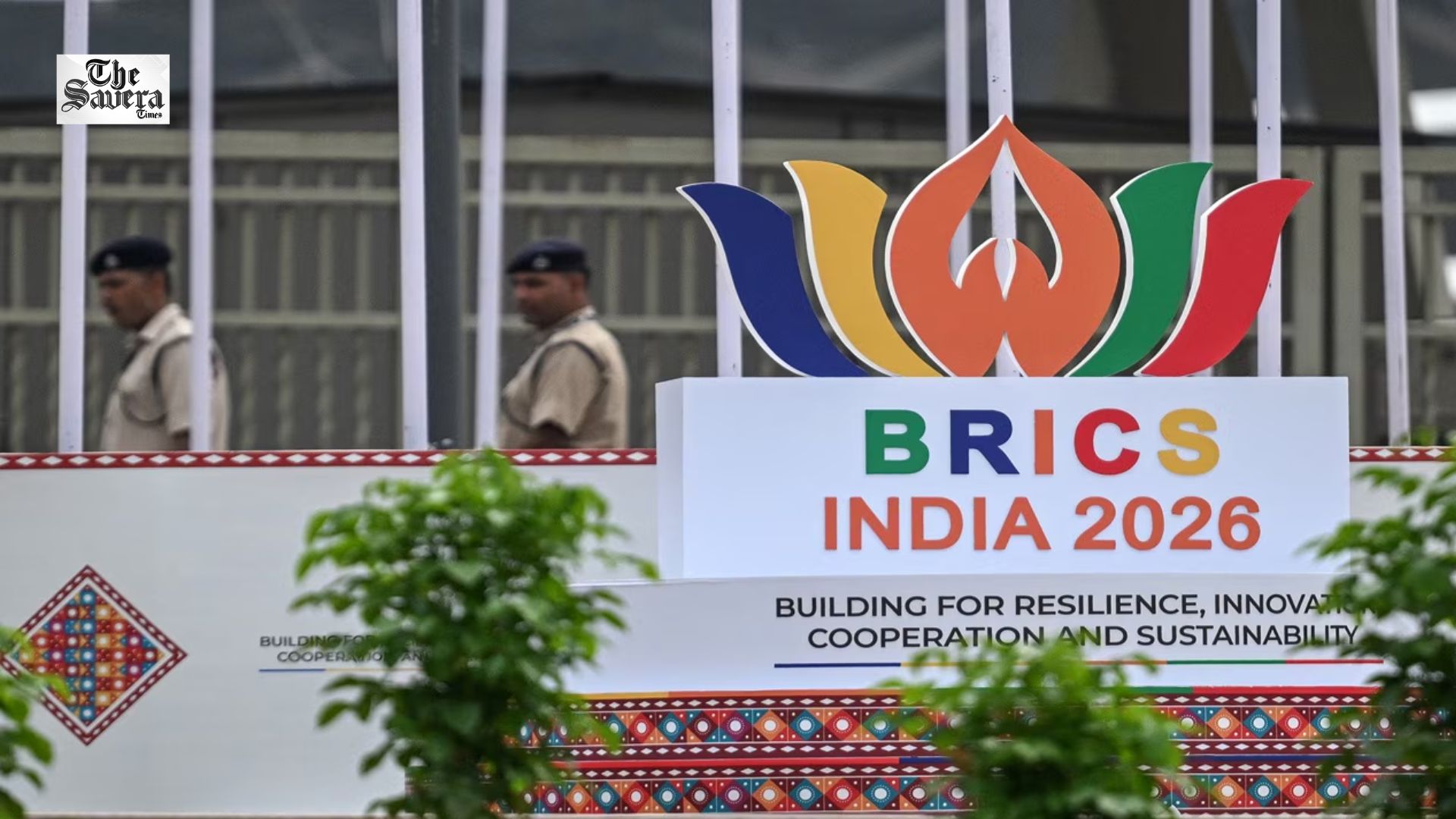
Mumbai: BRICS Finance Ministers and Central Bank Governors have pushed for faster and cheaper cross-border payments within the bloc, including greater use of local currencies for trade and investment, while raising concerns over higher tariffs and non-tariff barriers affecting global trade.
The discussions formed part of the agenda at the final meeting of the BRICS Finance Ministers and Central Bank Governors in Mumbai ahead of the BRICS leaders’ summit in New Delhi on September 12-13.
In a joint statement issued after the meeting, the group said the BRICS Payment Task Force is examining practical solutions for cross-border payments, including interoperability between payment and messaging systems.
The objective is to make transactions faster, lower-cost, more accessible, efficient, transparent and secure.
BRICS Pushes Local Currencies and Faster Cross-Border Payments
The BRICS Payment Task Force studied the cross-border interoperability of payment and messaging channels and discussed trade settlements and investments using local currencies.
The group said the discussions would respect national priorities and acknowledged that there was no one-size-fits-all approach.
The statement encouraged the task force to continue discussions on practical cross-border payment solutions that are fast, low-cost, accessible, efficient, transparent and safe.
The issue is also gaining momentum ahead of the BRICS leaders’ summit in New Delhi on September 12-13. India is separately pushing for greater interoperability between central bank digital currencies, although technical and political hurdles remain.
BRICS Finance Ministers Flag Tariff Risks to Global Trade
The BRICS Finance Ministers and Central Bank Governors also warned that the global economic outlook remains exposed to geopolitical tensions, trade fragmentation, protectionism, policy uncertainty, inflationary pressures, fiscal risks and rising debt.
The group specifically criticised the unilateral use of tariffs and non-tariff measures, saying these distort trade and place a disproportionate burden on emerging and developing economies.
It reiterated support for a rules-based global trading system with the World Trade Organisation at its core.
IMF, World Bank Reforms Also on BRICS Agenda
The statement highlighted the need for reforms to global financial institutions, including the IMF and World Bank, to give emerging and developing economies greater representation.
On the IMF, the statement urged the entry into effect of quota increases agreed under the 16th General Review of Quotas and called for work on meaningful quota realignment under the 17th review.
On the World Bank, it said the 2025 shareholding review was a key tool to strengthen the institution’s legitimacy and correct the historical underrepresentation of developing countries.
BRICS Backs Larger Role for New Development Bank
The statement also backed a larger role for the New Development Bank, including local-currency financing, project-preparation facilities, diversified funding sources and support for development projects in BRICS and Global South economies.
India’s proposal to host a BRICS Risk Lab at GIFT City International Financial Services Centre in Gujarat also found mention in the statement.
The proposal is linked to discussions on a BRICS Insurance Resilience Centre, a voluntary platform for risk models, best practices and specialist capabilities.
The outcomes of the Finance Ministers and Central Bank Governors’ meeting come ahead of the 18th BRICS Summit, which India will host in New Delhi on September 12-13 as BRICS chair in 2026.
Foreign investors sold shares worth Rs 30,294 crore during the week ending October 9, 2026, while domestic institutional...

Shiv Sena (UBT), through its mouthpiece Saamana, attacked the Centre over the CEC controversy and alleged unequal treatment...
Congress leader Pargat Singh has included himself among the contenders for Punjab Chief Minister, saying the state unit...

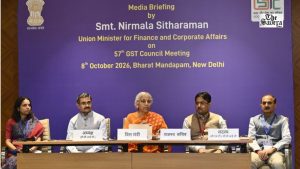
The 57th GST Council has recommended changes to GST registration, refunds, input tax credit and dispute resolution. The...
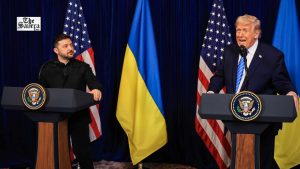
Ukrainian President Volodymyr Zelensky has criticised Donald Trump’s reported agreement to allow Russian diesel supplies to global markets,...
A 7.2-magnitude earthquake struck Panama on Friday, shaking buildings in Panama City and prompting tsunami alerts. Panama Canal...

Aries: The day will be auspicious...