Last Updated: October 12, 2026
Last Updated: October 12, 2026





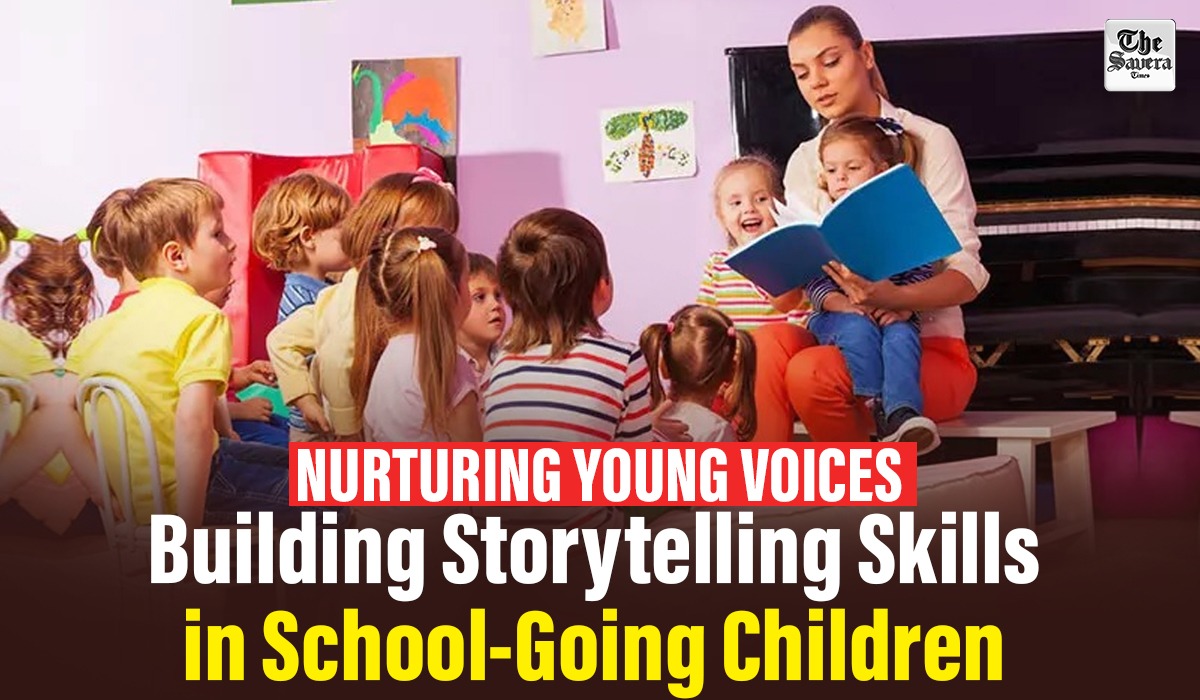
Storytelling is one of the most powerful tools for child development. Storytelling enhances language skills, increases imagination power, develops emotional intelligence, and increases confidence in communication. With increasing screen time in today’s fast-paced world, it is more important than before to inculcate storytelling skills in school-going children.
Through this article, you can understand the need for storytelling in children and learn effective ways to make them confident storytellers at young age.

Importance of Storytelling Skills in Children
As children listen to stories, they subtly learn new vocabulary, sentences, and phrases. In the net effect, this boosts reading, writing, and speaking capabilities.
Storytelling encourages children to think not just about facts but also to picture characters, settings, and situations. Such creative thinking is very beneficial when it comes to problem-solving.
Narratives in front of an audience support children in overcoming stage fright and articulating their ideas effectively. Effective communication is an important skill for children to possess in life.
Stories assist children in understanding emotions, empathy, and other people’s perspectives. Through character and conflict design, children gain insights into how emotions can affect people’s behavior.
Skilled storytellers are good listeners, too. Listening to a story inculcates these qualities in children: focus, patience, and understanding other people’s perspectives.
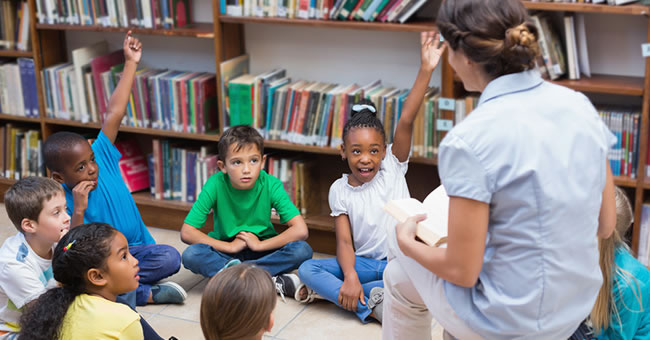
Primary School (5-8 years)
At this level, children can be engaged with simple stories with identifiable characters and events. Use of aids, repeating, and imagination is important.
Middle School (Age 9-12
The children start understanding concepts such as structure, which comprises beginning, middle, and end. They are also able to construct an extended story with simple plots and moral messages.
Secondary School (Age 13)
Older students can deal with complicated storytelling, characterization, themes, and emotions. They can try different genres with different views.
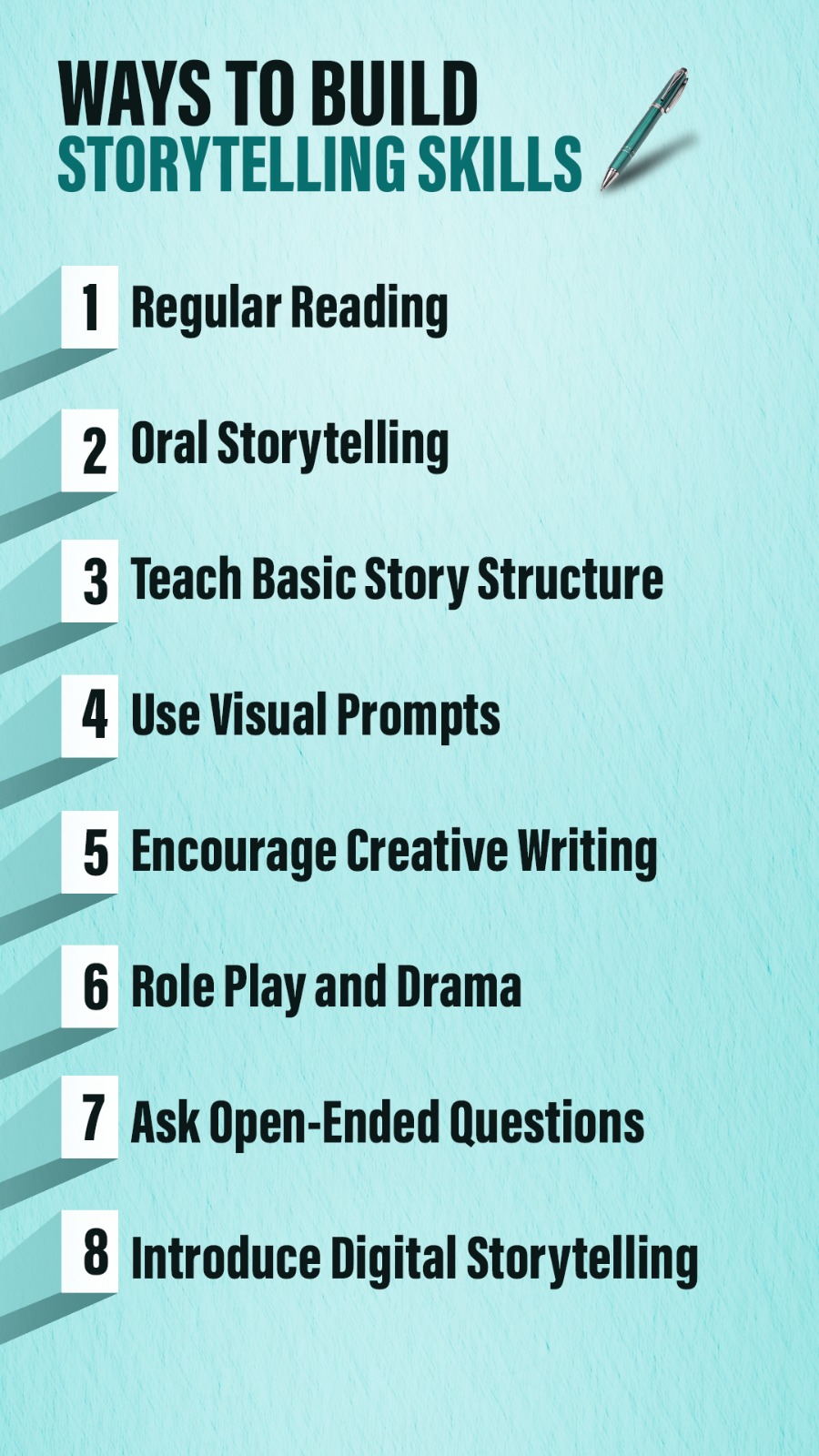
Reading is called the basis of storytelling. Being acquainted with books, folktales, short stories, and biographies can teach narrative dynamics and style in storytelling to children.
Tips
Prior to writing, children need to be able to share their story verbally. They must have experience with storytelling.
Activities:
Lesson function
Explain these basic elements of a story to children:
Story maps can be presented in simple charts, making this simpler to understand.
“Pictures have a stimulating effect on imagination, especially on children.”
Ideas:
With their speaking skill levels in place, children can now be encouraged to put their stories into writing.
Writing exercises:
Ideas come before grammar to maintain a spark of creativity.
Story acting makes storytelling an engaging activity. Through role-playing, children are able to show emotions in order to grasp characters well.
Examples:
A question encourages children to think more deeply and develop their narrative.
Examples:
“What happened next?”
Applying technology creatively can improve narrative abilities.
Tools:
Adult participation can be important in achieving balance.

The Importance of Parents in Improving Storytelling Skills
Parents can play a very important role in encouraging a storytelling culture, starting from their homes. An encouraging atmosphere brings confidence to children to voice their views.
Role of Teachers and Schools in Building Storytelling Skills
Schools can incorporate storytelling into the learning process. They promote participation and learning results.
“Fear of Making Mistakes”
Let children know that there is no such thing as a “wrong” story. Creativity is far more important than accuracy.
Limited Vocabulary
Complimenting regular reading, talking, and learning new vocabulary will resolve this problem.
A Lack of Interest
Make storytelling fun by using games, pictures, and hands-on activities rather than a forced approach.
Conclusion
Storytelling is not only an art concerning language proficiency but a potent tool for personal expression, imagination, and self-enrichment. As a tool for personal empowerment, parents and educators can assist children in becoming adept at storytelling when they go to school by developing a culture of reading, talking, and creative articulation in children.
Storytelling not only leads to better educational performance but also readies children for becoming effective leaders in life. Spending time on storytelling in the present will benefit children in constructing tomorrow’s meaningful stories.
Punjab is organising a Mega Parent-Teacher Meeting across 19,200 government schools in 23 districts on October 9. Parents...

The foundation of Punjab’s Aam Aadmi Party government is renowned for two models. One is the medical model,...

Los Angeles Unified has blocked generative AI tools on student laptops and tablets, adding to growing restrictions on...

New Delhi: The NEET PG 2026 examination commenced across the country on Sunday, with more than 2.73 lakh...

Punjab Education Minister Harjot Singh Bains on Tuesday presented the progress report card of the education sector during...

New Delhi: The Union Cabinet on Friday approved amendments to the Public Examinations (Prevention of Unfair Means) Act,...

Aries: The day will be auspicious...