Last Updated: October 21, 2026
Last Updated: October 21, 2026





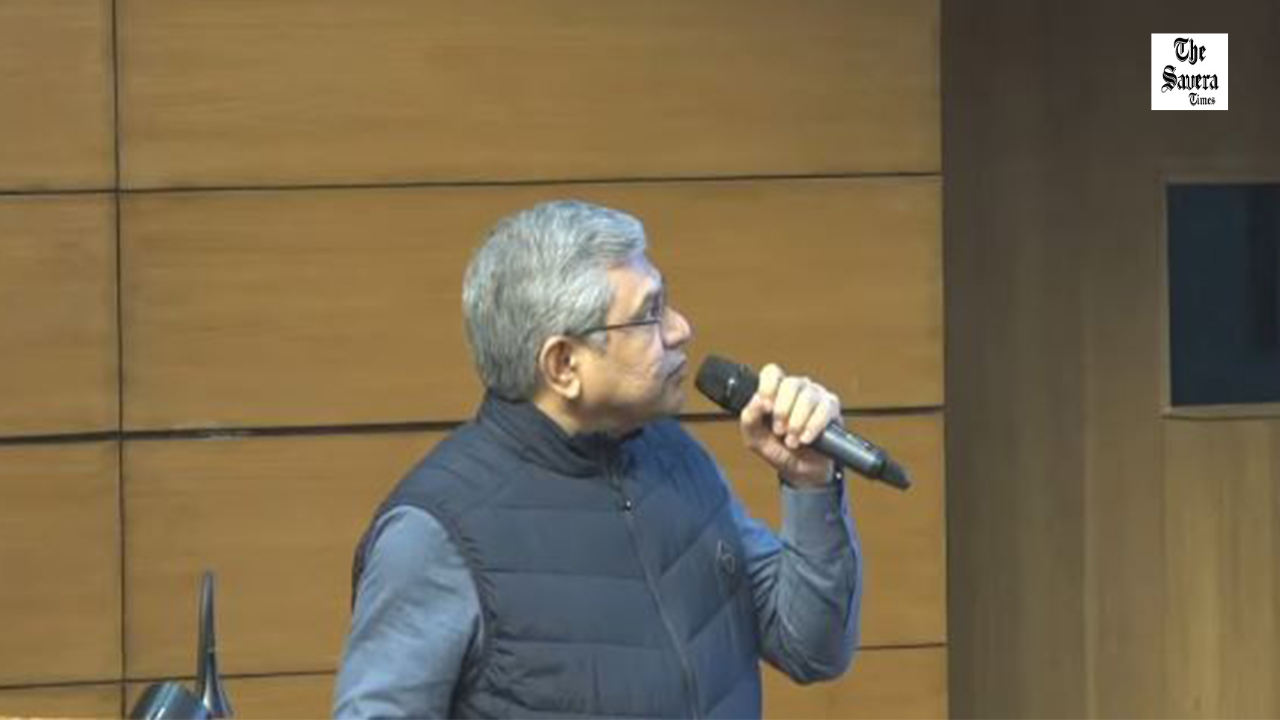
The Union Cabinet has approved a ₹11,718 crore budget for Census 2027, setting in motion India’s next nationwide demographic exercise. This will be the 16th Census of India and the first to be conducted fully in digital mode, marking a major shift from traditional paper-based enumeration. The decision was taken during a Cabinet meeting chaired by Prime Minister Narendra Modi.
#WATCH | Delhi | On Union Cabinet decisions, Union Minister Ashwini Vaishnaw says,” The Cabinet has approved a budget of Rs 11,718 crores for Census 2027.” pic.twitter.com/wnpvvkzkej
— ANI (@ANI) December 12, 2025
The Census will be carried out in two major phases.
The first phase, House Listing and Housing Census, will take place between April and September 2026. This phase will record details related to housing conditions, household amenities, assets, and other basic infrastructure parameters. The second phase, Population Enumeration, is scheduled for February 2027 across most parts of the country. In snow-bound, remote, and hard-to-reach areas, the enumeration will begin earlier, likely around September 2026, to avoid weather-related disruptions.
Census 2027 will be India’s first fully digital census, using mobile applications for data collection. Enumerators will carry smartphones or tablets to record information electronically instead of using paper schedules. A centralized Census Management & Monitoring System will help track field operations, ensure data accuracy, and provide real-time updates to authorities. The government is also preparing to offer a self-enumeration option, allowing citizens to fill their details online via a secure portal or app. Despite the digital push, traditional paper forms will remain available in areas with low internet or device access.
With digital systems at the core of this census, the government has emphasized strong data protection measures. The digital framework will include encrypted data transmission, secure enumerator logins, controlled access to sensitive information, and robust storage solutions to prevent data breaches. Officials say the digital approach will not only safeguard data but also speed up compilation and release of Census results, which traditionally take years to process.
The census exercise will engage nearly 30 lakh field workers, including teachers and state government staff who will serve as enumerators and supervisors. As one of the world’s largest administrative operations, Census 2027 will generate critical data for government planning, welfare schemes, infrastructure development, resource distribution, and understanding demographic and socio-economic shifts across the country.
Census 2027 carries additional weight because India has not conducted a census since 2011. The 2021 census was postponed due to the COVID-19 pandemic and logistical constraints, leaving governments and policymakers dependent on population projections. The fresh census will restore demographic clarity, offering updated data required for designing welfare programmes, urban planning, health strategies, education policies, and reservation frameworks.
By approving the ₹11,718 crore budget, the Union Cabinet has set the stage for a modern, technology-driven census system. The digital transformation is expected to improve efficiency, reduce paperwork, enable real-time monitoring, and produce faster, more reliable results. Officials believe the new approach will strengthen India’s future planning and governance frameworks.
A fire in a hut in Nonapar village of Deoria district claimed three lives, including those of a...

Amit Shah paid tribute to police personnel who died in the line of duty at the National Police...

Reduced water levels at Har Ki Pauri and other Haridwar ghats have inconvenienced pilgrims during the Upper Ganga...

Six people returning from a Dussehra Mela were seriously injured when a car hit them on National Highway...

A bus travelling from Pachiound to Ramnagar fell into a gorge at Gulli Gula in Udhampur district. Nine...

Start your day with The Savera Morning Brief, bringing you the latest news from India and around the...


Aries: The day will be auspicious...