Last Updated: October 24, 2026
Last Updated: October 24, 2026





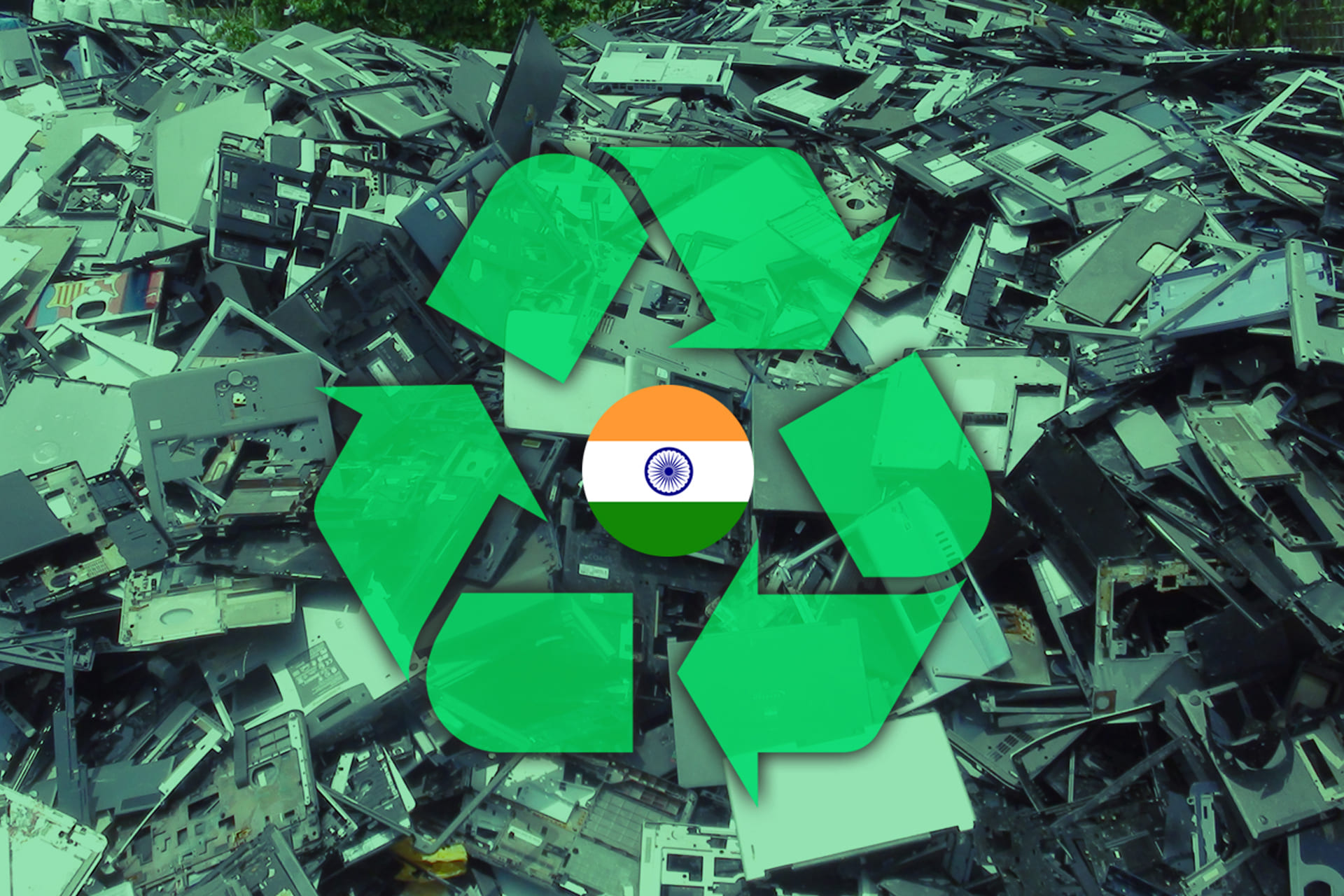
As global discussions on waste management increasingly shift from recycling to reducing production itself, India’s expanding investment in the petrochemical sector is drawing attention to questions surrounding climate resilience, resource security and plastic pollution.
These themes dominated the “Road to Antalya: Zero Waste as Climate Action” forum held in Türkiye, where delegates from around 183 countries discussed the evolving concept of zero waste. The consensus emerging from the conference was that zero waste should no longer be viewed solely as a waste management strategy but also as a climate action, resource efficiency and sustainable production strategy.
In his opening remarks, Samed Ağırbaş, President of the Zero Waste Forum and Climate High-Level Champion for the 31st Conference of the Parties (COP31) to the United Nations Framework Convention on Climate Change (UNFCCC), emphasised that zero waste is fundamentally about managing patterns of production and consumption rather than focusing only on recycling and waste disposal.
The statement reflects a significant shift in global thinking. Traditionally, waste management has centred on collection, disposal and recycling. However, policymakers, international organisations and civil society groups are now placing greater emphasis on reducing waste generation at its source by transforming production systems and consumption patterns.
This evolving approach has important implications for India.
For years, discussions around waste management in India have largely focused on improving waste segregation, increasing recycling rates and strengthening disposal infrastructure. While these measures remain important, experts at the Antalya forum argued that they alone cannot address the interconnected challenges of climate change, resource depletion and plastic pollution.
One of the strongest interventions came from Neil Khor of UN-Habitat, who remarked that “landfill and incineration are not zero waste.” His observation reflects a growing international consensus that effective waste management requires moving beyond end-of-life disposal towards preventing waste generation altogether.
The forum repeatedly highlighted that zero waste is increasingly being linked with environmental justice, community participation and the principles of a circular economy. Rather than managing waste after it is produced, the emphasis is now on reducing unnecessary production, encouraging reuse and extending product lifecycles.
These ideas were particularly prominent during discussions on the proposed Global Plastics Treaty, where participants argued that addressing plastic pollution requires reforms in product design, restrictions on toxic additives, stronger reuse systems and greater producer responsibility. While recycling remains essential, experts noted that it cannot keep pace with continually increasing plastic production.
Participants also challenged the long-standing assumption that economic growth must inevitably be accompanied by rising material consumption. Instead, they argued that reducing unnecessary production and promoting reuse are essential elements of a credible zero-waste strategy.
For India, these global debates coincide with a period of significant expansion in the petrochemical industry.
The country is investing heavily in refinery-petrochemical complexes, industrial corridors and manufacturing infrastructure aimed at boosting domestic plastic production and supporting economic growth. At the same time, India’s Solid Waste Management Rules, 2026 continue to focus primarily on waste collection, recycling and end-of-life management rather than addressing the upstream causes of waste generation.
According to the article, this creates a growing policy contradiction. Large-scale investments in petrochemical infrastructure can lock economies into long-term dependence on resource-intensive production models, making future transitions towards lower material consumption more difficult.
The article also points to concerns about resource security. India remains heavily dependent on imported fossil fuels and petrochemical feedstocks, making domestic industries vulnerable to disruptions in global supply chains and geopolitical instability, particularly in West Asia.
In this context, proponents of zero waste argue that reducing dependence on virgin raw materials through reuse, repair, composting and recycling can strengthen resource resilience while lowering environmental impacts.
Another key theme discussed at the Antalya forum was the need for better measurement of zero-waste performance. Participants recommended that governments assess not only recycling rates and waste generation but also material recovery, reductions in greenhouse gas emissions and broader social and environmental outcomes.
The discussions underscore an emerging global shift in waste policy—from managing waste after it is created to fundamentally rethinking how products are designed, manufactured and consumed. For countries like India, balancing industrial growth with environmental sustainability is likely to remain a central policy challenge in the years ahead.
Get the key updates from India and around the world with The Savera Times Evening Wrap, bringing together...

Scotland First Minister John Swinney visited Sabarmati Ashram in Ahmedabad and met Gujarat officials and teachers to explore...

Valsad police seized 2,535.1 kg of cannabis-laced tablets worth Rs 12.67 crore during raids in Vapi and Dadra....
The BJP criticised National Conference president Farooq Abdullah over his comments that Pakistan’s efforts to raise the Kashmir...

Iran's parliamentary delegation will attend the BRICS Parliamentary Forum in New Delhi on October 26–27 after Speaker Mohammad...

The JDU has expelled Mokama MLA Anant Singh for six years after he backed a Jan Suraaj candidate...

Aries: The day will be auspicious...