Last Updated: October 18, 2026
Last Updated: October 18, 2026





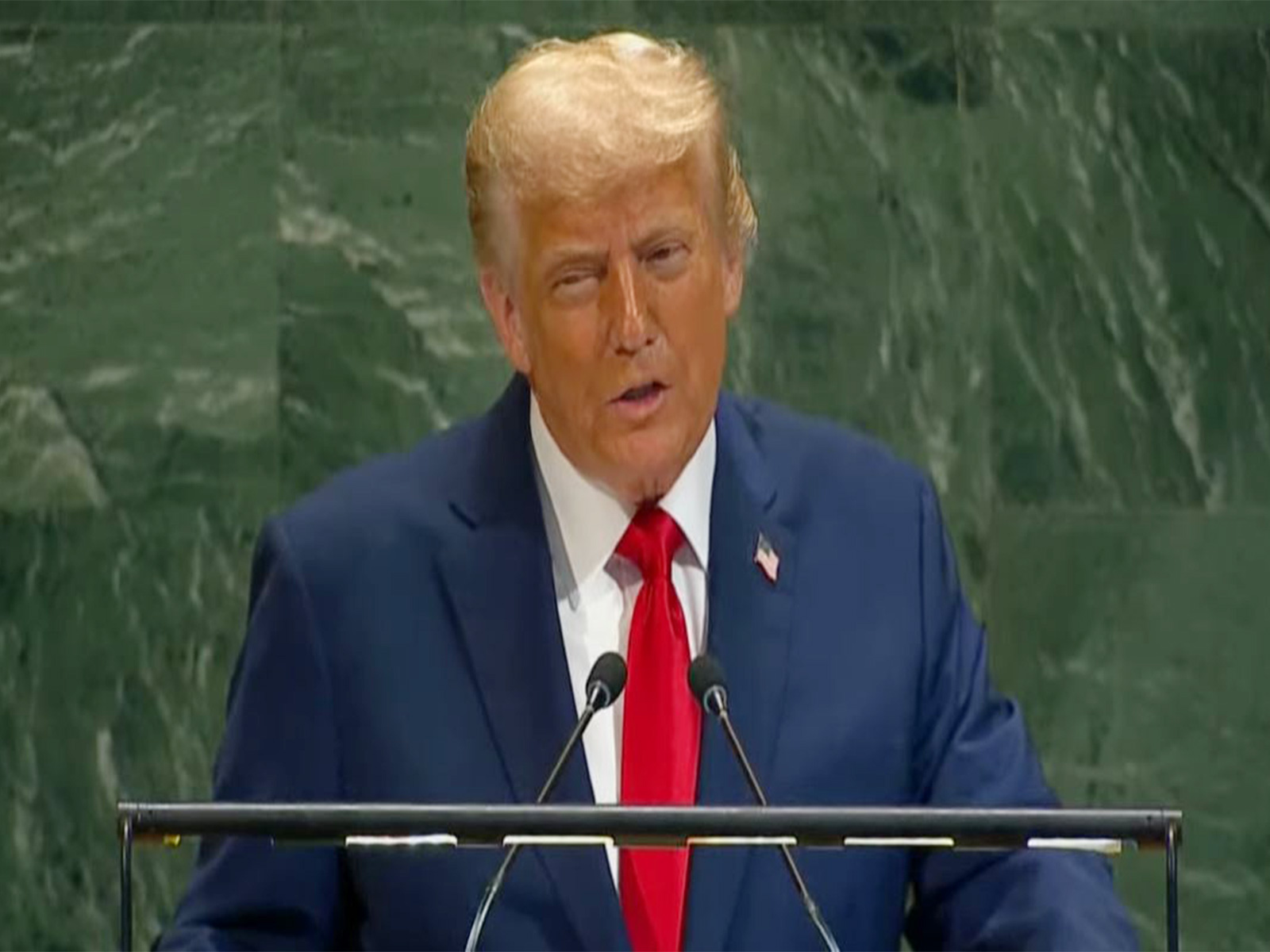
Washington is heading into a tense week as President Donald Trump prepares to meet the top four congressional leaders at the White House on Monday in a last-ditch attempt to avert a government shutdown. Federal funding is set to expire at 12:01 a.m. on Wednesday, leaving lawmakers less than 48 hours to strike a deal before large parts of the federal government grind to a halt.
The meeting will bring together House and Senate Democratic leaders Hakeem Jeffries and Chuck Schumer, both from New York, alongside their Republican counterparts, House Speaker Mike Johnson of Louisiana and Senate Majority Leader John Thune of South Dakota. The gathering is being closely watched as a test of whether the two parties can find common ground after weeks of public sparring and partisan positioning.
A Political Standoff
At the heart of the standoff is a struggle over priorities. Republicans, who currently control both the White House and Congress, are seeking to assert their authority by pushing through a spending plan largely on their terms. Democrats, however, are determined to secure influence over key policy issues, particularly health care. They want to ensure that any new agreement extends important Obamacare subsidies, which they argue are essential for millions of Americans.
Six months ago, Democrats agreed to a GOP-drafted funding bill in order to keep the government running. This time, though, they insist they will not simply rubber-stamp another plan without meaningful input. For their part, Republicans argue that Democrats are using the looming shutdown as leverage to extract concessions, accusing them of placing political interests above the functioning of government.
Although Republicans hold both the House and Senate, their majority in the upper chamber is narrow. With only 53 seats, they fall short of the 60 votes needed to advance most legislation, giving Democrats crucial leverage in the Senate and ensuring that bipartisan cooperation is required to avoid a shutdown.
Public Positions
On Sunday, the public rhetoric from both parties underscored the deep divisions. Appearing on NBC’s “Meet the Press,” Senate Majority Leader Chuck Schumer emphasized the need for constructive dialogue. “We need the meeting,” Schumer said. “It’s a first step, but only a first step. We need a serious negotiation. Now, if the president at this meeting is going to rant and just yell at Democrats… we won’t get anything done.”
Republicans responded sharply. Senate Majority Leader John Thune insisted that his party would not be drawn into discussions over a short-term funding extension. Instead, he said, the GOP was open to compromises in the context of a longer-term spending deal. “What the Democrats have done here is take the federal government as a hostage — and by extension, the American people — to try and get a whole laundry list of things they want,” Thune said.
The president himself has offered little clarity on his approach. In recent days, Trump has alternated between calling for toughness against Democrats and signaling openness to a deal. Monday’s meeting may reveal whether he intends to use confrontation or compromise as his primary strategy.
What a Shutdown Would Mean
The stakes of failure are high. If an agreement is not reached by the deadline, a partial government shutdown will begin, disrupting services across the country and putting immediate strain on millions of Americans.
Federal workers would be among the first to feel the impact. Millions of employees, including military personnel, would face a halt in pay. Essential workers such as those in law enforcement and air traffic control would still be required to report for duty, but they too would not receive pay until the shutdown ends. Others, deemed non-essential, would be furloughed and barred from working until funding is restored.
The White House has explored measures to keep military pay flowing during a shutdown, but those efforts have not succeeded so far. Officials have stressed that all federal employees will eventually receive back pay, but the uncertainty and temporary loss of income could still place enormous strain on households living paycheck to paycheck.
Beyond the direct impact on federal workers, the ripple effects of a shutdown could quickly spread. Government services ranging from passport processing to certain food safety inspections would be suspended. National parks and museums could close or operate with limited staff. Federal contractors, who do not receive back pay, would face particular hardships, with small businesses depending on government contracts likely to be hit hardest.
Financial markets are also watching closely. While short shutdowns often have limited economic impact, prolonged standoffs can erode consumer and investor confidence. Analysts warn that with global economic conditions already fragile, even a brief disruption could carry outsized consequences.
A Narrow Window for Action
Lawmakers return to Washington under intense pressure. The Senate is scheduled to reconvene on Monday evening, but as of now, there is no clear legislative plan to avert the deadline. The House remains out of session, adding another complication to the already tight timeline.
Negotiators on both sides acknowledge the urgency but continue to trade blame. Democrats argue that Republicans are unwilling to engage in genuine compromise, while Republicans accuse Democrats of exploiting the crisis to push unrelated policy goals. The meeting at the White House will be the first time in weeks that all four congressional leaders sit down with the president, underscoring just how late the high-level talks are beginning.
As the deadline nears, there is little room for missteps. A government shutdown may last only days or weeks, but the political and economic costs could be lasting. Monday’s meeting is expected to set the tone for whether a deal can be reached or whether the nation is heading toward another bruising showdown that leaves federal workers and the public caught in the middle.
For now, Washington holds its breath, waiting to see whether compromise or confrontation will carry the day.
Azad M. Madni, an Indian-American engineer and USC professor who grew up in Mumbai, has won the 2026...

Nairobi: Kenya’s Ministry of Health on Saturday confirmed four new cases of Ebola Bundibugyo virus disease, bringing the...

Increasing Houthi attacks on Saudi Arabia are testing Pakistan’s ability to defend Riyadh without affecting its ties with...

Nepal is seeking substantial financial assistance from India ahead of Prime Minister Balendra Shah’s proposed visit to New...

The race to succeed Antonio Guterres remains uncertain after three leading candidates faced opposition from two permanent members...

Democratic lawmakers have criticised Donald Trump for waiving key sanctions and tariff provisions under the Graham Act, citing...

Aries: The day will be auspicious...